
Scleroderma Toolkit | TRACC-R

The Scleroderma Journey
Discover helpful tools that can help you navigate the scleroderma journey with confidence.
Dr. Dinesh Khanna, MD, MSc
Scleroderma Program Director
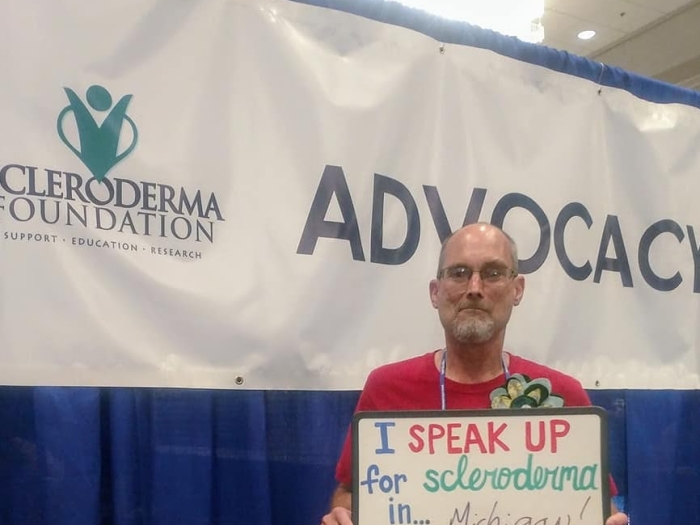
Adam Pape
Patient Partner and Peer Mentor
Camille Novacheck and Perry Bray
Patient Partners
Glen and Elizabeth Copeland
Patient Partner and Caregiver
Important - Please Read
- The purpose of this toolkit is to give you many tools to help you manage the condition.
- Do review the website at your own pace. You don't need to rush through it. Please take your time and revisit as needed.
- Some links will send you to outside websites and resources developed by trusted partners.
- The Scleroderma journey is unique for each person. Scleroderma is variable and can be challenging for doctors to diagnose.
- Scleroderma can make you feel isolated, but you don't have to face it alone. It's okay to seek help as you adjust to a new way of life. It's normal to require assistance during and after this transition. Support is available.
Explore Resources
Initial Diagnosis
Learn more about what you can do when you are first diagnosed, the most common symptoms of scleroderma, and other symptoms you may experience.
Tests you may experience
Once a diagnosis is received, there are multiple tests you may experience to learn more about your diagnosis. Remember, each individual with scleroderma is unique, so you may not undergo all these tests.
- ANA: Antinuclear Antibody Assay
- Skin Tests
- Pulmonary Function Test (PFT)
- Echocardiogram
- GI Testing

Management Plan
Your team of healthcare professionals will help you manage your scleroderma and find the best treatment options for your individual journey. Learn valuable tips on nutrition and exercise to improve your health and well-being.
Treatments
There may not be a cure, but treatments and medications are available to manage the diagnosis. It is essential to do your research and advocate for yourself.

Support
Having support is very important with a rare diagnosis. Please take a moment to read our collection of stories about individuals who have been affected by scleroderma. We hope that these stories will provide you with a sense of support and encouragement.
You don’t get to pick your disease, but you can pick your attitude.
Additional Information

Mental Health
How scleroderma may impact your mental health.

Care Partner Support
Learn more about how to be a great care partner.
Toolkit Resources
Discover the wide range of resources that are available to you.
I'm not my disease. I am still me. And you know, and the more I'm me, the less I am scleroderma.
FAQs
Scleroderma varies from person to person. The resources in this toolkit will assist with a better understanding of what is to come on your journey and make it a little less overwhelming.
Below is a template that you may use to help organize your thoughts about how scleroderma affects your life so you can more easily explain it to people around you.
Scleroderma is an autoimmune disease that can affect multiple organs but it is unique to each person.
Scleroderma affects my _______________________ (skin, face, eyes, hands, lungs, brain).
I sometimes have difficulty with ______________________ (task list).
I rarely or never have issues with _______________________.
Most importantly, I am not my scleroderma.
Scleroderma isn’t commonly passed down from parents to children. While genetics can play a role, it is rare for immediate family members of someone with scleroderma to develop the disease. Instead, they might be more likely to have other autoimmune conditions like lupus or rheumatoid arthritis.
Research is ongoing to understand better how genes and the environment may cause scleroderma. See the reference below:
https://rheumatology.ucsf.edu/patient-care/scleroderma-center/about-scleroderma
Scleroderma has uncertain causes, but some factors can increase the risk of developing it. While the exact reasons are not fully understood, here are some things to be aware of:2,3
- Gender: Scleroderma is more common in women, with up to 80% of diagnoses occurring in females.
- Age: Localized types usually appear before age 40, while systemic types are typically diagnosed between ages 30 and 50.
- Race: Localized scleroderma is more common in people of European descent, while Choctaw Native Americans and African Americans have a higher risk of the systemic form. Globally, scleroderma is most common in indigenous peoples in Canada.
- Environmental exposure: Certain environmental factors, like silica exposure, solvents, and specific medications, can increase the risk of developing scleroderma.
Research is ongoing to understand better how genes and the environment may cause scleroderma. See these references below:
Scleroderma diagnosis will change everything. Absolutely everything. We’ve been married 30 years, and every single thing changed in our lives. Your life is going to look different. It’s just like grief…what you strive for is to create the life that you have with scleroderma in there.
- Diane S - (partner of newly diagnosed individual with Scleroderma)
About Us
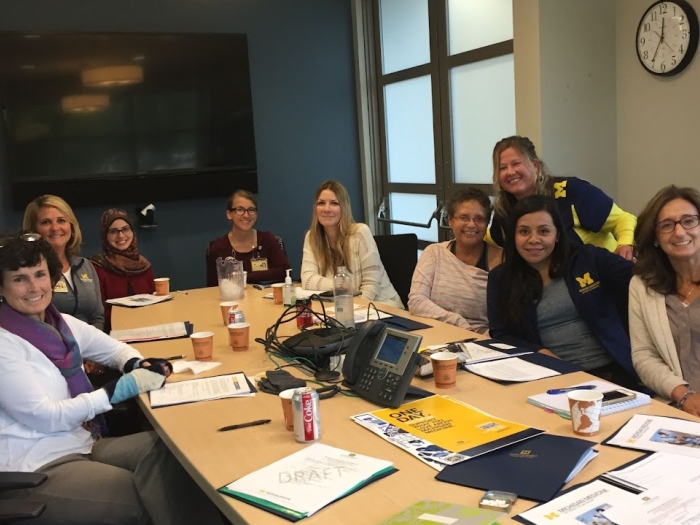
To address the need for meaningful and relevant content about scleroderma from trustworthy sources, our team developed the Scleroderma Toolkit with funding from the Rheumatology Research Foundation (Lawren H. Daltroy Preceptorship in Health Communication).
