
More articles about: Rogel Cancer Center

Health Lab
Receiving personalized treatment for a rare neuroendocrine tumor
Danielle Schuldt was diagnosed with a rare endocrine tumor and underwent surgery as part of her treatment. She now undergoes regular surveillance to monitor for cancer recurrence.

Health Lab
Phase 1 trial of alrizomadlin shows promise in targeting metastatic salivary gland cancers
University of Michigan researchers, in partnership with Ascentage Pharma, developed a drug known as alrizomadlin, or APG-115, to target metastatic salivary gland cancers.

Health Lab
New dual-target drug may help overcome immunotherapy resistance in pancreatic cancer
U-M researchers developed a new strategy to improve immunotherapy treatments for pancreatic cancer.

Department News
From Hesitation to Action: How Taylor Street Is Moving the Needle on Colorectal Cancer Screening
At Taylor Street Primary Care Clinic, improving colorectal cancer screening rates isn’t about checking a box, it’s about meeting patients where they are.
Department News
Breast Cancer Survivor to Advocate
Katrina Studvent shares her experience from breast cancer to patient to advocate.
Department News
Meet the leader of the Rogel Cancer Center's Community Outreach & Engagement Program
In early 2026, Rachel Bergmans, Ph.D., MPH, was named as administrative director of the COE team. We sat down to get to know her better and what her goals are in her new role.
Cancer Aware
CAR T-cell Therapy
Using one's cells to attack and treat cancer continues to grow. Cellular therapy and in particular CAR T-cell therapy offers new opportunities to adult and pediatric patients with blood cancers like leukemia and lymphoma. Dr. Monalisa Ghosh, Rogel Cancer Center oncologist talks about these treatments and and the future of cellular therapy.

Health Lab
Thriving after a rectal cancer diagnosis
Kyle Kipke was diagnosed with rectal cancer and received chemotherapy and radiation as treatment at Michigan Medicine.
Health Lab
Diagnosed with pancreatic cancer: Now what?
A pancreas cancer surgeon explains from Michigan Medicine how to find the best place for treatment, why that matters, and what to expect from the process.

Health Lab
Doctors perform first liver transplant in Michigan for colon cancer
Andrew Sweeney was diagnosed with stage 4 colorectal cancer at age 31 and underwent a liver transplant, chemotherapy and radiation treatment.
Health Lab
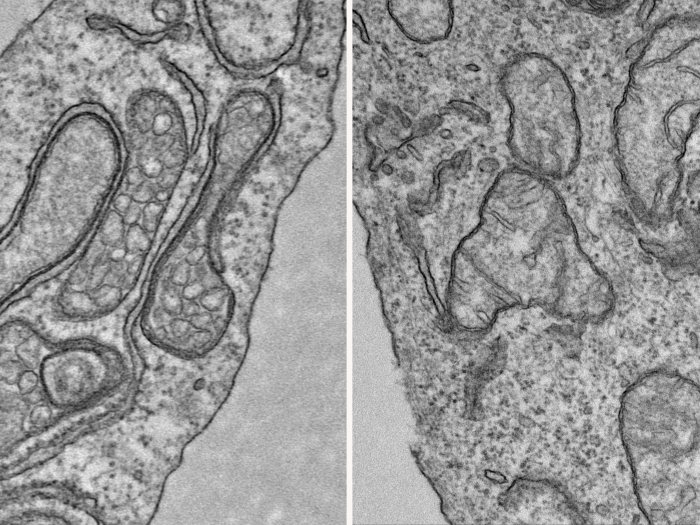
FDA-approved cancer drug fedratinib reshapes how cell organelles communicate, providing new therapeutic avenues
University of Michigan researchers found that the FDA-approved drug fedratinib can lead to endoplasmic reticulum and mitochondria contact site formation, providing a potential therapeutic avenue.

Health Lab
Glucose drives STAT3 activation in colorectal cancer cells, leading to tumor growth
University of Michigan researchers have shown that glucose levels sustain the increased STAT3 activation in colorectal cancer cells. Their findings suggest that targeting glucose metabolism could inhibit STAT3, leading to novel therapeutic strategies.
Health Lab
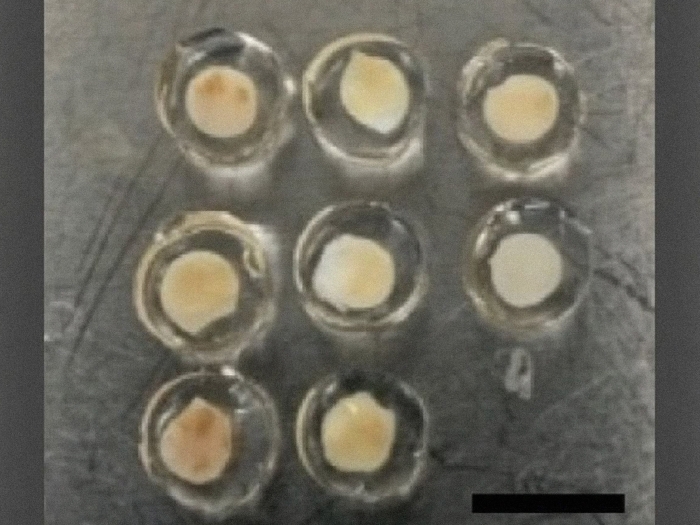
Encapsulated ovarian donor tissue restores ovarian function in mice
University of Michigan researchers have demonstrated that donated ovarian tissue can produce natural hormone cycles in mice, with the aim of restoring female hormone cycles for pediatric cancer survivors.
Health Lab
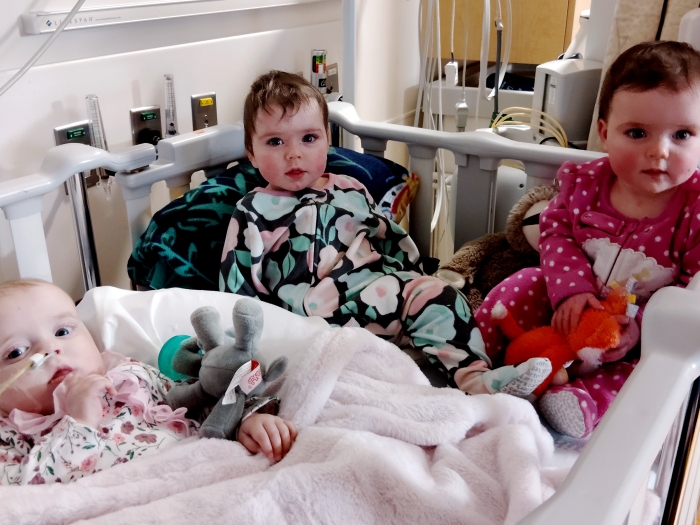
Rare infant triplet overcomes one-in-a-million type of liver cancer
Josephine “JoJo” Wells, a spontaneous triplet, was diagnosed with rare hepatoblastoma at nine months old and treated with surgery and chemotherapy.
Health Lab
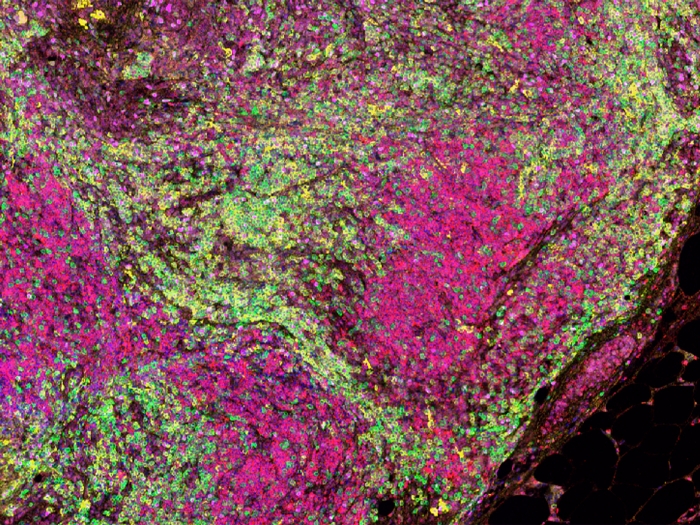
New mouse model for liposarcoma can help uncover new therapies
There has been little progress in understanding and treating liposarcoma due to its rarity and lack of research resources. In a new study, University of Michigan researchers have developed a novel mouse model that mirrors the disease in humans.
