Common CPR questions answered by doctors
Looking for reasons to learn the lifesaving technique? Here are a few
7:28 AM
Authors |
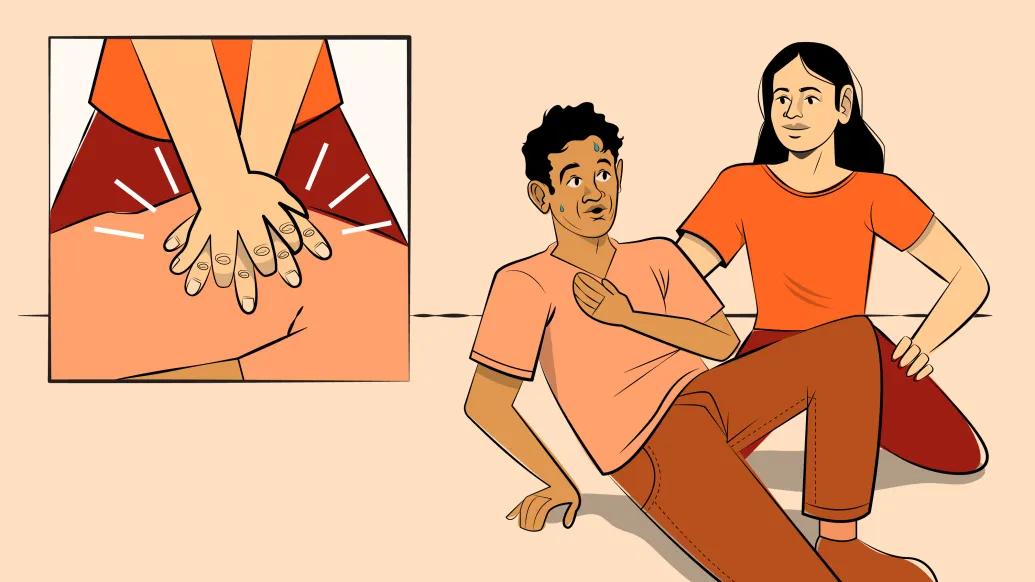
When a person’s heart stops beating during a sudden cardiac arrest, action must be taken immediately to save their life.
Hundreds of thousands of Americans experience cardiac arrest each year, with nearly three quarters of cases occurring in the home.
The survival rate is low — around 10% — but it can be improved with the quick initiation of cardiopulmonary resuscitation, known more commonly as CPR.
Here, a cardiologist and emergency physician from University of Michigan Health answer key questions about the lifesaving technique.
What is CPR?
Brahmajee Nallamothu, M.D.: CPR is a lifesaving technique used when someone's heart has stopped beating (i.e., cardiac arrest) or when they have stopped breathing. It involves chest compressions and rescue breaths to restore blood circulation and oxygen supply to vital organs.
The purpose of CPR is to keep blood and oxygen circulating until medical help arrives. When someone experiences a cardiac arrest, for example, vital organs like the brain can be damaged within minutes. Performing chest compressions helps pump blood manually to the brain and other organs, and that’s the most critical step. This buys them crucial time until medical assistance arrives to provide more definitive treatment.
SEE ALSO: Most cardiac arrests happen at home. Here’s how to make yours ‘heartsafe’
CPR is important because it can make a difference between life and death. Every second counts in emergencies like cardiac arrest. When you learn CPR, you become a valuable first responder, capable of providing immediate assistance until experts arrive.
Can the physical act of CPR have lasting impacts on the heart or body?
Nallamothu: The physical act of CPR itself is focused on providing immediate lifesaving measures during an emergency.
While CPR can have some effects on the body, the potential benefits of performing CPR far outweigh the potential risks. For example, when performing CPR, chest compressions can sometimes cause fractures or injuries to the ribs or sternum (chest bone). These injuries are generally minor and heal over time. This contrasts with the immediate need to restore blood circulation and oxygenation to vital organs.
In fact, the lasting impacts of CPR on the body are to maintain blood flow to the brain, other essential organs and even the heart itself until help arrives, which can limit the injury that occurs to the body when the heart stops pumping blood properly for more than a few minutes.
The benefits of CPR far outweigh the risks and can increase the chances of survival and potentially reduce the risk of long-term complications or permanent damage.
Why is it important to learn CPR?
James Pribble, M.D.: Immediate bystander response by the general public is often the first link in the chain of cardiac arrest survival.
Bystanders are needed to call 911 and provide immediate CPR if more cardiac arrest victims are to survive. Without bystander action, little can be done to improve survival.
Learning CPR gives people the confidence to know what to do in case they encounter a cardiac arrest. In fact, people who learn how to do CPR are much more likely to perform immediate CPR during a cardiac arrest which greatly improves the chances of survival.
You may save someone you know and love. Most cardiac arrests happen in the home and, therefore, you are most likely going to save the life of someone you know and love.
Do you need to be certified in CPR? How can you learn it?
Pribble: You don’t need to be certified to perform CPR. Recognizing a cardiac arrest, calling 911, and pushing hard and fast in the center of the chest are the first steps to saving a life.
SEE ALSO: Community group looks to improve sudden cardiac arrest response
That said, CPR training has been shown to help. This training doesn’t need to be a formal class or cost a lot of money. Studies have shown that people can learn how to perform hands-only CPR through online videos. Hands-only CPR has been shown to be as effective as CPR with breaths and is easier to perform.
Practicing how to do chest compressions has also been shown to help bystander’s performance and confidence. Although CPR training kits are available to purchase, people can easily create a homemade practice manikin by pulling a t-shirt through a roll of toilet paper and then sandwiching the toilet paper between a bath towel. This provides a feeling of chest compressions. Just remember to push hard (down at least 2 inches) and fast (about two compressions per second) while allowing for total recoil between compressions.
Make it fun by getting together with family, friends and neighbors to watch an online training video and practice doing CPR. Refresh your skills about every six months so that you can feel more confident in helping save a life.
You can make someone’s lucky day. Each year about 10,000 people suffer cardiac arrest in Michigan. Every survivor I’ve talked to says how lucky they were that someone started immediate CPR to save their life. You can help by learning CPR so that we have more lucky survivors in our community.
Health Lab
Explore thousands of health news & research stories by visiting the Health Lab homepage for more.
Media Contact

Public Relations
Department of Communication at Michigan Medicine
Stay Informed
Want top health & research news weekly? Sign up for Health Lab’s newsletters today!
Featured News & Stories
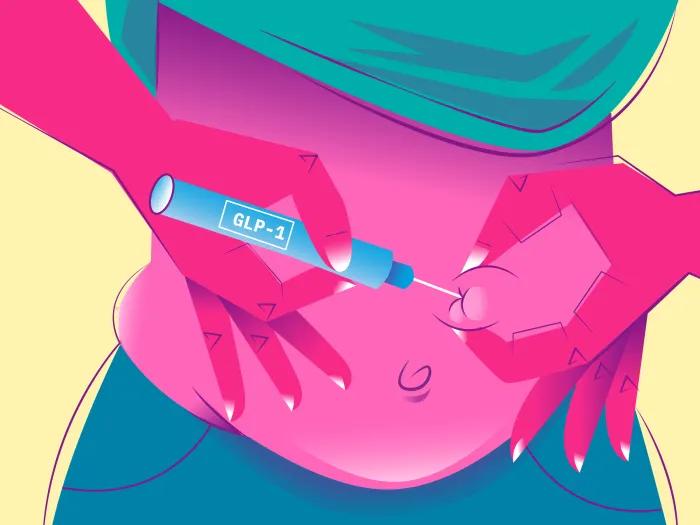
What should you know before starting a GLP-1?

E-bikes are faster than ever. Are families prepared for the risks?
The hidden life of parasites like Cyclospora

Finding Joy in Leadership: Brian Zink, MD, on Coaching, Purpose and the Next Phase of Academic Medicine
How new care models, within a new building launch, are helping optimize patient care