Could GLP1RA drugs lower high iron levels?
Increased iron levels can be dangerous for those with type 2 diabetes
1:25 PM
Author |

GLP1RA agonists have been increasing in popularity for treating obesity and type 2 diabetes.
With this novel treatment proving to be very effective, researchers are curious to know more about what other potential treatments it could also hold.
Researchers at the University of Michigan investigated another potential way GLP1RA drugs can be useful in treating type two diabetes associated with a genetic condition that causes high levels of iron, called hereditary hemochromatosis.
High iron levels with hereditary hemochromatosis can cause predisposition to liver disease and type two diabetes. And, unfortunately, there are limited therapeutic options for patients.
The project led by Nadejda Bozadjieva-Kramer, Ph.D., an assistant professor of surgery at University of Michigan Health, and Randy Seeley, Ph.D., the Henry King Ransom endowed professor of surgery at the University of Michigan and director of the NIH-funded Michigan Nutrition Obesity Research Center, tested the effectiveness of one of these GLP1RA drugs, liraglutide, in reducing elevated iron levels.
In mice models, liraglutide was found to alter the iron metabolism leading to decreased circulation and storing of iron levels in the liver.
“Our data shows that the GLP1RA liraglutide is effective in reducing iron levels in addition to reducing body weight and glucose levels in a mouse model of hereditary hemochromatosis,” said Bozadjieva-Kramer.
“This shows the drug can potentially be used for other metabolically related disorders given further research. Due to the novelty of this drug, this is a step forward in understanding all the benefits it holds beyond weight loss and glucose regulation.”
The research team plans to continue their investigation into how these drugs lower iron levels and whether it also contributes to weight and glucose benefits.
Additional authors: Jae Hoon Shin, Neil B Blok and Randy J Seeley from the Department of Surgery, University of Michigan, Ann Arbor, MI; Chesta Jain and Nupur K Das from the Molecular and Integrative Physiology, University of Michigan, Ann Arbor, MI; Joseph Polex-Wolf and Lotte Bjerre Knudsen from the Novo Nordisk Inc., Copenhagen, Denmark; and Yatrik M Shah from the Molecular and Integrative Physiology, University of Michigan, Ann Arbor, MI and the Department of Internal Medicine, Division of Gastroenterology and Hepatology, University of Michigan, Ann Arbor, MI.
Conflicts of interest: Seeley has received research support from Novo Nordisk, Fractyl, Astra Zeneca, Congruence Therapeutics, Eli Lilly, Bullfrog AI, Glycsend Therapeutics and Amgen. Seeley has served as a paid consultant for Novo Nordisk, Eli Lilly, CinRx, Fractyl, Structure Therapeutics, Crinetics and Congruence Therapeutics. Seeley has equity in Calibrate, Rewind and Levator Therapeutics. Joseph Polex-Wolf and Lotte Bjerre Knudsen are paid employees of Novo Nordisk.
Paper cited: “Liraglutide Impacts Iron Homeostasis in a Murine Model of Hereditary Hemochromatosis,” Endocrinology. DOI: 10.1210/endocr/bqae090
Sign up for Health Lab newsletters today. Get medical tips from top experts and learn about new scientific discoveries every week.
Sign up for the Health Lab Podcast. Add us wherever you listen to your favorite shows.

Health Lab
Explore a variety of health care news & stories by visiting the Health Lab home page for more articles.
Media Contact

Public Relations
Department of Communication at Michigan Medicine
In This Story
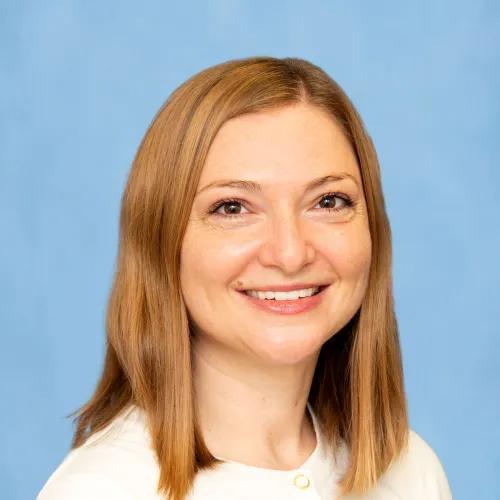
Nadejda Bozadjieva Kramer, PhD
Assistant Professor
Stay Informed
Want top health & research news weekly? Sign up for Health Lab’s newsletters today!
Featured News & Stories
Research may help better predict outcomes in kids with congenital cytomegalovirus

Michigan’s aging brains need more protection, poll shows

A method to prevent falls before they happen
Study explains how colorectal cancer cells maintain high iron levels
Emergency EEG study suggests need for faster seizure diagnosis and care options