New law regulating out-of-pocket drug spending saves cancer patients more than $7,000 a year
The Inflation Reduction Act’s limit on Medicare Part D spending leads to significant savings for patients prescribed oral chemotherapy
11:00 AM
Author |
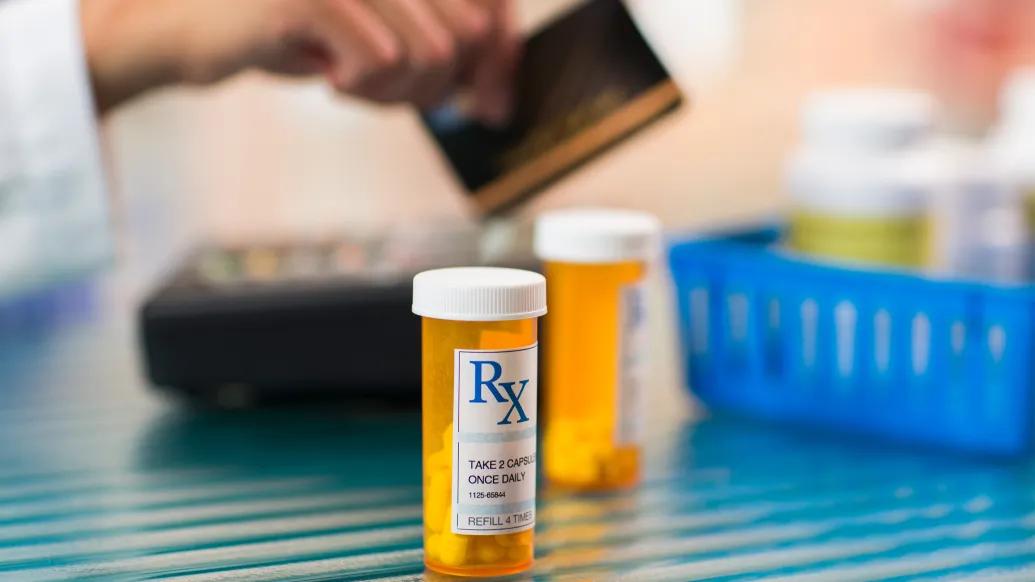
As prescription oral chemotherapies have become a common form of cancer treatment, some patients were paying more than $10,000 a year for medications.
A study finds that efforts to cap prescription drug spending are yielding significant out-of-pocket savings for these patients.
The Inflation Reduction Act, enacted in 2022, included establishing a cap on out-of-pocket spending for those enrolled in Medicare Part D prescription drug plans.
Researchers from the University of Michigan’s Institute for Healthcare Policy and Innovation and Rogel Cancer Center used the online Medicare Part D Plan Finder tool to assess how much patients were paying for the most commonly prescribed oral chemotherapies.
They compared data from 2023, when no out-of-pocket cap was in place, to 2024, when the policy first took effect.
SEE ALSO: Free online tool helps prostate cancer patients save on out-of-pocket drug costs
For Medicare Part D beneficiaries, annual out-of-pocket costs for oral cancer medications averaged $11,284 in 2023.
In 2024, the average annual cost for the same medications is estimated to be $3,927.
The median cost saving from 2023 to 2024 is estimated to be $7,260, demonstrating the policy’s effect on decreasing costs for patients.
The study is published in JAMA Network Open.
“People with cancer are already vulnerable to financial distress and medical debt. Our analysis suggests that legislative policy can have a big impact on the cost of cancer care. This is especially critical as lawmakers now consider extending an out-of-pocket cap to commercial insurance,” said lead study author Benjamin Pockros, M.D., M.B.A., a urology resident at Michigan Medicine.
In 2025, an out-of-pocket cap will be set at $2,000, which the researchers predict will result in even greater savings for patients.
Additional authors: Chad Ellimoottil, M.D.; Belal Sbei; Megan Caram, M.D.; Kristian Stensland, M.D., M.P.H., M.S.
Funding: University of Michigan Institute for Healthcare Policy and Innovation.
Paper cited: “Changes in Out-of-Pocket Spending for Common Oral Cancer Medications After the Inflation Reduction Act,” JAMA Network Open. DOI: 10.1001/jamanetworkopen.2024.32456
Health Lab
Explore thousands of health news & research stories by visiting the Health Lab homepage for more.
Media Contact

Public Relations
Department of Communication at Michigan Medicine
Stay Informed
Want top health & research news weekly? Sign up for Health Lab’s newsletters today!
Featured News & Stories

New questionnaire aims to improve understanding of demand avoidance in children, teens

Timing is of the essence for RNA during stress

New anti-cancer strategy shows promise in preclinical studies
More babies with hypoplastic left heart syndrome surviving critical period between surgeries

How U-M helped bring depression out of the darkness