
Study shows how smoking drives pancreatic cancer
Researchers trace how chemicals from cigarettes and other environmental toxins lead to higher risk of pancreatic cancer and worse outcomes
10:00 AM
Author |
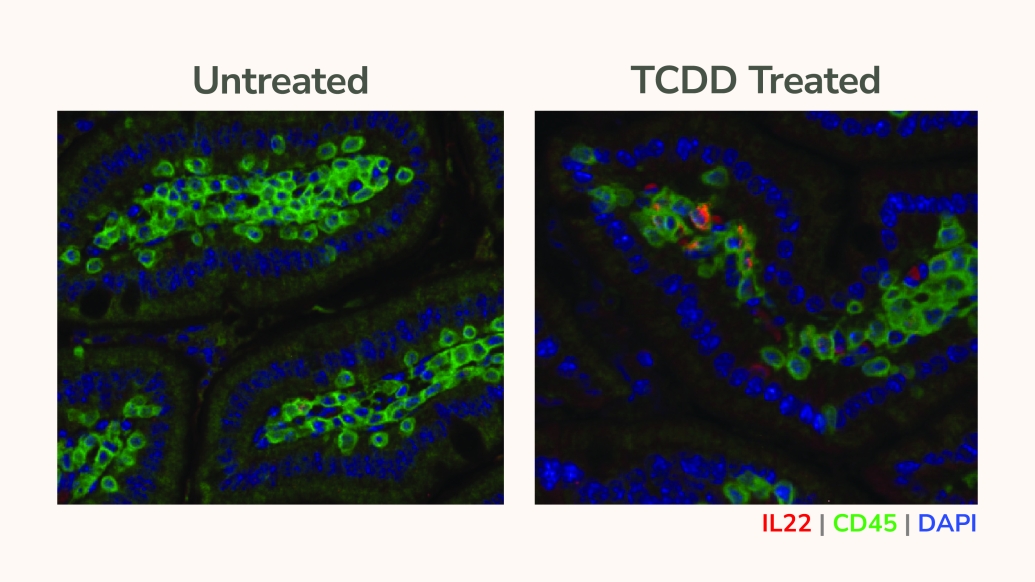
A study explains why smokers have a higher chance of developing pancreatic cancer and why they tend to have worse outcomes than nonsmokers.
Researchers from the University of Michigan Health Rogel Cancer Center found a specific cell that responds to environmental toxins such as those found in cigarettes.
When the toxins bind to the cells, it leads to release of a protein, interleukin-22, causing tumors to grow aggressively in mice with pancreatic cancer.
Digging deeper led the team to identify a super-suppressive type of immune cell that fuels this response while also stopping the immune system from fighting tumor growth.
The study is published in Cancer Discovery, a journal of the American Association for Cancer Research.
Researchers started by giving a chemical found in cigarettes and other environmental toxins to mice that had pancreatic tumors.
They were looking to see how that would impact Interleukin-22, or IL22.
Previous work showed IL22 plays a role in the pancreatic tumor microenvironment.
A specialized receptor found on IL22 producing cells binds to chemicals, not natural proteins in the body, so it was a logical first step to see how the chemical carcinogen would impact IL22.
“It dramatically changed the way the tumors behave.
They grew much bigger, they metastasized throughout the body. It was really quite dramatic,” said senior study author Timothy L. Frankel, M.D., co-director of the Rogel and Blondy Center for Pancreatic Cancer and Maud T. Lane Professor of Surgical Oncology at Michigan Medicine.
Next, they started digging into what mechanism was leading to this enhanced tumor growth.
They confirmed that in mice with no immune system, chemical toxins did not cause tumor growth, suggesting that the carcinogen was functioning within the immune system.
From there, they uncovered a role for IL22 producing T-regulatory immune cells, a type of cell that’s been previously implicated in autoimmune disorders but not in pancreatic cancer.
“These T-regulatory cells have the ability to both make IL22 but also massively suppress any anti-tumor immunity. It’s a two-pronged attack. When we eliminated all the Treg cells from these mice, we reversed the entire ability of the cigarette chemical to let the tumor grow,” Frankel said.
They confirmed their results in human immune cells and also in cells from patients with pancreatic cancer.
Sure enough, smokers with pancreatic cancer had more Treg cells than nonsmokers.
Researchers were further able to show that an inhibitor that blocks the cigarette chemical was effective at shrinking tumors.
“If we are able to inhibit the super suppressive cells, we might also unlock natural anti-tumor immunity. This could be even further activated by current immunotherapies, which do not work well in pancreatic cancer because of the immunosuppressive environment,” Frankel said.
More research is needed to understand the potential to use a drug that inhibits this environmental toxin or that blocks this signaling pathway.
In addition, the study results suggest the need for personalized treatment based on patients’ exposure to cigarette smoke.
“There’s a potential that we need to treat smokers who develop pancreatic cancer differently,” Frankel said.
“We may also need to screen smokers more closely for pancreatic cancer development. There is not a great screening mechanism, but people who smoke should be educated about symptoms to look out for and consider referrals to a high risk clinic.”
Signs of pancreatic cancer include low back pain, yellowing of the skin and unexplained weight loss.
Frankel adds that people with a family history of pancreatic cancer or with other pancreatic inflammatory diseases should avoid smoking.
Additional authors: Brian D. Griffith, Padma Kadiyala, Jake McGue, Lei Sun, Aadith Kuman, Carlos E. Espinoza, Katelyn L. Donahue, Matthew K. Iyer, Cameron Speyer, Sarah Nelson, Andrew Spiteri, Ahmed M. Elhossiny, Kristee Brown, Holly Attebury, Filip Bednar, Eileen S. Carpenter, Ilona Kryczek, Yaqing Zhang, Weiping Zou, Marina Pasca di Magliano
Funding: National Cancer Institute grants P30CA046592, R01CA268426, R01CA260752, R01CA271510, R01CA264843, U01CA 224145, U01CA274154, T32CA00967; National Institutes of Health grant 5R01DK128102; U.S. Department of Veterans Affairs grant 5I01BX005777; Society of University Surgeons Resident Research Award; Fredrick A. Coller Surgical Society Research Award.
Paper cited: “Aryl hydrocarbon receptor ligands drive pancreatic cancer initiation and progression through pro-tumorigenic T cell polarization,” Cancer Discovery. DOI: 10.1158/2159-8290.CD-25-0377

Health Lab
Explore a variety of health care news & stories by visiting the Health Lab home page for more articles.
Media Contact

Public Relations
Department of Communication at Michigan Medicine
In This Story

Timothy L Frankel, MD
Professor
Stay Informed
Want top health & research news weekly? Sign up for Health Lab’s newsletters today!
Featured News & Stories

Receiving personalized treatment for a rare neuroendocrine tumor

Helping an employee-turned-patient overcome a brain tumor

Stopping Ewing sarcoma relapses where they start

Vascular STING activation facilitates natural killer cell anti-tumor immunity in small cell lung cancer

The Y chromosome is home to surprising jumping genes

