
Ananya Sen
Sen covers cancer clinical care and pediatric cancer research, ophthalmology, endocrinology, diabetes, emergency medicine, survival flight, and children's and women's health. Sen completed her Ph.D. in Microbiology from the University of Illinois Urbana-Champaign where she then worked as a science writer after graduation.


Health Lab
Glucose drives STAT3 activation in colorectal cancer cells, leading to tumor growth
University of Michigan researchers have shown that glucose levels sustain the increased STAT3 activation in colorectal cancer cells. Their findings suggest that targeting glucose metabolism could inhibit STAT3, leading to novel therapeutic strategies.

News Release
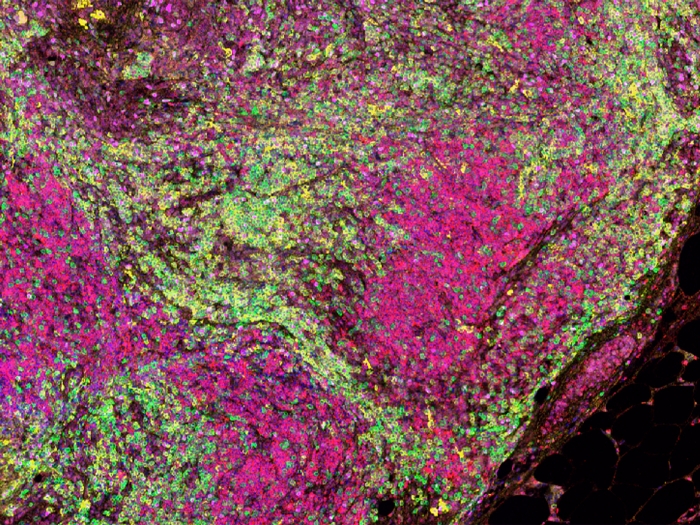
U-M researcher receives Cancer Grand Challenges funding to crack the dark proteome of cancer
John Prensner, MD, PhD at University of Michigan Health C.S. Mott Children’s Hospital and research member at the Rogel Cancer Center is part of a research team called ILLUMINE which will receive a Cancer Grand Challenges award.
Health Lab
New mouse model for liposarcoma can help uncover new therapies
There has been little progress in understanding and treating liposarcoma due to its rarity and lack of research resources. In a new study, University of Michigan researchers have developed a novel mouse model that mirrors the disease in humans.
Health Lab
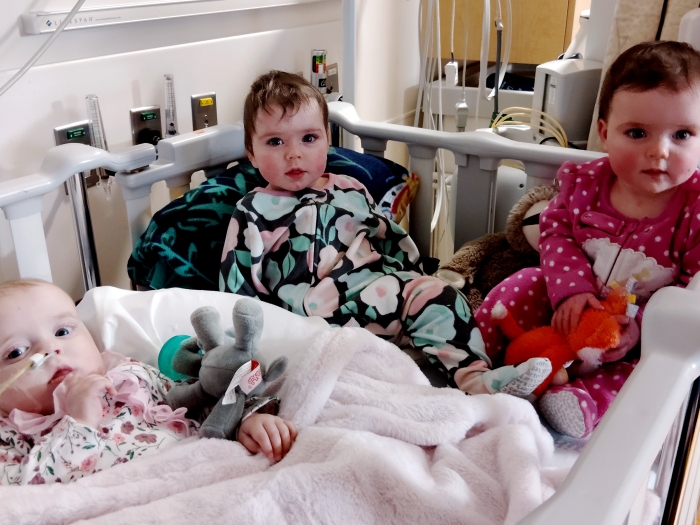
Rare infant triplet overcomes one-in-a-million type of liver cancer
Josephine “JoJo” Wells, a spontaneous triplet, was diagnosed with rare hepatoblastoma at nine months old and treated with surgery and chemotherapy.

Health Lab
2 multiple myeloma treatments receive FDA approval
The Food and Drug Administration approved two drugs—daratumumab and linvoseltamab—for precursor conditions to multiple myeloma and relapsed multiple myeloma. Matthew Pianko answers questions about the current treatment options for multiple myeloma, the new FDA-approved drugs and what these treatments mean for patients.

Health Lab
Itaconate identified as a new target for pediatric brain tumors called ependymomas
University of Michigan researchers have found that a specific molecule called itaconate drives the development of ependymomas, a pediatric brain tumor. Their findings can help future drug development for children with this type of malignant brain tumor.

Health Lab
Extreme temperature changes increase number of out-of-hospital cardiac arrests, model finds
The University of Michigan has developed a machine learning model that’s discovered 17 environmental and social factors that can influence the risk of OHCA, including extreme temperatures, race, poverty and education levels.

Health Lab
5-year survival rate has increased for all cancers, according to American Cancer Society
The American Cancer Society reports that mortality rates have continued to decline since the 1990s. N. Lynn Henry, of Michigan Medicine, answers questions about how factors such as healthy lifestyle choices, early screening and clinical trials have improved cancer survival rates.

Health Lab
Former nurse develops UTI that rapidly progresses to septic shock
Karen Hollingsworth’s training as a nurse helped her identify the symptoms of a urinary tract infection and when it rapidly developed into septic shock.

Health Lab
Model predicts long term mortality risk from prostate cancer
Existing risk calculators for prostate cancer have less accurate estimates or predict risk through tests based on biopsy, which requires tissue samples and extra processing times. U-M researchers have developed a new model that can help doctors and patients understand their PSA results and what it means for patient life expectancy.
Health Lab
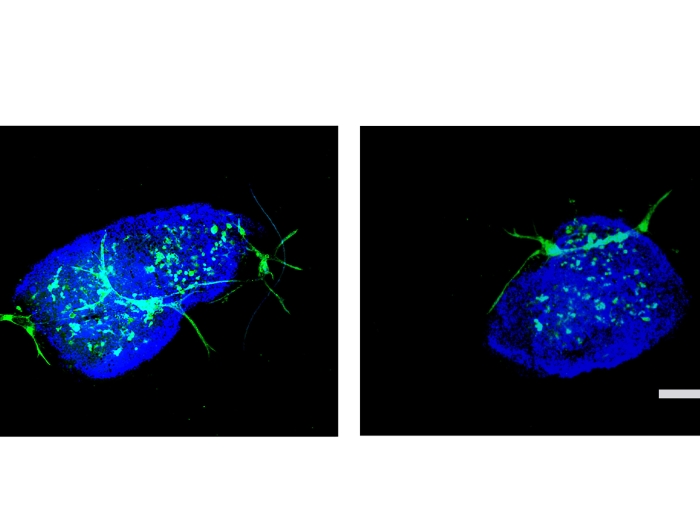
Uncovering how occludin protein maintains blood-brain and blood-retinal barriers
University of Michigan researchers uncover the role of occludin, a protein that regulates blood-brain and blood-retinal barriers, offering new insight into diabetic retinopathy.
Health Lab
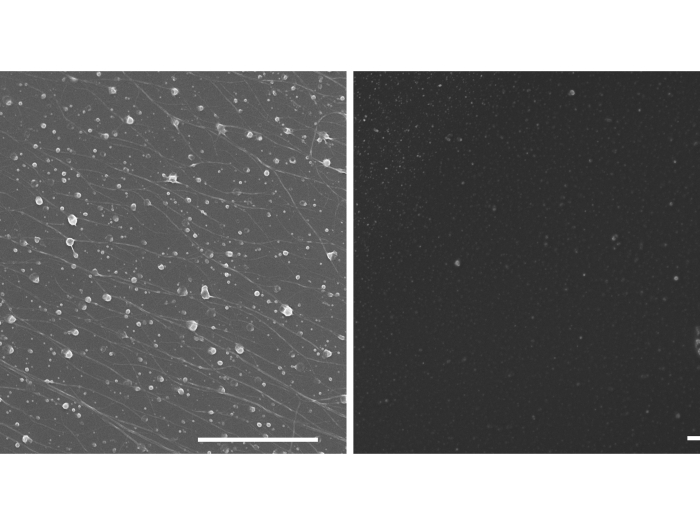
Using a microfluidic device to monitor glioblastoma treatment outcomes
Using a microfluidic device, researchers isolated glioblastoma biomarkers that can be used to predict patient responses to chemotherapy drugs.
Health Lab
'Molecular glue' stabilizes protein that inhibits development of non-small cell lung cancer
University of Michigan researchers found a new protein target PP2A and developed a drug to treat non-small cell lung cancers that have KRAS mutations.

Health Lab
Doctors restore patient’s vision with progressive eye disease
Michael Budd was diagnosed with Fuchs’ dystrophy and underwent surgery at Kellogg Eye Center, which fixed his vision issues.
Health Lab
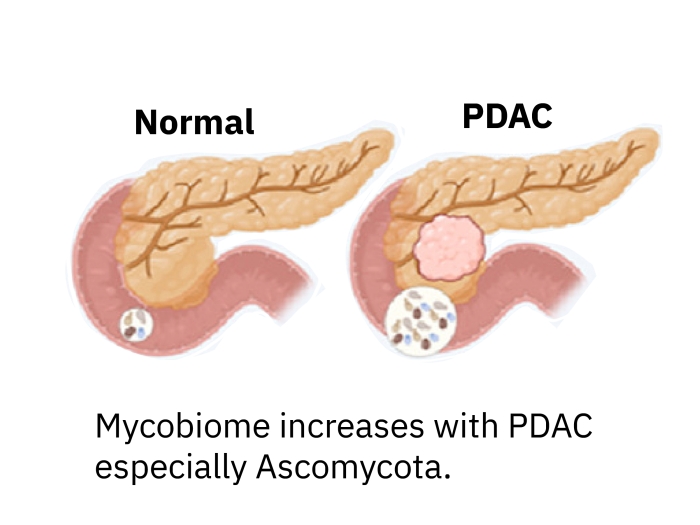
Gut microbiome may influence how patients with pancreatic cancer respond to treatment
Microbes create unique communities called microbiomes in the gut, oral cavity, skin and urogenital regions. Donnele Daley discusses common misconceptions about “healthy” microbes, the role of microbiomes in pancreatic cancer and future research directions.
