
Back to Department of Anesthesiology
-
Medical Student Programs -
Residency -
Fellowships -
Simulation Education -
Student Registered Nurse Anesthetist -
Other Learners -
MOCA -
Facilities & Spaces
Anesthesiology Education

Find Your Future Within Anesthesiology
Enjoy a diverse clinical and classroom experience that’s among the best in the nation.
Elevating Anesthesiology Education
The U-M Medical School Anesthesiology Department consistently ranks among the best training programs in the nation. Our training programs offer residents and trainees the opportunity to learn diverse clinical services from industry leaders. Under our guidance, trainees develop skills that equip them to exceed the highest standards of patient care and research.
EDUCATION & TRAINING PROGRAMS
Simulation Education
Explore and employ state-of-the-art simulation technology for realistic, risk-free training in a hands-on environment. We’re continuously expanding the use and applications of this technology in new and existing courses to supplement both didactic and clinical curriculums.
Upcoming Events
Psychedelics and Arousal States
Can the serotonergic psychedelic 2,5-dimethoxy-4-iodoamphetamine (DOI) induce behavioral arousal and restore brain dynamics associated with wakefulness during general anesthesia?
Featured News & Stories
Department News
New project aims to predict depressive symptoms after surgery
A new University of Michigan Medical School project aims to predict whether patients are at risk of developing depressive symptoms after surgery.
Department News
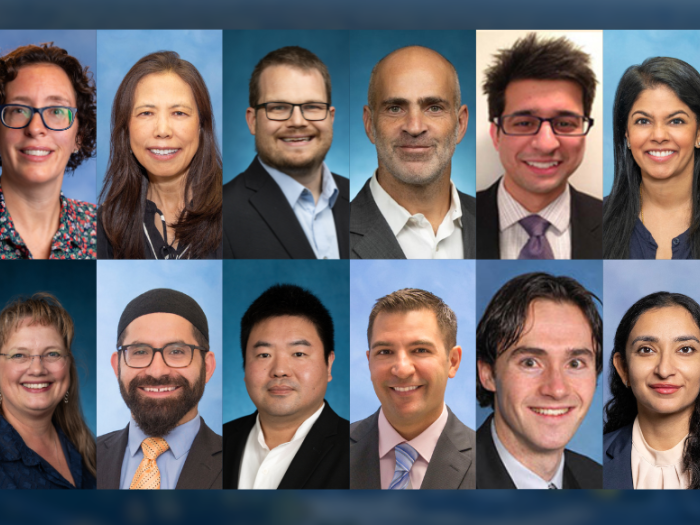
Twelve Anesthesiology faculty members earn promotions
The University of Michigan Regents approved 12 U-M Medical School Department of Anesthesiology faculty promotions during their May 2026 meeting. Promotions will go into effect September 1.
Department News
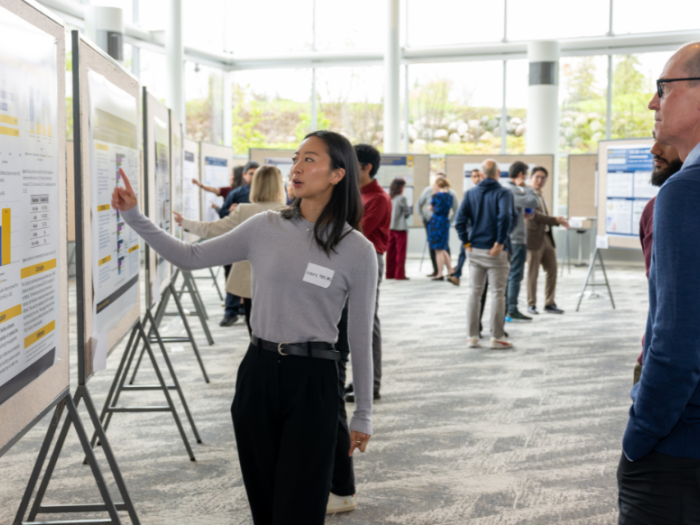
Research Retreat spotlights impact and collaboration across the Department of Anesthesiology
Nearly 100 members of the Department of Anesthesiology gathered April 25 at the North Campus Research Complex (NCRC) for the annual Research Retreat, highlighting departmental research and creating space for new connections and collaborations.
Health Lab
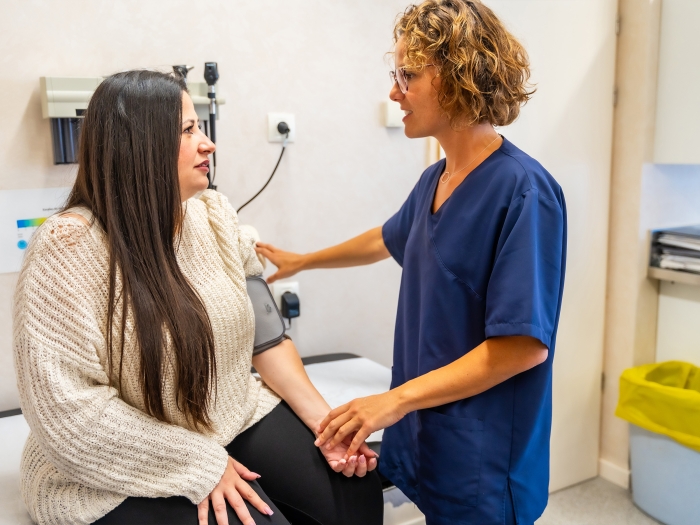
To reduce chronic pain, a new digital program could help
A new study tested a program called Promoting Resilience with Innovative Self-Management, which combines traditional cognitive behavioral therapy skills for pain with additional activities intended to promote resilience and positive emotion.

Department News
Michigan Medicine at UM-Dearborn Day offers specialty exploration for undergraduate students
Michigan Medicine Day at UM-Dearborn took place March 21 with more than 70 students in attendance. This year, Michigan Medicine volunteers from the Departments of Dermatology, Family Medicine and Anesthesiology visited campus to connect with undergraduates on pre-health tracks and offer a closer look at different clinical paths.

Health Lab
What does cannabis 'rescheduling' mean for science and society?
Medical cannabis (marijuana) has been rescheduled on the federal level, which could open the door for much more research than was possible before. Four Michigan Medicine experts comment.
