
-
Medical Student Programs -
Residency -
Fellowships -
Simulation Education -
Student Registered Nurse Anesthetist -
Other Learners -
MOCA -
Facilities & Spaces
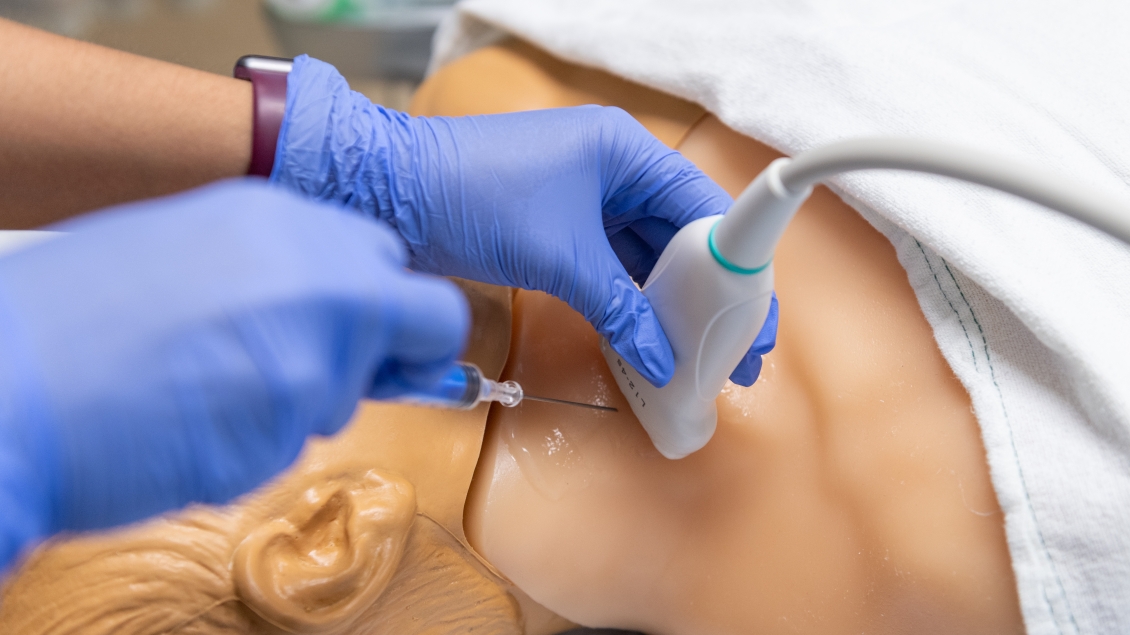
Anesthesiology Simulation Education
Our state-of-the-art simulation education programs enhance and supplement the traditional didactic and clinical curriculums with the latest in educational technologies.
In accordance with the department's commitment to education and dedication to remain at the forefront of medicine, anesthesiology interns and residents attend simulation-based educational sessions throughout their four years of training.
Simulation Courses
In the Department of Anesthesiology, our trainees are exposed to an expansive array of simulation sessions throughout their four years of training.
Medical students get their first exposure to simulation during their M2 year when anesthesiology hosts quarterly skills sessions during their surgery clerkship. At these events, medical students have opportunities to practice anesthesia skills such as bag-mask ventilation, intubation, and peripheral line insertion with anesthesiology faculty. Additional simulation events have been offered in coordination with the Anesthesiology Interest Group, as well as extensive simulated learning opportunities during the residency prep course.
The simulation experience for our interns begins as early as orientation week, where they are immersed in a communication simulation experience to work on proper handovers during transitions of care, how to make difficult patient care phone calls to seniors, fellows, and attendings at home, and how to give succinct information during emergency situations once help arrives.
During their PGY-1 year, our anesthesiology interns attend monthly simulation sessions to engage regularly with the department. This mini “critical care bootcamp” includes hands-on experience on the basics of anesthesia and intensive care, examples include:
- Bronchoscopy
- Central Line and Arterial Line insertion
- Airway management
- Tracheostomy trainer collaboration for advanced airway management with ENT
- Hemorrhagic shock, including interpretation of thromboelastogram results, and the use of rapid intravenous infusion equipment
Simulation features heavily during the month each intern spends exclusively in the anesthesiology department, in preparation for residency. A professional identity formation curriculum (known as CLIME: Communication, Leadership. Inter-professionalism, Motivation and Empathy) includes multiple simulation sessions, such as:
- Airway Management – Bag mask ventilation, LMA insertion, Direct laryngoscopy and video laryngoscopy, IV insertion
- Advanced Airway management – awake fiberoptic intubations, emergency surgical airways, central line insertion, ultrasound guided arterial line insertion
- Virtual Reality 360-video immersion for management of emergencies in anesthesia.
- Regional Anesthesia – epidural and spinal placement
- Mock Induction with SimMan, using real-life equipment on our high-fidelity patient mannequin, in a realistic operating room simulator.
Interns begin their transition to anesthesiology residency at the end of PGY-1 year, with a one-month rotation known as “bootcamp.” This provides comprehensive, hands-on, anesthesia-specific training, related to induction, maintenance, emergence, and troubleshooting to ensure a safe transition to work independently in the operating rooms starting PGY-2 year. The month includes two intensive simulation sessions revolving around high stakes emergency situations of respiratory and cardiac complications and how to treat them effectively and efficiently in a safe, low-stakes environment.
For PGY 2-4 years, the simulation curriculum focuses on management of critical events in the operating room and emergency airway management outside of the operating room. During this course residents will also receive hands-on skills practice including Point-of-Care Ultrasound (POCUS). A dedicated group of faculty with extensive training in simulation education provide instruction not only in clinical management skills, but also in effective teamwork, communication and professionalism. Residents will attend a crisis resource management course during each year of their training.
Communication and professionalism in anesthesia can involve ethical decisions, disclosing errors, and conflict resolution. PGY2-4 residents train with faculty, non-physician experts, and standardized patients in a structured communications workshop, to learn and practice new skills and techniques in a safe space. Residents will attend a communication workshop during each year of their training.
The MEPA course was developed from a collaboration of specialist pediatric anesthesiologists from across the globe with an interest in simulation based training. The MEPA course comprises a series of literature based, peer-reviewed scenarios, which give trainees the opportunity to develop management strategies for emergencies in pediatric anesthesia using high-fidelity simulation. The first course in the USA was held at Michigan Medicine in September 2013; all fellows in Pediatric Anesthesiology complete MEPA certification.
The Maintenance of Certification for Anesthesiology (MOCA) at Michigan Medicine fulfills MOCA recertification for ABA diplomates. Please refer to our MOCA webpage for additional information or to sign up for a course.
This course, facilitated by Anesthesiology and Otolaryngology faculty, is currently available on demand through MiCME with plans to relaunch as an in-person course in 2024.
Objectives for this course include:
- Ability to identify and predict difficult airways.
- Increased knowledge of alternate approaches to airway management.
- Demonstrate proficiency in implementing these new approaches in patient care.
- After attending this course trainees have a greater understanding of management of the difficulty & failed airways.
Launched in 2022, small teams of faculty from distinct subspecialty groups participate in a simulation-based educational day, tailored to needs of the group. An emphasis is placed on leadership and crisis resource management. Participating faculty develop deeper understanding of leadership during perioperative critical events and the resources available to assist with the management of such incidents. The education day includes hands-on scenarios and skill stations, including surgical airway, ultrasound updates and subspecialty-specific clinical refreshers.
All residents rotate through Mott Children's Hospital in their PGY-2 year. Prior to the start of their rotation, new residents participate in a simulation-based education session designed to orient them to the specific issues related to the clinical practice of pediatric anesthesia. This orientation uses SimBaby in a real operating room, with several simulated scenarios, including routine anesthesia and rare but critical events.
Unique to the anesthesiology program at Michigan Medicine, crisis simulation is used to explicitly address the potential emotional impact of clinical practice. Anesthesiologists manage critically ill patients, make clinical decisions under pressure and can experience secondary psychological trauma This three-year rolling curriculum combines crisis simulation with coaching from anesthesiologists and clinical trauma psychologists on resiliency strategies for life-long use after real life crises. Residents will attend a resilience coaching session each year of their training.
Clinical Simulation Center
The Clinical Simulation Center (CSC) offers two locations with the capacity for multiple simulation-based teaching modalities. The CSC utilizes a wide range of simulators, including high-fidelity adult and pediatric mannequins, procedural/task trainers and virtual reality.
Additional Simulation Opportunities
The new HeartWorks Simulator housed in our Cardiovascular Center is utilized during two special PGY-2 and PGY-3 resident rotations focusing on TEE and TTE. The simulator provides comprehensive teaching and review for residents, who will obtain a greater understanding of cardiac anatomy and echocardiographic correlation.
The new ultrasound curriculum includes a longitudinal simulation experience that exposes the residents from PGY-1 through PGY-4 years to ultrasound for vascular access, ultrasound-guided regional blocks and other uses of POCUS, on live models. Every year residents are introduced to a different use for ultrasounds using either simulators or live models to help integrate the use of ultrasound into everyday practice.
An important component of our curriculum is SonoCamp, which is our innovative flipped classroom content started in 2019 to provide hands-on learning for residents in the Simulation Center. Dedicated to improving resident's familiarity with procedural ultrasound skills, the course aims to provide increased time and resources devoted to hands-on, live model scanning in the Simulation Center with emphasis on three major components: ABA OSCE Prep sessions, regional ultrasound and POCUS content.
The virtual reality (VR) educational initiative is designed to give learners of all levels a novel way to explore and practice important clinical scenarios - such as the difficult airway and obstetric emergencies - by immersing them in an authentic clinical environment using 360 degree video. In addition to delivering educational content in a fun and exciting way, the immersive modules allow the convenience of anytime/anywhere anesthesia training.
This training device contains anatomical structures found in the lower lumbar region, and gives the ability to demonstrate routine neuraxial procedures such as: epidural loss of resistance, single shot spinals, epidural and spinal catheter placement, and combined spinal epidural technique.
Each June, the new class of CA1s is invited to an informal breakfast and introduction for family and friends to see life in the OR, including panel discussions and even an opportunity to try out anesthesia tools in our clinical simulation center!
Program Faculty
Elizabeth M Putnam, MBBS, BSc (Hons), FRCA
Raza Zaidi MD
Assistant Medical Director
Program Associate and Program Assistant
Anesthesiology
Medical School

Jehad I Albataineh, MD
Medical School

Lauren Anderson, MD
Program Assistant, Anesthesiology, Medical School
Robert J Bettendorf, MD

Kimberly H Burcar, MD
Assistant Medical Director and Program Associate
Anesthesiology
Medical School
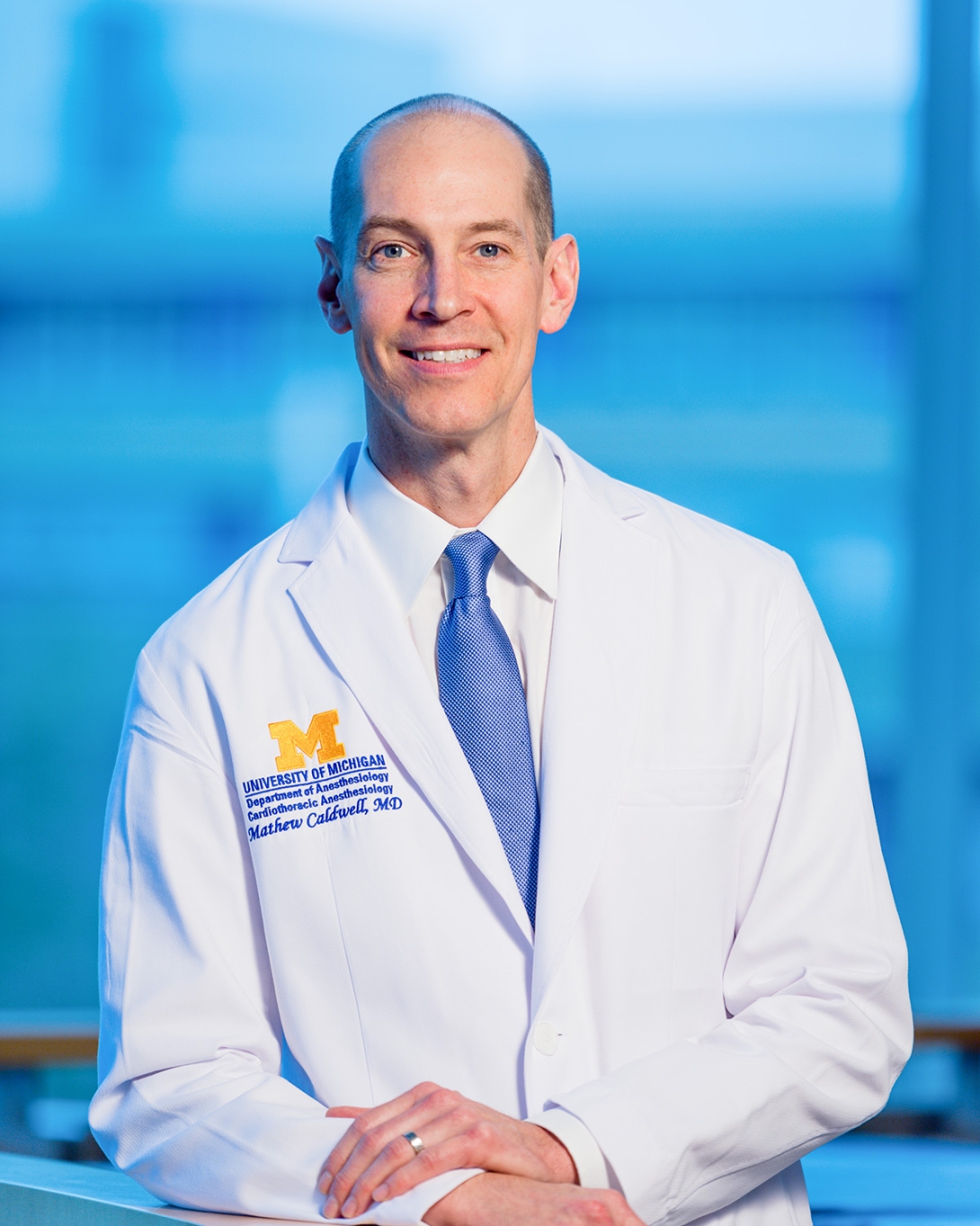
Matthew Caldwell, MD
Anesthesiology
Medical School
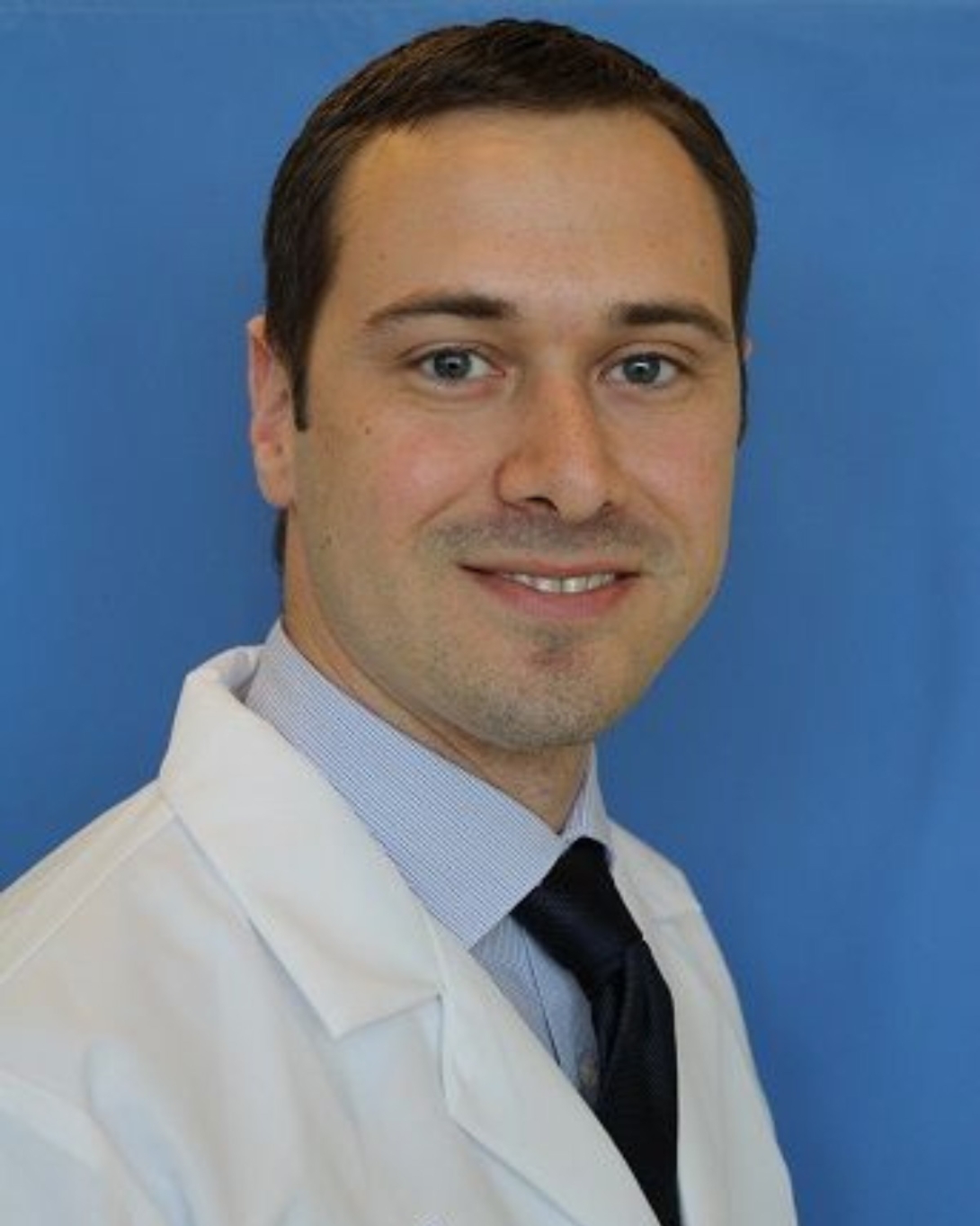
Adam W Carter, MD
Assistant Medical Director, Anesthesiology
Medical School
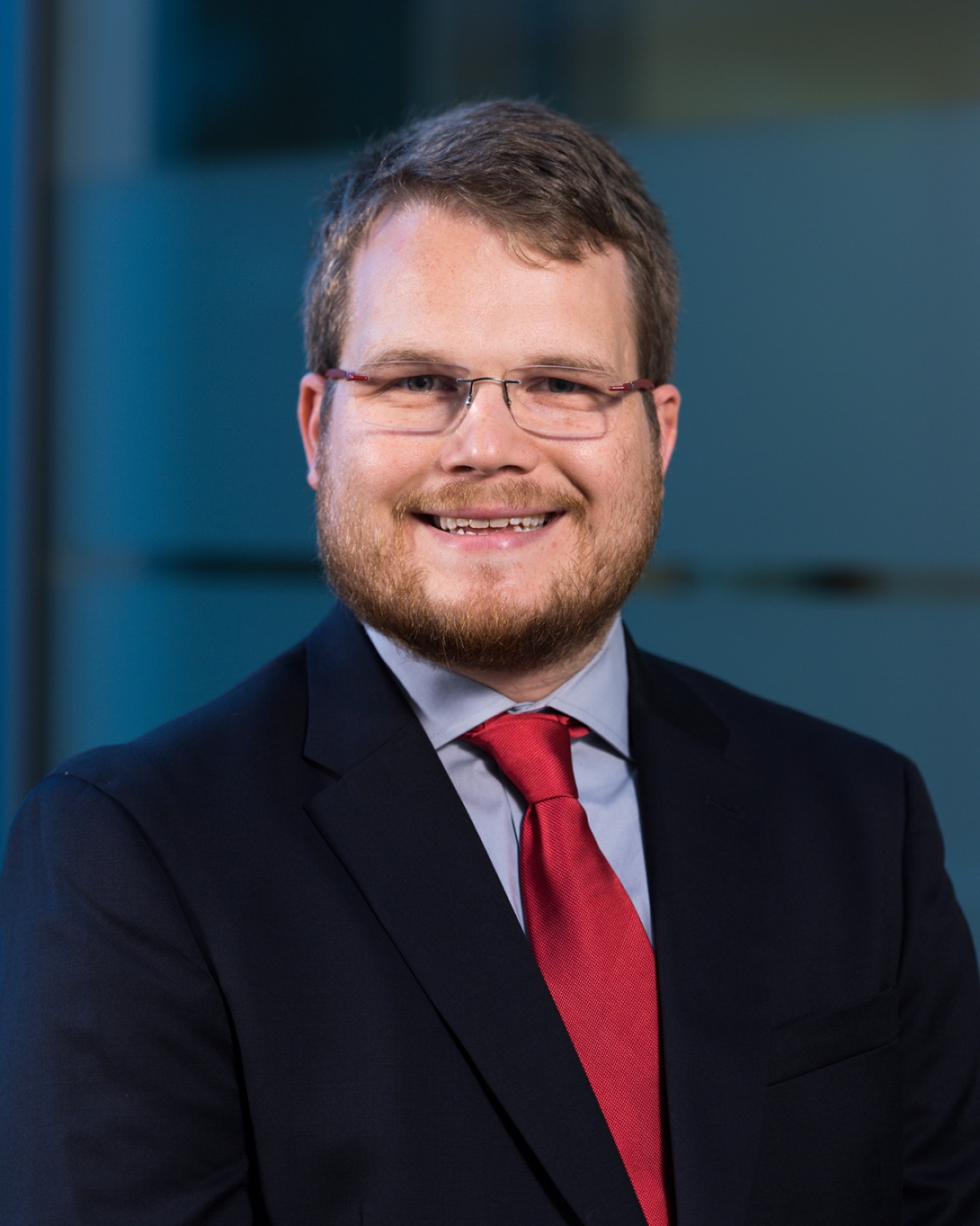
Douglas A Colquhoun, MB ChB, MPH
Program Director and Program Assistant
Anesthesiology
Medical School
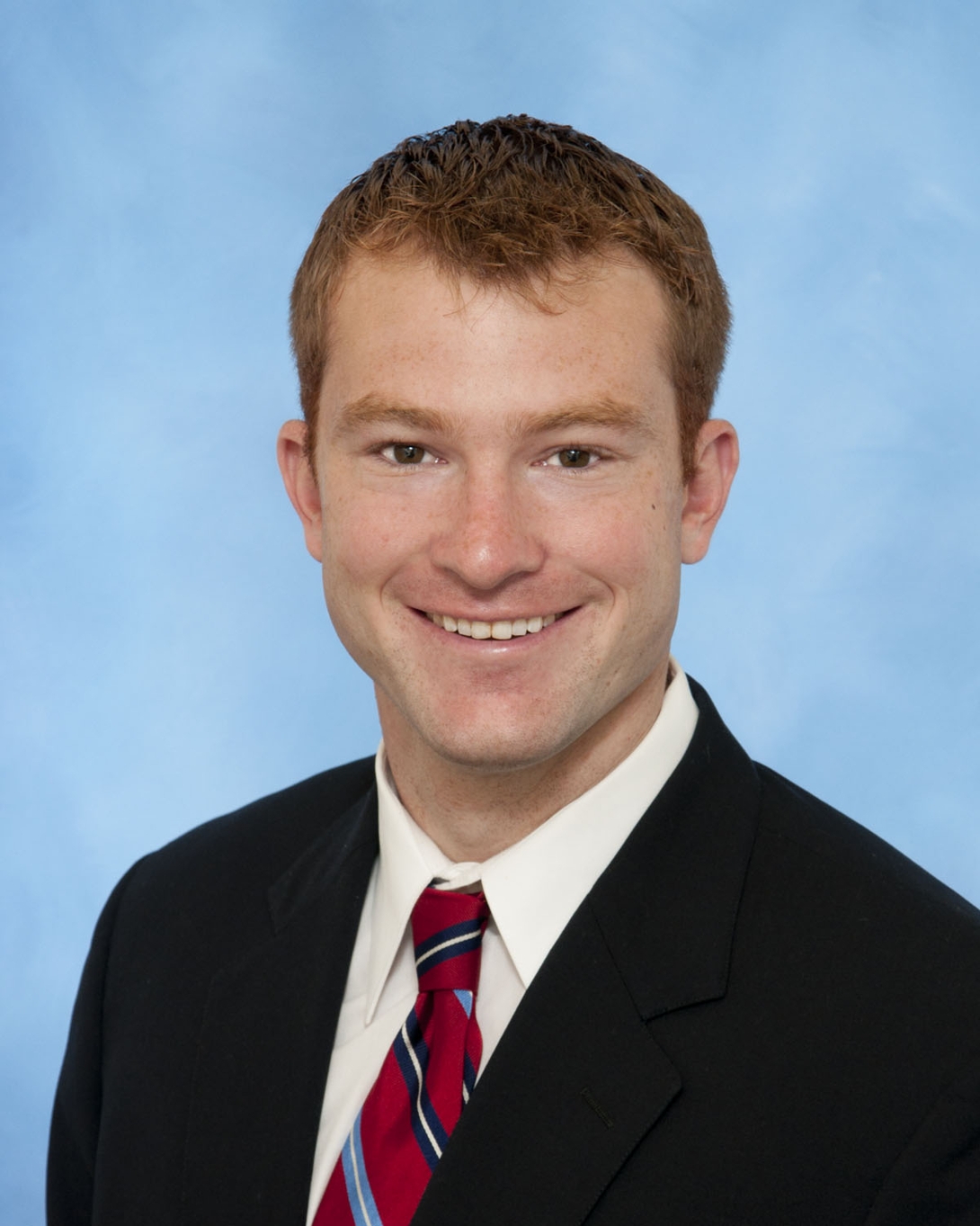
Ryan Davis, MD
Associate Medical Director, Anesthesiology
Assistant Medical Director, Anesthesiology
Medical School
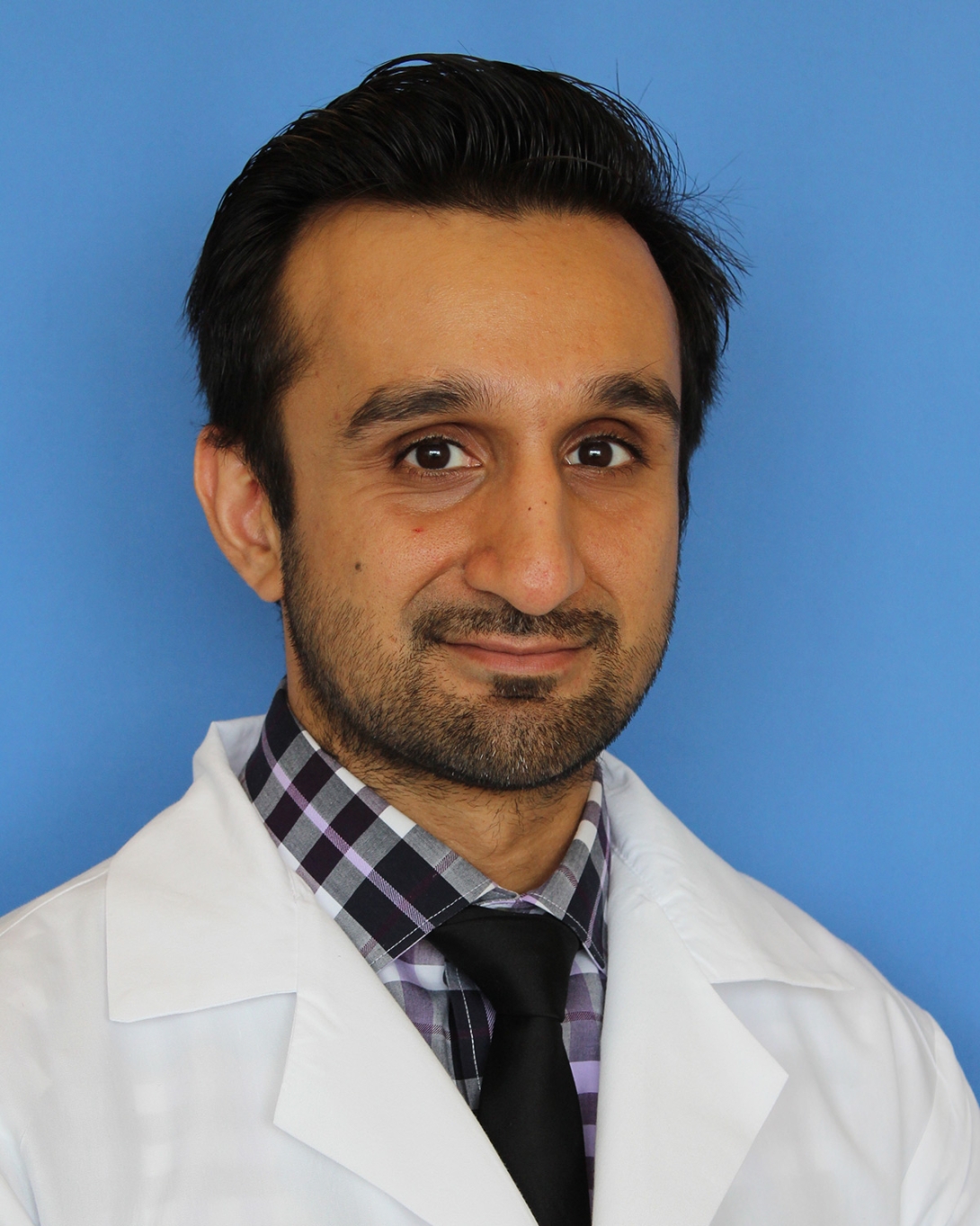
Murtaza Diwan, MD
Medical School
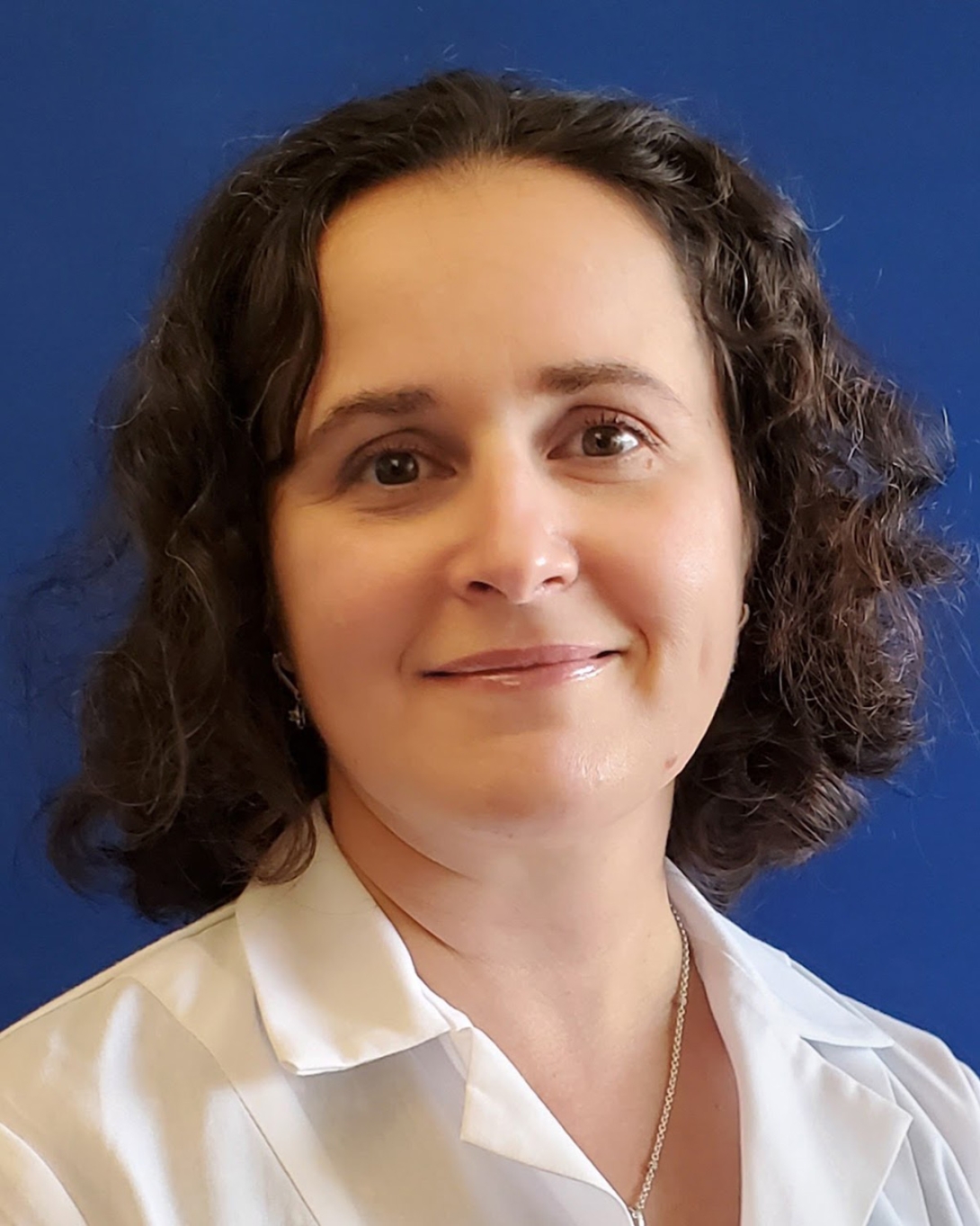
Anna Dubovoy, MD
Associate Chair for Cardiovascular Anesthesiology
Assistant Medical/Clinical Director
Anesthesiology and MPLAN Medical Director for CVC Operating Rooms
Medical School
Andrew DuKatz, MD
Medical School
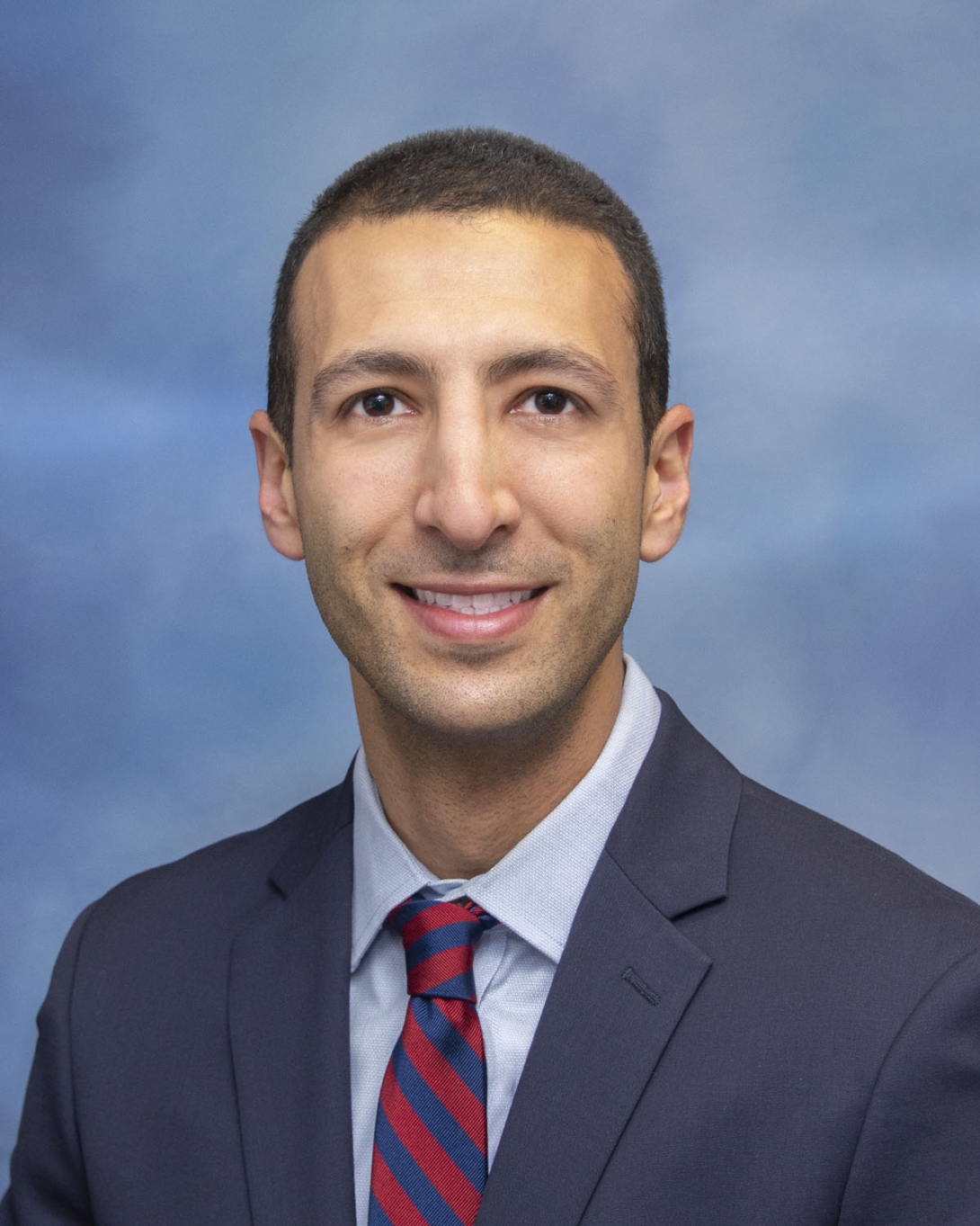
Mehran M Ebadi-Tehrani, MD, FASE
Program Associate
Program Assistant and Assistant Medical Director
Anesthesiology
Medical School

David J Garcia, DO, MS
MPLAN Medical Director for Surgical Anesthesia and Assistant Medical Director
Anesthesiology
Medical School

Ruchika Gupta, MD
Program Associate and Program Assistant
Anesthesiology
Medical School
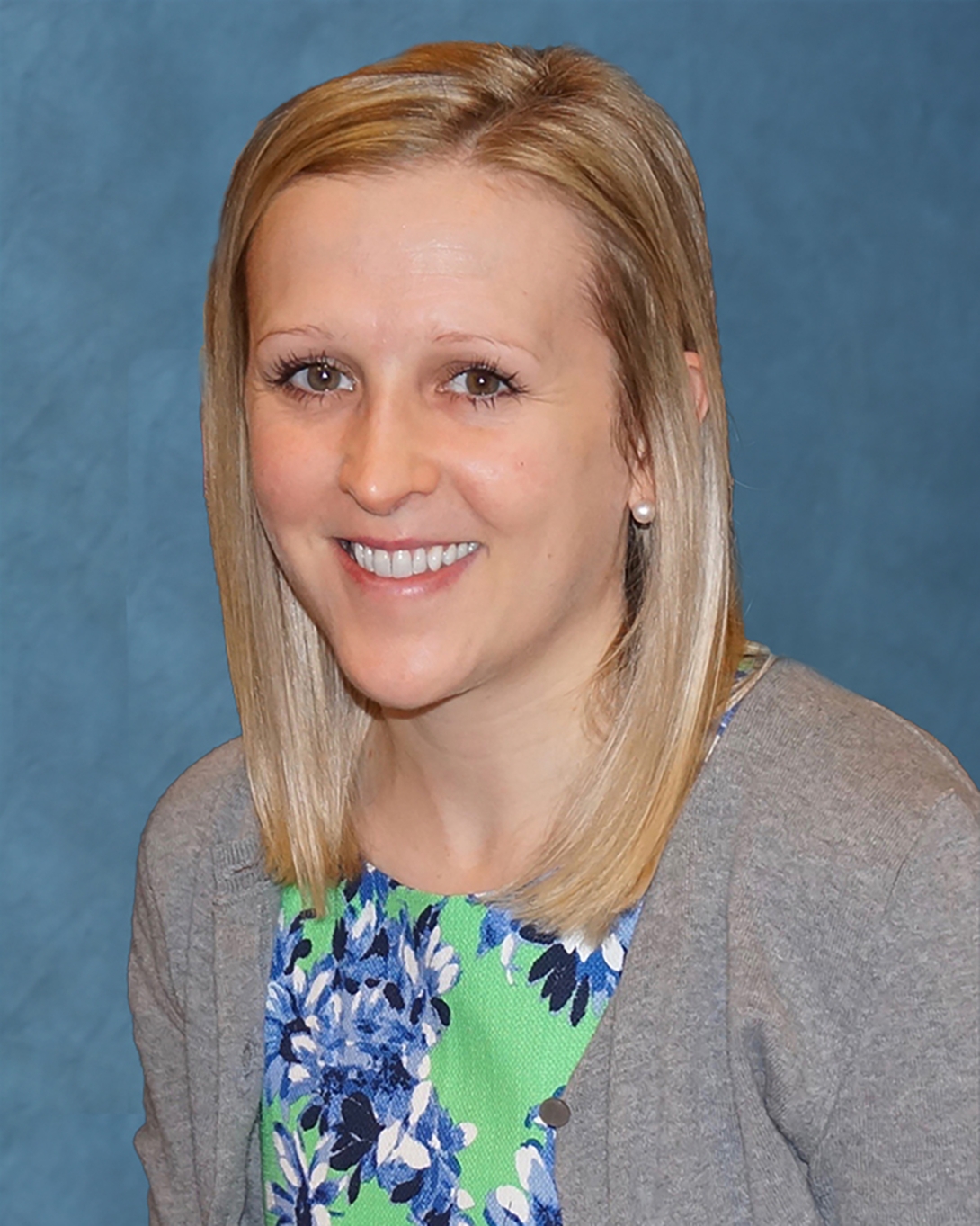
Ashlee E Holman, MD, FAAP
Medical School
Rebecca Hong, MD
Program Director and Assistant Medical Director
Anesthesiology
Medical School

Mark Korenke, MD
Associate Medical Director, Anesthesiology
Assistant Medical Director, Anesthesiology
Medical School
Thomas T Klumpner, MD
Clinical Associate Professor of Obstetrics and Gynecology
Program Assistant, Anesthesiology
Associate Chief Medical Information Officer, Medical School
Sean P Maxwell, MD
Clinical Assistant Professor of Obstetrics and Gynecology and Assistant Medical Director
Anesthesiology
Medical School
Rebecca Nause-Osthoff, MD
Program Director
Program Assistant
Medical Director and Assistant Medical Director
Anesthesiology
Medical School
Emily E Peoples, MD
Program Director
Assistant Medical Director and Program Assistant
Anesthesiology
Medical School
Timothy R Reynolds, MD
Assistant Medical Director, Anesthesiology, Medical School
Lauryn R Rochlen, MD
Program Associate
Associate Chair for Faculty Affairs, Anesthesiology
Clinical Professor of Learning Health Sciences, Medical School
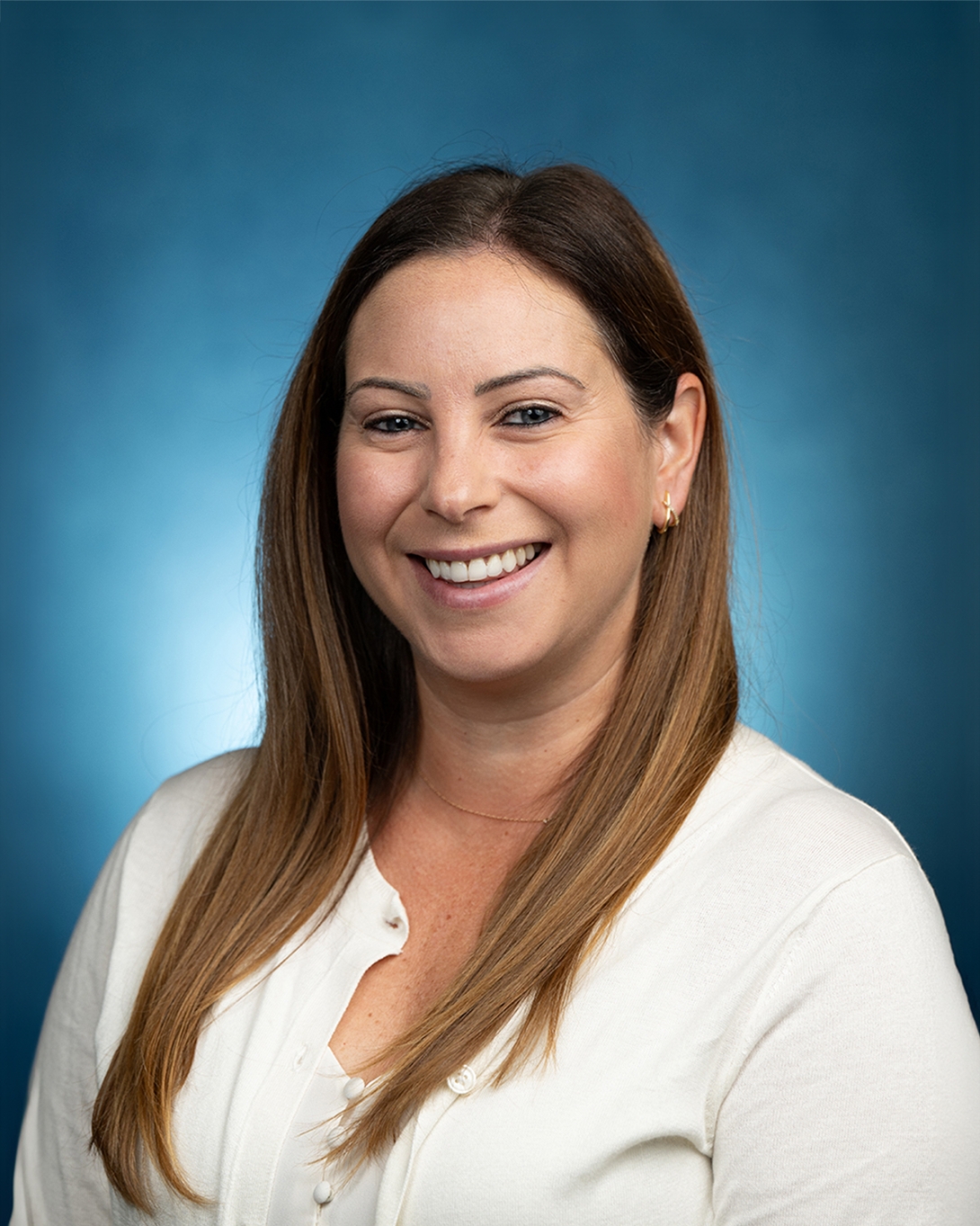
Danielle Saab, MD
Assistant Medical Director and Program Associate
Anesthesiology Medical School

Sindhu Nandana Samba, MD
Program Assistant, Anesthesiology
Medical School
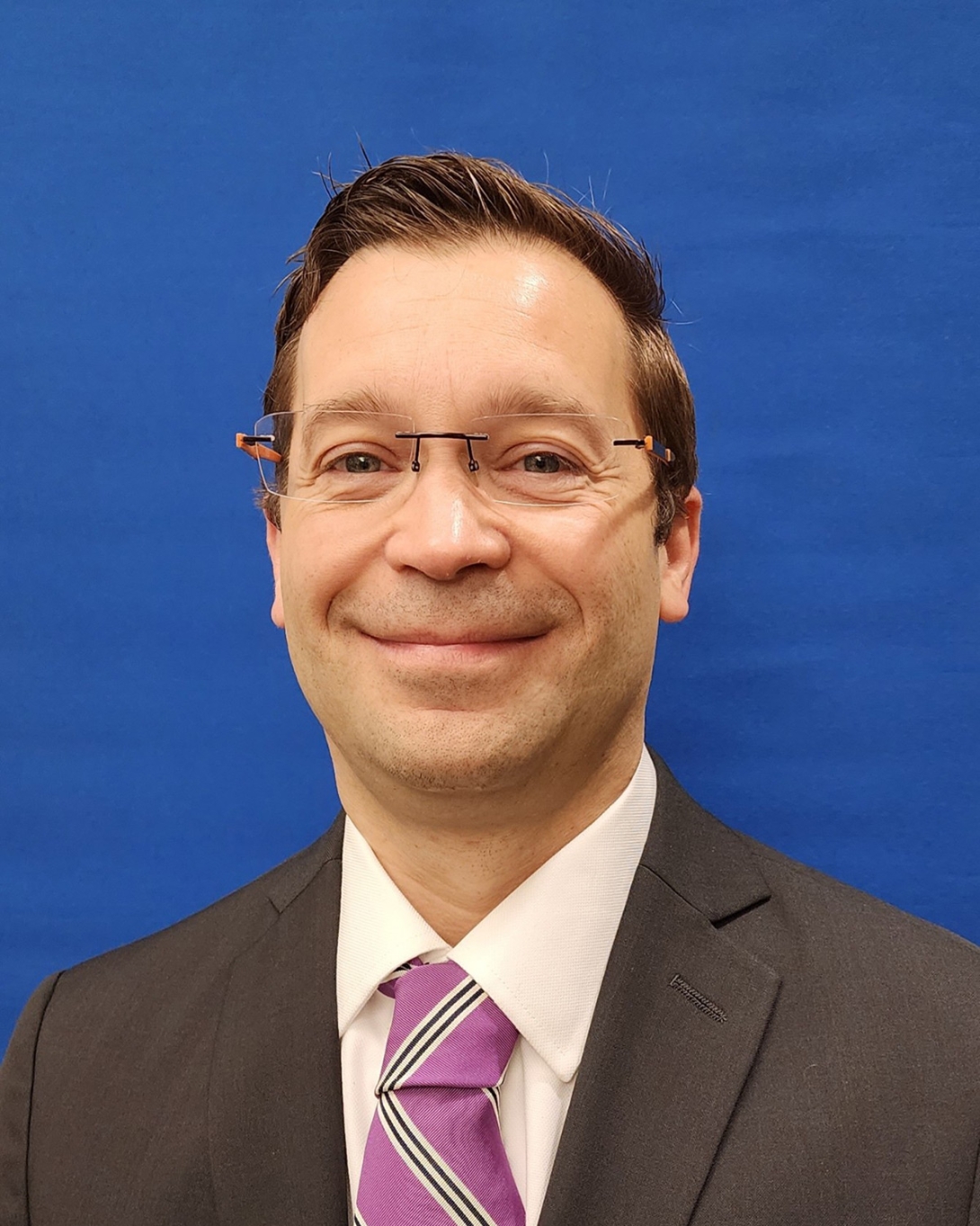
Matthew Sigakis, MD
Program Associate, Anesthesiology
Medical School
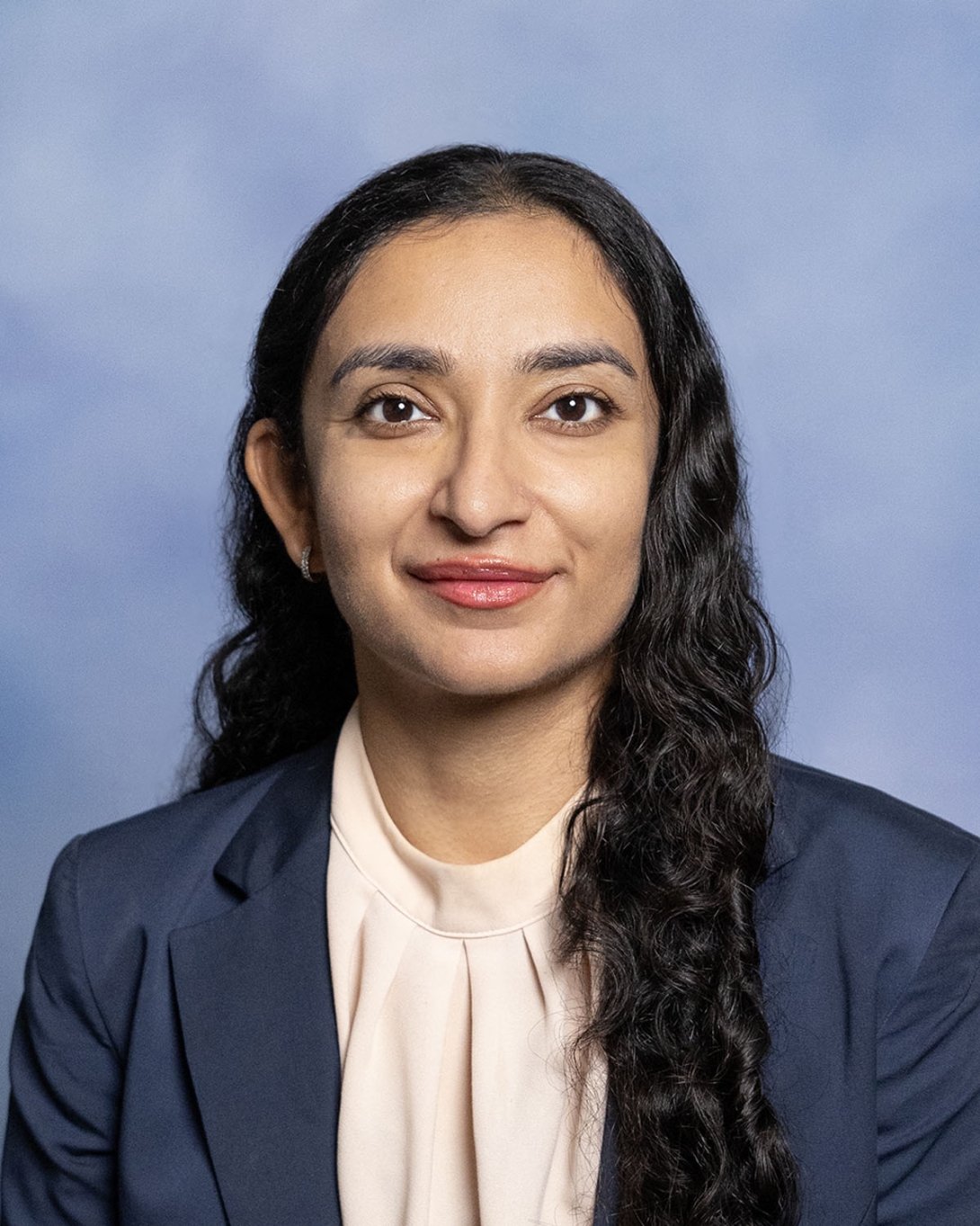
Shubhangi Singh, MBBS
Clinical Assistant Professor of Obstetrics and Gynecology
Medical School
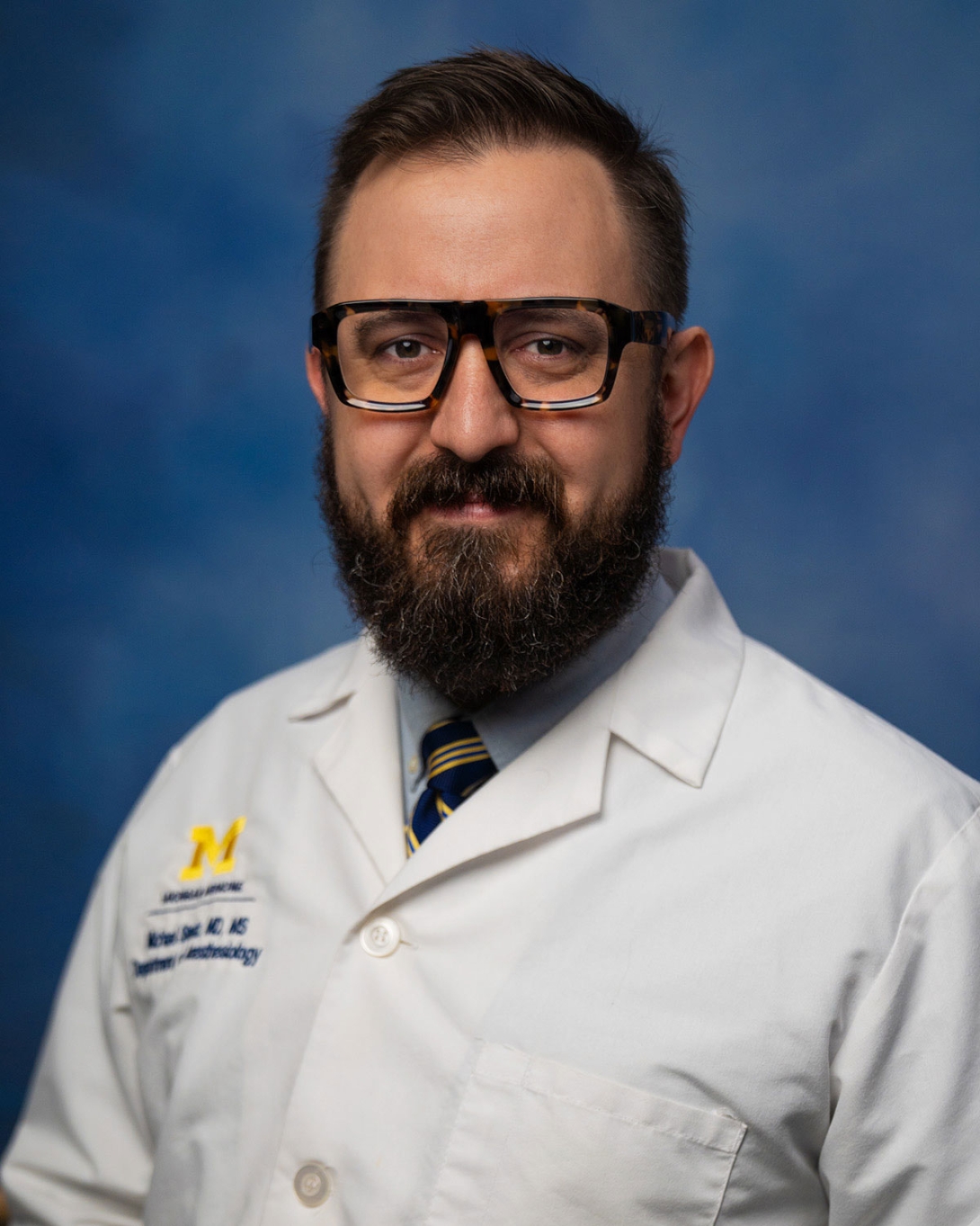
Michael Stentz, MD
Associate Chair for Adult Anesthesiology
Pavilion and MPLAN Medical Director for Adult Anesthesia
Medical School
Margaret C Stewart, MD
Section Head
Multispecialty Anesthesia
Pediatrics and Assistant Medical Director
Anesthesiology
Medical School
Vijay Tarnal, MBBS, FRCA
Clinical Professor of Neurosurgery
Section Head of Neurosurgical Anesthesia
Assistant Medical Director and Program Associate
Anesthesiology
Medical School
Derek Thomas Woodrum, MD
Program Assistant, Anesthesiology, Medical School
Amy Elizabeth Young, MD
Medical School
