Nicole M Koropatkin, PhD

Manage Your Profile
About
My lab seeks to understand how human gut bacteria recognize and import the carbohydrates that transit the intestinal environment. The glycan landscape of the gut is constantly changing through the variety of foods that we eat. Mucus shed from the epithelial lining contains complex sugars that are also food for these bacteria. The types and abundance of these different carbohydrates shapes the composition of the gut community. In other words, our diet, in part, determines which bacteria we carry in our intestine. This is important because these bacteria produce metabolites, including short chain fatty acids and processed host bile acids, that influence our health and the outcome of various diseases such as diabetes, obesity, colorectal cancer, and inflammatory bowel disease.
Our work is “bacteriocentric” in that we study the unique physiological features of gut bacteria that allows them to harvest carbohydrate nutrition and therefore thrive in the host. Much of our work is centered on the structure and function of bacterial cell surface proteins that directly recognize, process, and import carbohydrates. A primary technique we use to understand this process is x-ray crystallography, which allows us to visualize the molecular features of this interaction. We also use biophysical techniques such as isothermal titration calorimetry to measure the affinity and energetics of protein-carbohydrate interactions. We can then make predictions about how individual proteins drive glycan uptake and test hypotheses in vivo by deleting or mutating the genes encoding these proteins to determine how bacterial growth is affected. By collaborating with our colleagues on campus, including Julie Biteen (Chemistry, single molecule imaging), Brandon Ruotolo (Chemistry, native mass spectrometry) and Melanie Ohi (LSI, cryoEM), we can comprehensively examine how bacteria cell surface proteins move, interact with substrate, and assemble into functional complexes.
Qualifications
-
Postdoctoral TrainingDonald Danforth Plant Science Center, St Louis, United States
2005 - 2009
-
PhDUniversity of Wisconsin, Madison, WI, United States
1998 - 2004
-
BSPennsylvania State University, State College, PA, United States
1994 - 1998
Center Memberships
-
Center MemberRogel Cancer Center
Research Overview
Bacteroides, Carbohydrate-Active Enzymes, Glycoside Hydrolases, Resistant Starch, Lipoproteins, Structural Biology, Protein Biophysics
Recent Publications
-
Koropatkin N. 2025 Jan 1;PresentationMicrobial Carb Loading: How Gut Bacteroides Eat Starch
-
Tagoe INA, Kaur A, Quaye O, Tagoe EA, Koropatkin N, Satin LS, Raghavan M. 2026 Sep 22; eLife Sciences Publications, Ltd,PreprintMolecular and Functional Analysis of Calcium Binding by a Cancer-linked Calreticulin Mutant
DOI:10.7554/elife.109647 -
Cadigan MC, Fuentes NR, Salmen W, Roberts JR, Ruotolo B, Ohi MD, Koropatkin NM. 2026 Sep 21; bioRxiv,PreprintStructural analyses of a heterodimeric SusCD complex captures intermediate states of maltooligosaccharide transport
DOI:10.64898/2026.09.16.752182 -
Porter NT, Kmezik C, Lee YH, Siewers V, Pope PB, Koropatkin N, Martens E, Larsbrink J. Applied and Environmental Microbiology, 2026 May 1; 92 (5):Journal ArticleA system for transferring large genetic loci in Bacteroides enables hemicellulose utilization in Bacteroides thetaiotaomicron and characterization of a locus from an uncultivated strain
DOI:10.1128/aem.00176-26 PMID: 42007719 -
Armbruster KM, Trickannad R, Scott NE, Pudlo NA, Wotring JW, Martens EC, Sexton JZ, Koropatkin NM. 2026 Feb 6;PreprintIdentification and characterization of the functional LolB ortholog in Bacteroides.
DOI:10.64898/2026.02.05.704107 PMID: 41676706 -
Widén T, McKee LS, Koropatkin N, Larsbrink J. 2026 Feb 3; bioRxiv,PreprintCharacterization of an α-glucan-binding module from Flavobacterium johnsoniae as a founding member of carbohydrate-binding module family XXX
DOI:10.64898/2026.01.30.702845 -
Ndeh DA, Nakjang S, Kwiatkowski KJ, Sawyers C, Koropatkin NM, Hirt RP, Bolam DN. Nature Communications, 2025 Dec 1; 16 (1):Journal ArticleA Bacteroides thetaiotaomicron genetic locus encodes activities consistent with mucin O-glycoprotein processing and N-acetylgalactosamine metabolism
DOI:10.1038/s41467-025-58660-2 PMID: 40216766 -
Koropatkin N. 2026 Jan 12;PresentationMicrobial Carb Loading: How Gut Bacteroides Eat Starch
Featured News & Stories
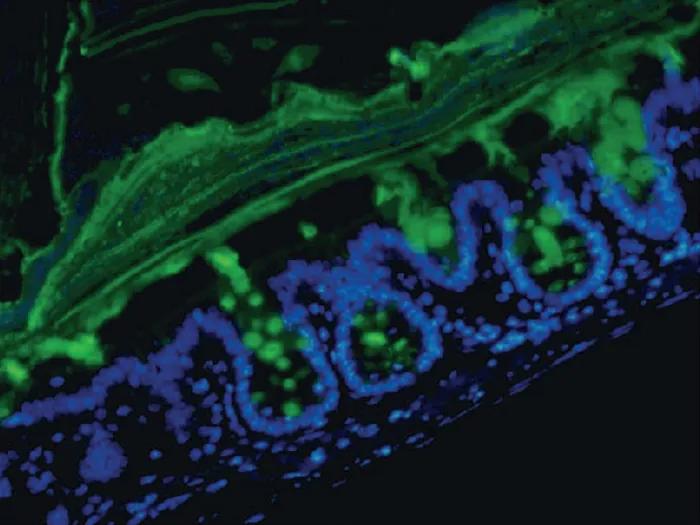
What we do in M&I: A gutsy dive into the microbiome
More clues reveal how gut bacteria works
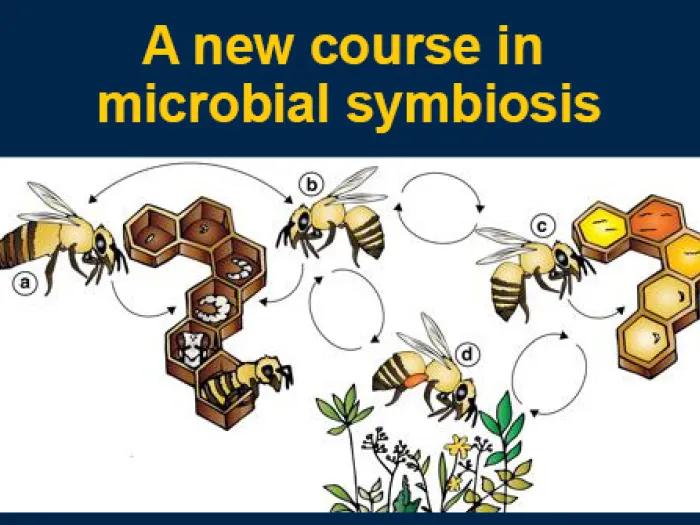
This Winter, explore microbial symbiosis