
Danielle Jimenez
Communications Specialist, Department of Emergency Medicine
Danielle Jimenez has spent 15 years sharing stories that connect people and inspire change, with experience spanning healthcare, government, the military, and nonprofits. At Michigan Medicine’s Department of Emergency Medicine, she shines a light on the people, research, and innovations shaping the future of emergency care. She’s passionate about making complex ideas clear and compelling, celebrating the people behind the work, and using storytelling to build understanding and spark action. Contact [email protected]
Department News
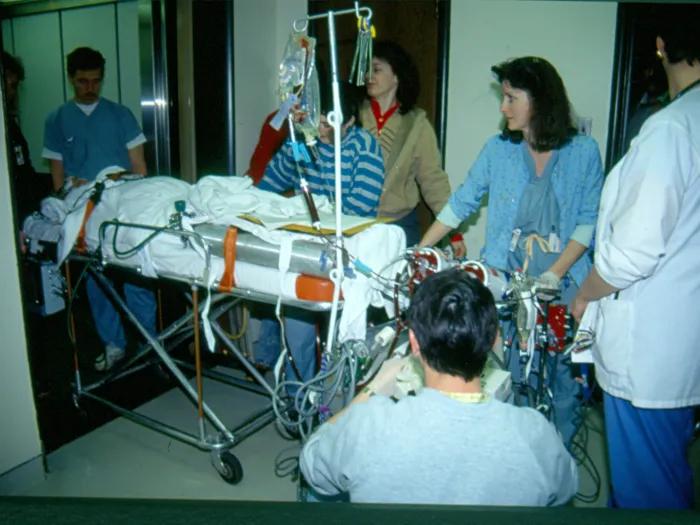
The Long Road to Emergency Medicine: How Michigan Built a New Specialty
Michigan Emergency Medicine evolved from a small emergency service into an independent department and national leader in care, research and education.
Department News
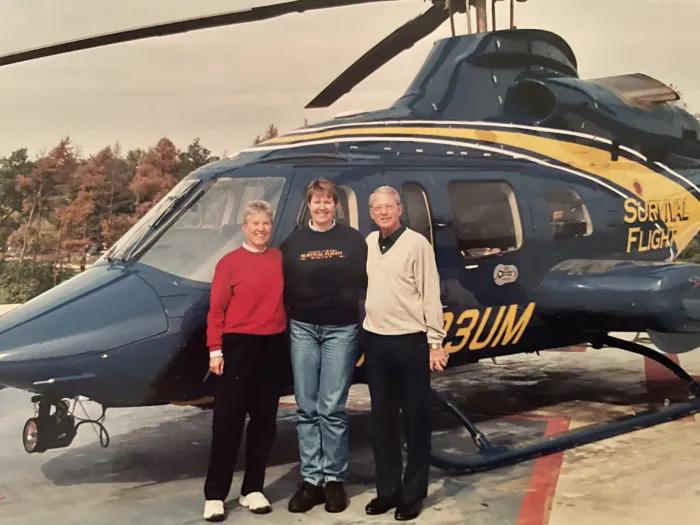
Miracle Man: Saved in a High-Risk Winter Flight, 24 Years Later, a Family Still Gives Thanks
In February 2002, Brian Campbell suffered a heart attack and became critically ill at a Kalamazoo hospital. With his condition rapidly worsening, a University of Michigan Survival Flight team was called to transport him to Ann Arbor for advanced care. Flight nurse Elaine Philipson and her partner worked through subzero temperatures and deep snow to safely prepare Brian for the flight, overcoming several challenges along the way.
Brian spent two weeks hospitalized at U-M and later suffered a stroke, but survived. Philipson continued checking on Brian and his wife, Sue, even after the transport was complete—an act of compassion the couple never forgot.
Twenty-four years later, Brian continues moving forward despite ongoing challenges. Each year on the anniversary of his flight, the Campbells contact Philipson to express their gratitude, a lasting reminder of the profound impact healthcare teams can have on patients and families long after an emergency ends.

Health Lab
E-bikes are faster than ever. Are families prepared for the risks?
As e-bikes and e-scooters grow in popularity, Michigan Medicine experts are warning families that many riders and parents may not fully understand the speeds these devices can reach or the injuries that can follow when things go wrong.

Department News
Finding Joy in Leadership: Brian Zink, MD, on Coaching, Purpose and the Next Phase of Academic Medicine
Leadership in academic medicine can come with challenges that are rarely talked about— isolation, burnout, and making tough decisions.
“Leadership positions can feel lonely, particularly for new leaders,” said Brian Zink, MD, Senior Advisor and Adjunct Professor of Emergency Medicine at the University of Michigan. “There is often a sense of vulnerability and even imposter syndrome when you assume these roles.”
Dr. Zink has been in many leadership positions in academic medicine for over 30 years, including nearly 12 years as chair of emergency medicine at Brown University and Senior Associate Dean for Faculty and Faculty Development at UMMS. He has entered what he calls “a next phase of life,” instead of retirement. He is now helping others navigate the pressures of leadership through coaching, mentorship, and faculty development.
“The big thing that I'm trying to help people with is how to have a satisfying, enjoyable life, and how to find joy in their leadership role,” Dr. Zink said. “Leadership can be very time-consuming, very intense. I want to help leaders find clarity, confidence, and balance in their careers.”
He began his career at Michigan Emergency Medicine in 1992 as one of the department’s first faculty members. Early on, his early career focused on alcohol effects and trauma research. Afterward, he transitioned into leadership roles in the medical school before becoming chair at Brown, where he helped lead and grow their emergency medicine department for nearly 12 years.
Department News
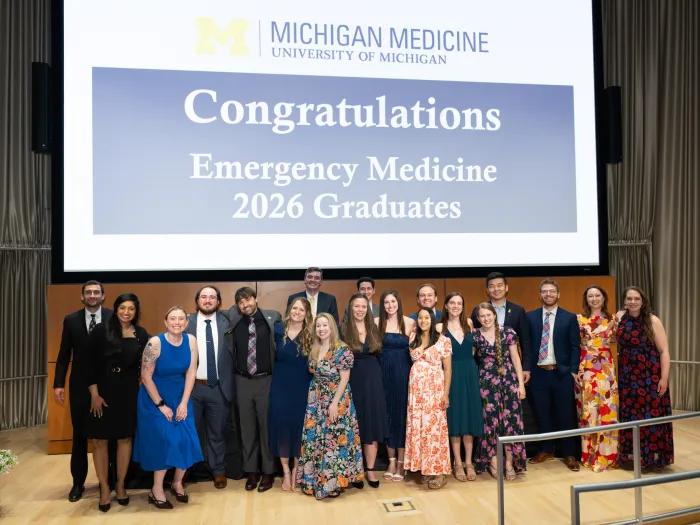
Emergency Department Celebrates 2026 Residency and Fellowship Graduates
Flowers, applause, and proud smiles filled the room as the Department of Emergency Medicine celebrated its 2026 residency and fellowship graduates on June 12.
Surrounded by family members, friends, faculty mentors, and even children, graduates marked the culmination of years of rigorous training and the beginning of careers dedicated to caring for patients during life's most critical moments.
“It's because of you that many patients have been healed,” said Prashant Mahajan, MD, MPH, MBA, Department Chair. “Since many will not celebrate you, I want you to celebrate yourselves.”
The ceremony recognized 16 graduating emergency medicine residents and seven fellowship graduates who will continue their careers in emergency medicine, critical care, medical education, pediatric emergency medicine, and emergency medical services across the country.
Health Lab
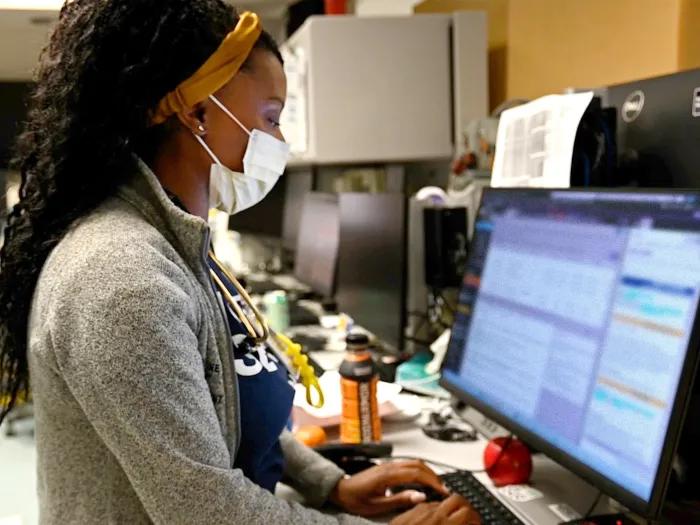
How AI is helping emergency physicians learn from their patients
How the “Tell Me What Happens Next” initiative is being used by the Department of Emergency Medicine’s new Division of Clinical Informatics using artificial intelligence.

Department News
U-M Emergency Medicine Helps Bring Pre-Hospital Blood Transfusions to Genesee County EMS
Emergency medical services (EMS) teams in the county are now prepared to administer blood transfusions in the field, a capability currently available in only about 1–2% of EMS agencies nationwide. The effort, led in part by University of Michigan Department of Emergency Medicine faculty and residents, launched on May 1, 2026.
Department News
From Patient Art to Lifesaving Impact
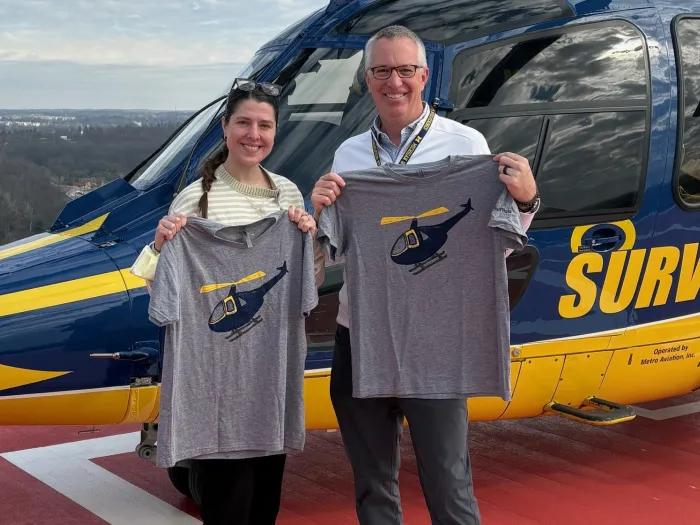
This year’s annual Survival Flight t-shirt fundraiser features artwork designed by a young patient at C.S. Mott Children’s Hospital—an opportunity made possible through a partnership with the Child & Family Life team. What began as a therapeutic outlet for patients has grown into a meaningful way to help the mission of emergency care.
Department News
Barsan Day Highlights Emergency Medicine Research and Innovation
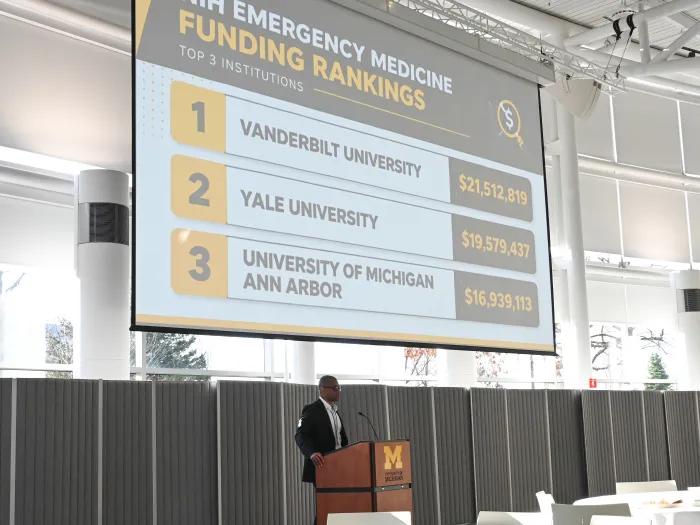
From artificial intelligence and cardiac arrest innovation to national clinical trials and education research, the University of Michigan Department of Emergency Medicine’s annual Barsan Research Day showcased the research shaping the future of emergency care.
Department News
AI in U-M Emergency Medicine
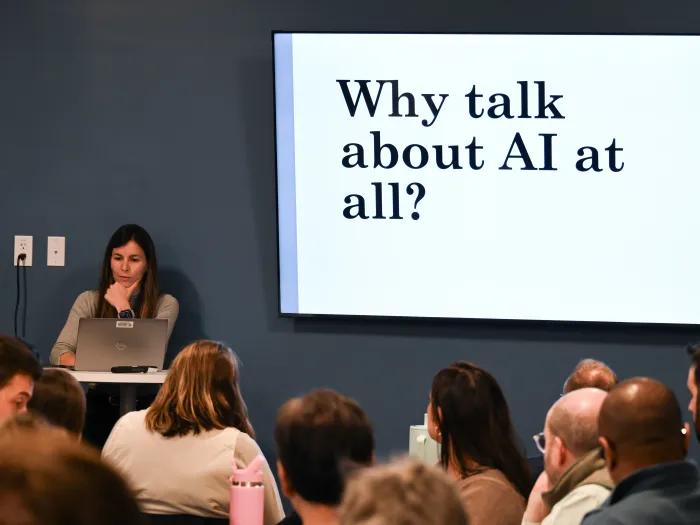
Artificial intelligence (AI) is reshaping medicine at a dizzying pace that is both exciting and disorienting, especially for emergency clinicians already carrying heavy cognitive loads in one of the most demanding specialties in healthcare.
This is why the University of Michigan Department of Emergency Medicine devoted its recent all-faculty retreat to the subject—not as a technology trend to chase, but as one of three strategic Chair Initiatives shaping the department’s future.
Department News
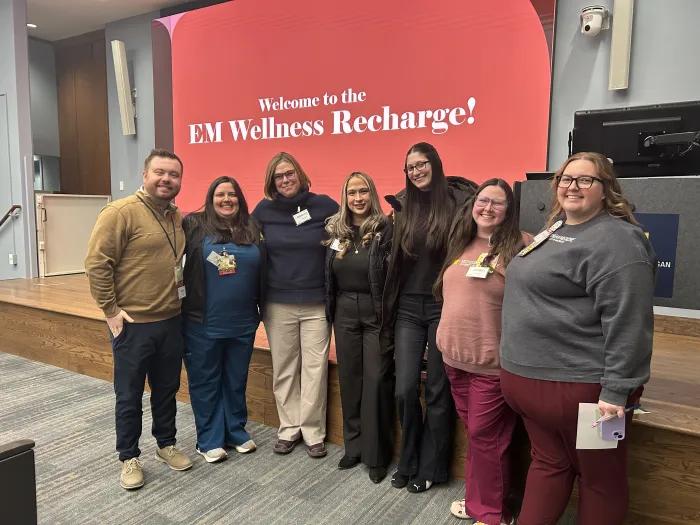
Recharge and Reconnect: Emergency Medicine wellness event brings community together
More than 70 faculty and staff from across the U-M Department of Emergency Medicine came together on February 24 for a department-wide “Recharge and Reconnect” wellness event, where attendees were given space for reflection, connection, and meaningful conversation.
Department News
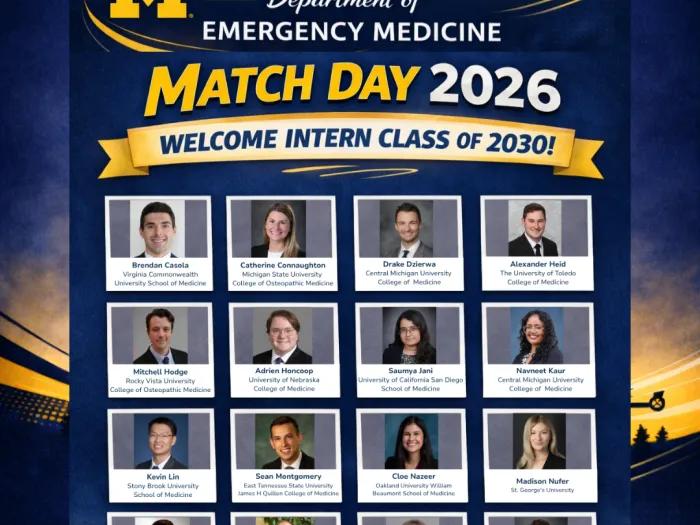
Match Day 2026: Welcoming the Emergency Medicine Intern Class of 2030
The University of Michigan Department of Emergency Medicine is proud to welcome its incoming intern class following Match Day 2026. This exceptional group of residents joins us from medical schools across the country, bringing diverse experiences, strong clinical foundations, and a shared commitment to advancing emergency care.
Department News
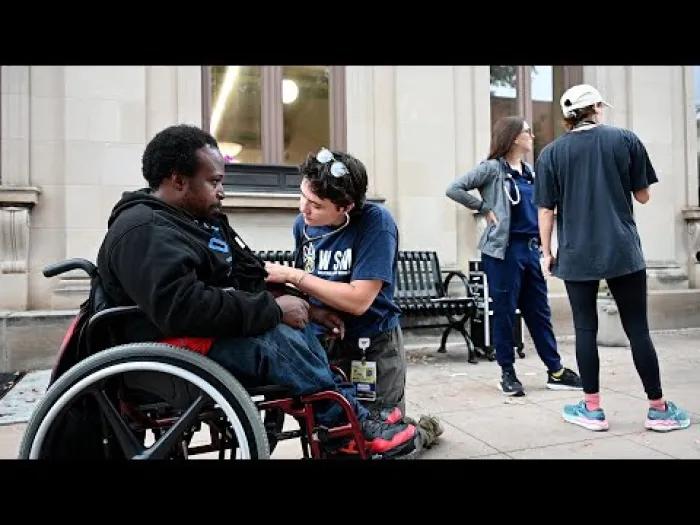
Wolverine Street Medicine: Bringing Compassionate Care to Michigan’s Unhoused Communities
Weekly groups of medical students and clinicians from the University of Michigan team up with medical supplies to help Michigan’s unhoused communities.
They are part of Wolverine Street Medicine (WSM), a student-led group at the medical school that provides medical care to people experiencing homelessness in Washtenaw County and Detroit. They are supported by faculty in Emergency Medicine and Family Medicine and work collaboratively with street medicine groups from Wayne State, Michigan State, CHASS Clinic, and the City of Detroit.

Department News
Building a More Sustainable Emergency Department
Across the University of Michigan Department of Emergency Medicine, sustainability has become an increasingly important part of delivering care. Through efforts to reduce waste, expand recycling, and prepare communities for climate-related health risks, the department’s Green Team is working to make sustainability part of everyday practice.
Department News
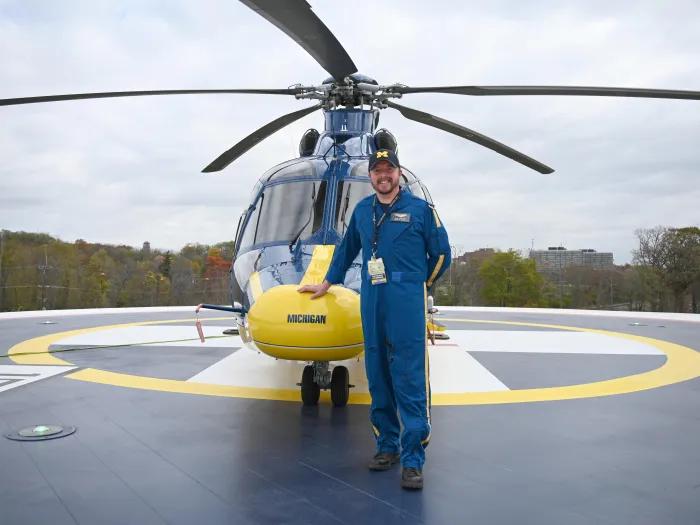
From paramedic to medical director
When Dr. Nate Hunt accepted the role of Medical Director for Survival Flight at the University of Michigan (U-M), it marked the realization of a vision that has guided nearly every step of his career.
