EXposure & PhenOtyping Study Examining ALS (EXPOSE-ALS)
The EXPOSE-ALS Study wants to understand the impact of environmental exposures on health, particularly risk of ALS and other neurodegenerative diseases.

Environmental toxins can impact the development of amyotrophic lateral sclerosis (ALS) and other neurodegenerative diseases like Parkinson’s disease and dementias such as Frontotemporal Dementia (FTD) and Alzheimer’s disease.
The EXPOSE-ALS Study wants to understand the impact of environmental exposures on health, particularly risk of ALS and other neurodegenerative diseases. Our goals are to:
- Understand how environmental toxins and exposures in the home and work environment can contribute to the development of neurodegenerative diseases such as ALS, Parkinson’s disease, and dementias.
- Learn how to detect symptoms of these neurodegenerative diseases early, before symptoms are noticeable.
- Learn how to develop strategies to help prevent the onset of diseases like ALS and neurodegeneration.
The study is open to men and women age 18 and over. Participants will fill out questionnaires throughout the year and provide a sample of DNA (collected via saliva or a swab of your mouth and sent via mail). The EXPOSE-ALS Study is run through the NeuroNetwork for Emerging Therapies and the ALS Center of Excellence at the University of Michigan.
Contact Us
EXPOSE-ALS
300 N Ingalls
Room 3D02 SPC 5431
Ann Arbor, MI 48109-5431
UM IRB Application Number: HUM00229303
FREQUENTLY ASKED QUESTIONS
People that have a family history of neurodegenerative conditions such as ALS or dementia or have certain occupational exposures may be at higher risk of neurodegeneration. We are attempting to understand how such exposures impact health. Information learned from this study may help us learn about whether and how these environmental exposures cause neurodegenerative health problems like ALS and dementia and may help us find ways to prevent these neurodegenerative diseases. It is important that people from all backgrounds participate in this study so that the results will apply to everyone.
No, participation is 100% remote. You will complete the consent and questionnaire on your computer or mobile device. If you're asked to provide saliva samples, we will mail those kits to your home and you will be asked to return them via pre-paid mail.
We began recruiting participants in 2023, and we will continue to follow participants for a long time (decades) thereafter to see who develops changes in neurological health.
Our research is reviewed and monitored by the University of Michigan Institutional Review Board (IRB). They ensure that the study is performed ethically and safely.
You are free to stop or pause participation or leave the study at any time without any penalty. Please tell a member of the study team if you wish to leave the study so we can remove you from our follow up lists.
In the future, there may be options, with your consent, to provide optional blood, saliva, and other biospecimen samples.
Yes, you may still complete the questionnaire portion of the study.
If you are not able to complete the activities on a smartphone, computer, or tablet, we can mail your consent and questionnaire documents.
The annual questionnaire will ask for any changes in your health and functional status to learn about things that may change over time.
Any of the tests that we perform on biofluids are for research purposes only and they do not meet the rigorous requirements for clinical testing. Thus, we are not able to return any results.
All data will be stored electronically in password protected databases on University of Michigan resources. Only the research team will have access to the data with your personal identifying information. Any data shared with other researchers will have personal identifying information (e.g., your name, date of birth, address) removed.
We will keep the information and biospecimen samples we collect from you during the study, including information we learn from analyzing your blood and saliva samples, for future research projects. We may not test these specimens for all participants in the study. This will depend on the amount of funding we have available. The results of this study could be published in an article or presentation, but will not include any information that would let others know who you are.
No, neither your insurance company nor employer will have access to any information you share with us.
Meet Our Team
Co-Principal Investigators
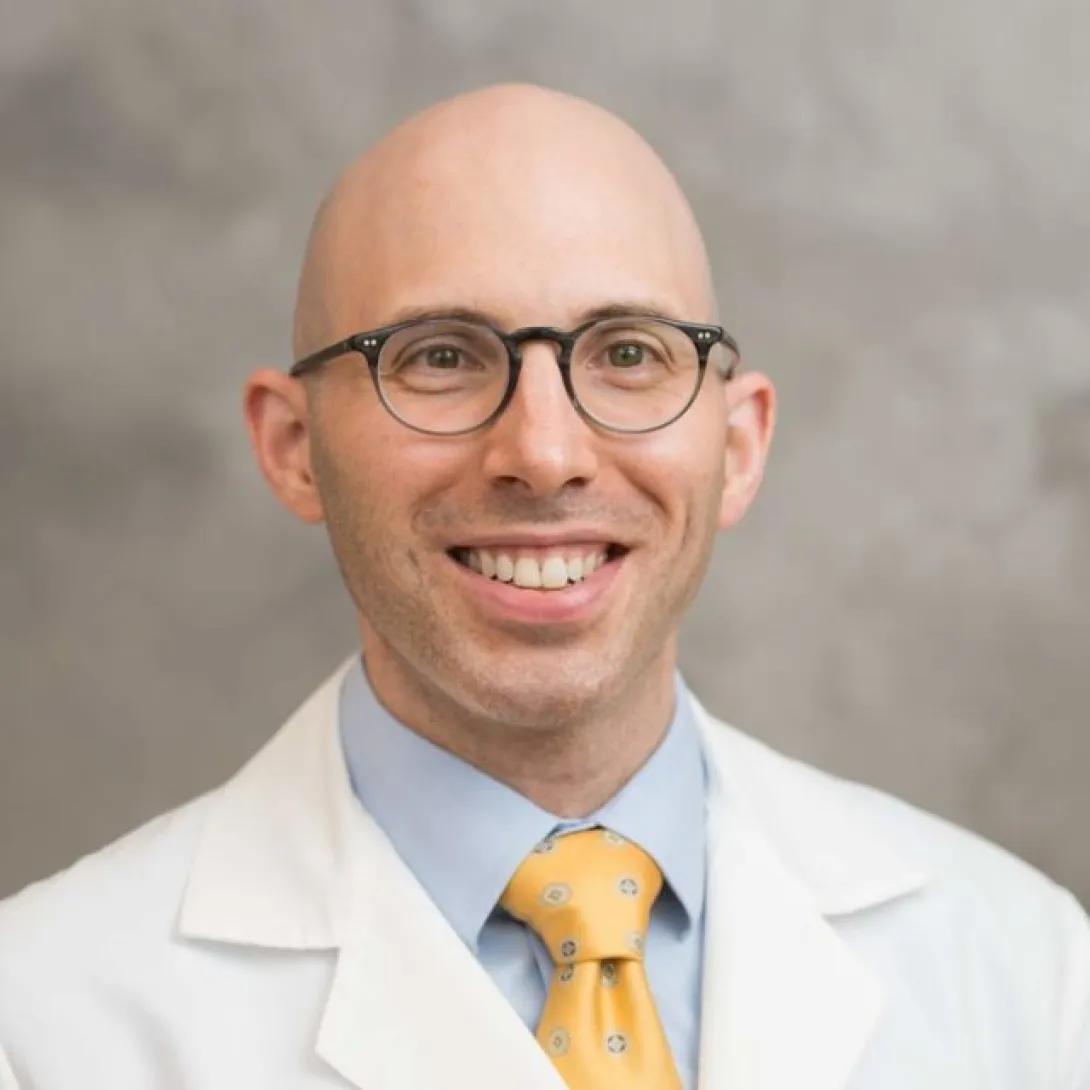
Stephen A Goutman, MD, MS, FAAN
Medical School
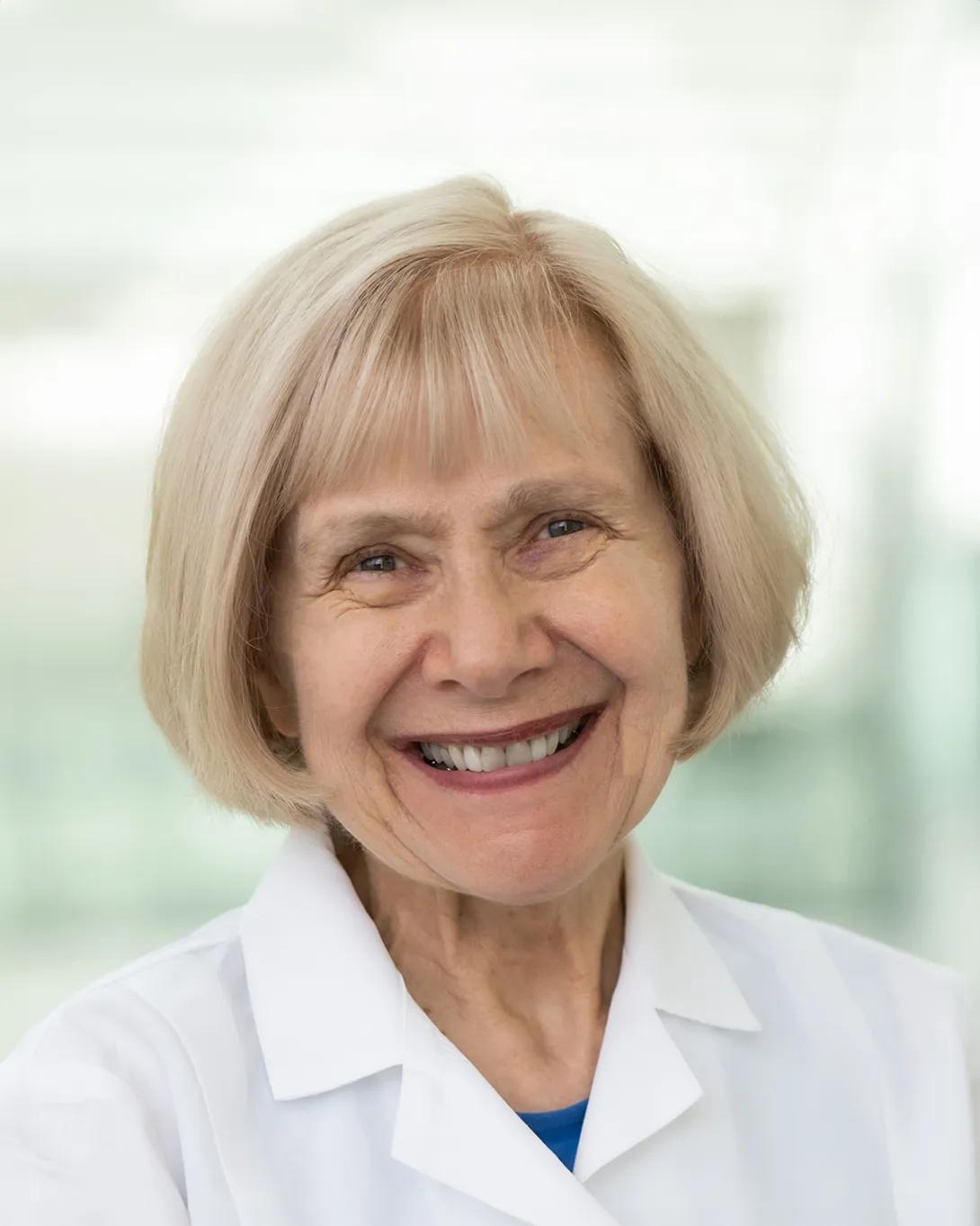
Eva L Feldman, MD, PhD
Russell N DeJong Professor of Neurology
Professor of Neurology
Professor of Neurosurgery and Section Head
Co-Division Chief Neuromuscular
Medical School
Team Members
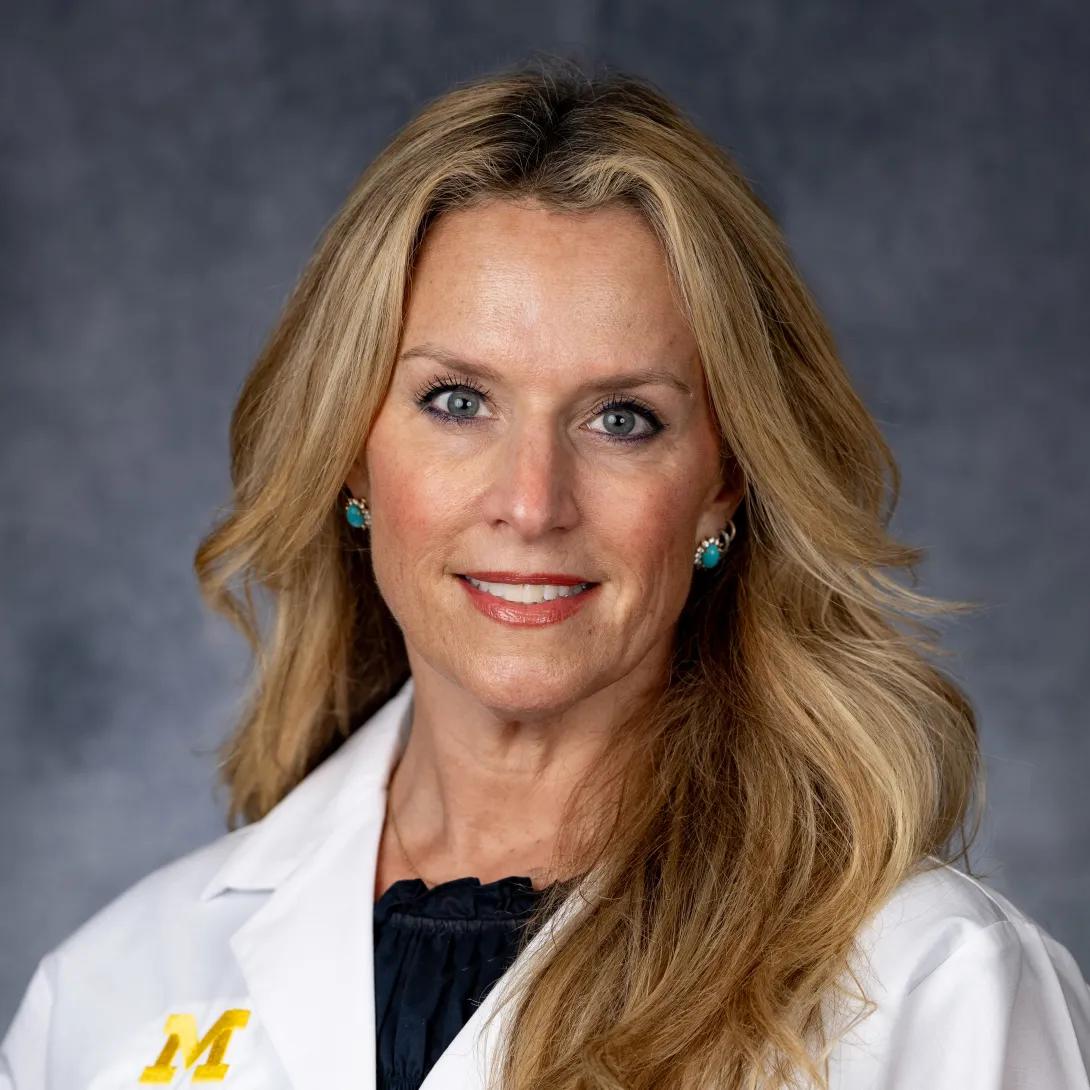
Nicole Bopp, MS
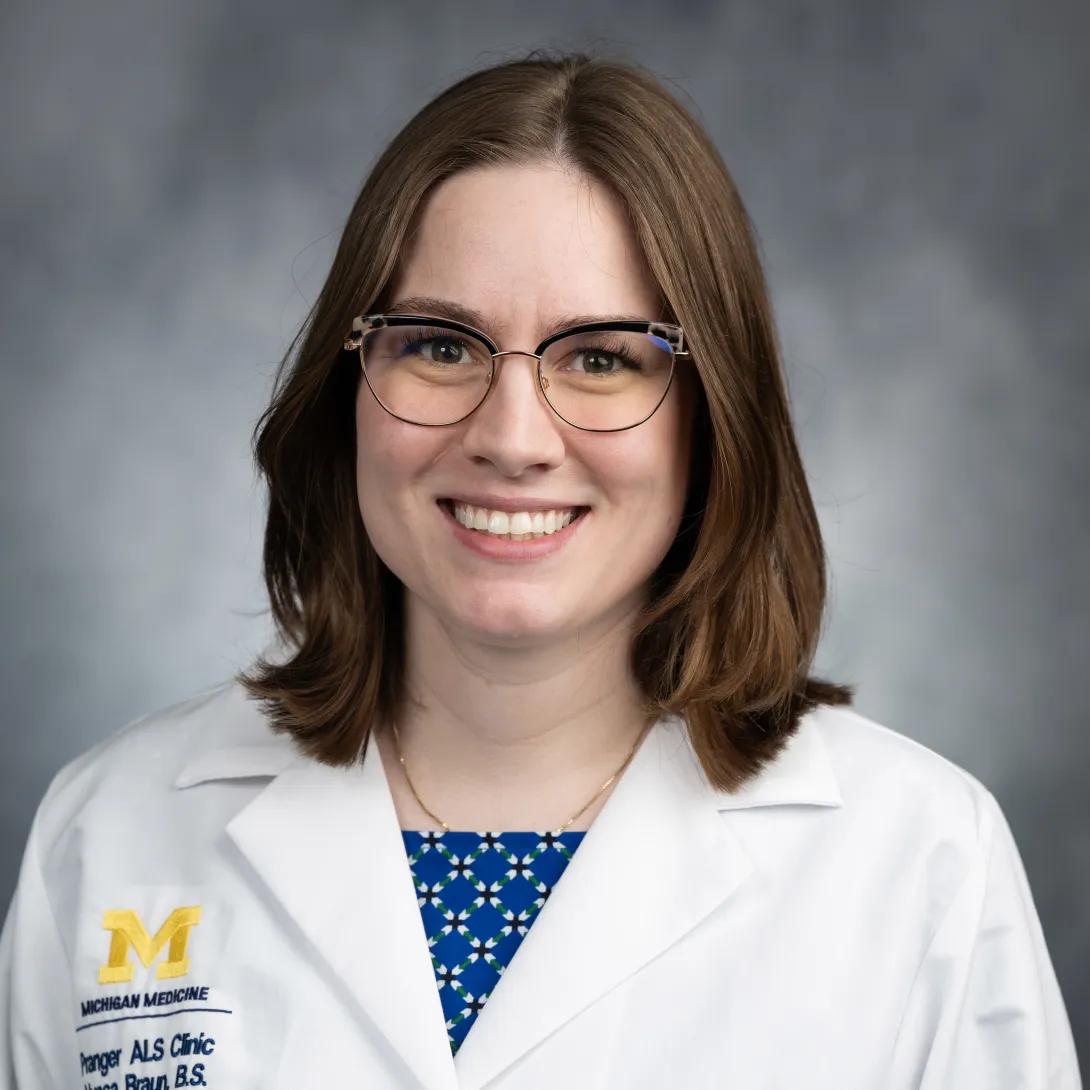
Alyssa Braun, BSPH
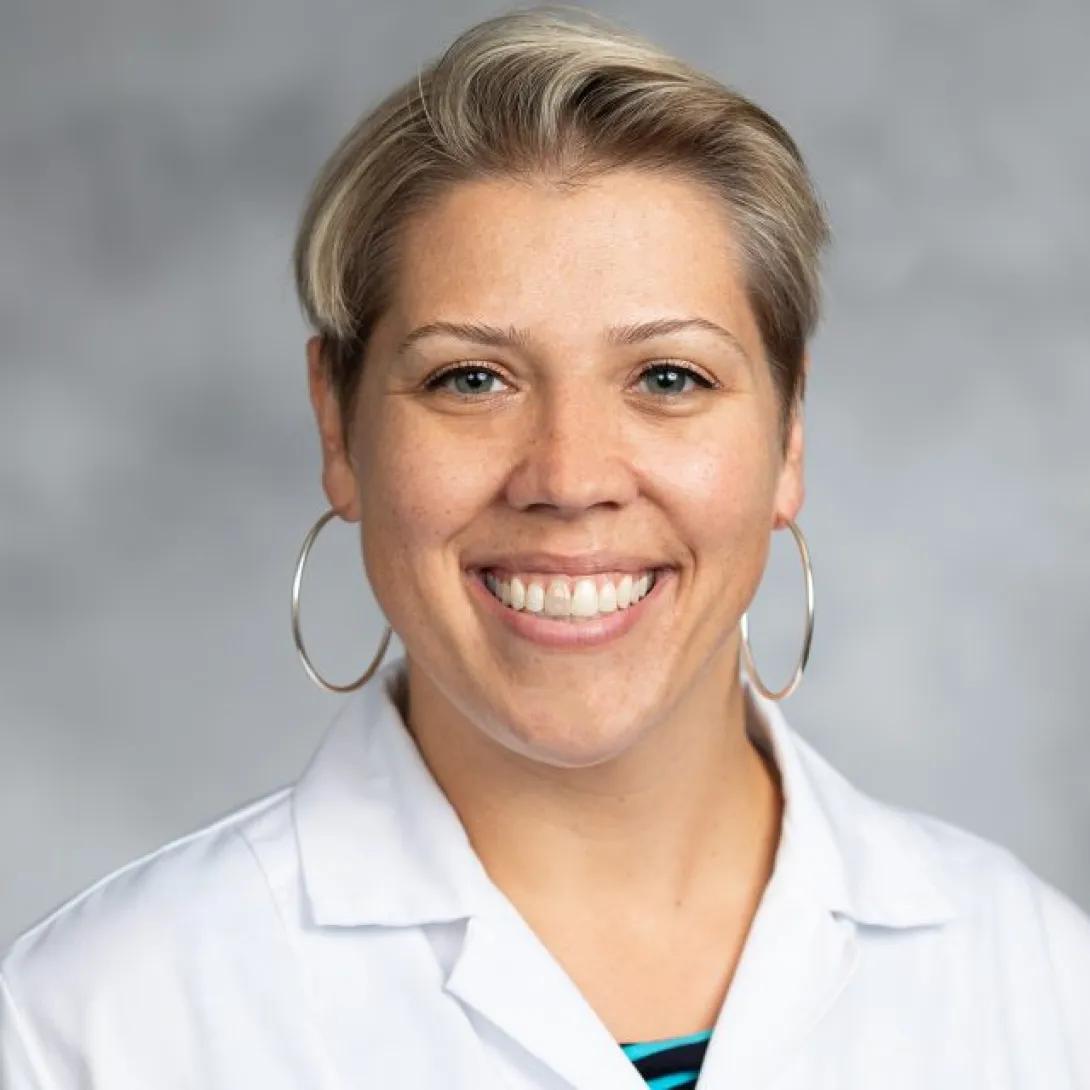
Jayna Duell, BSN, RN
Study Coordinator
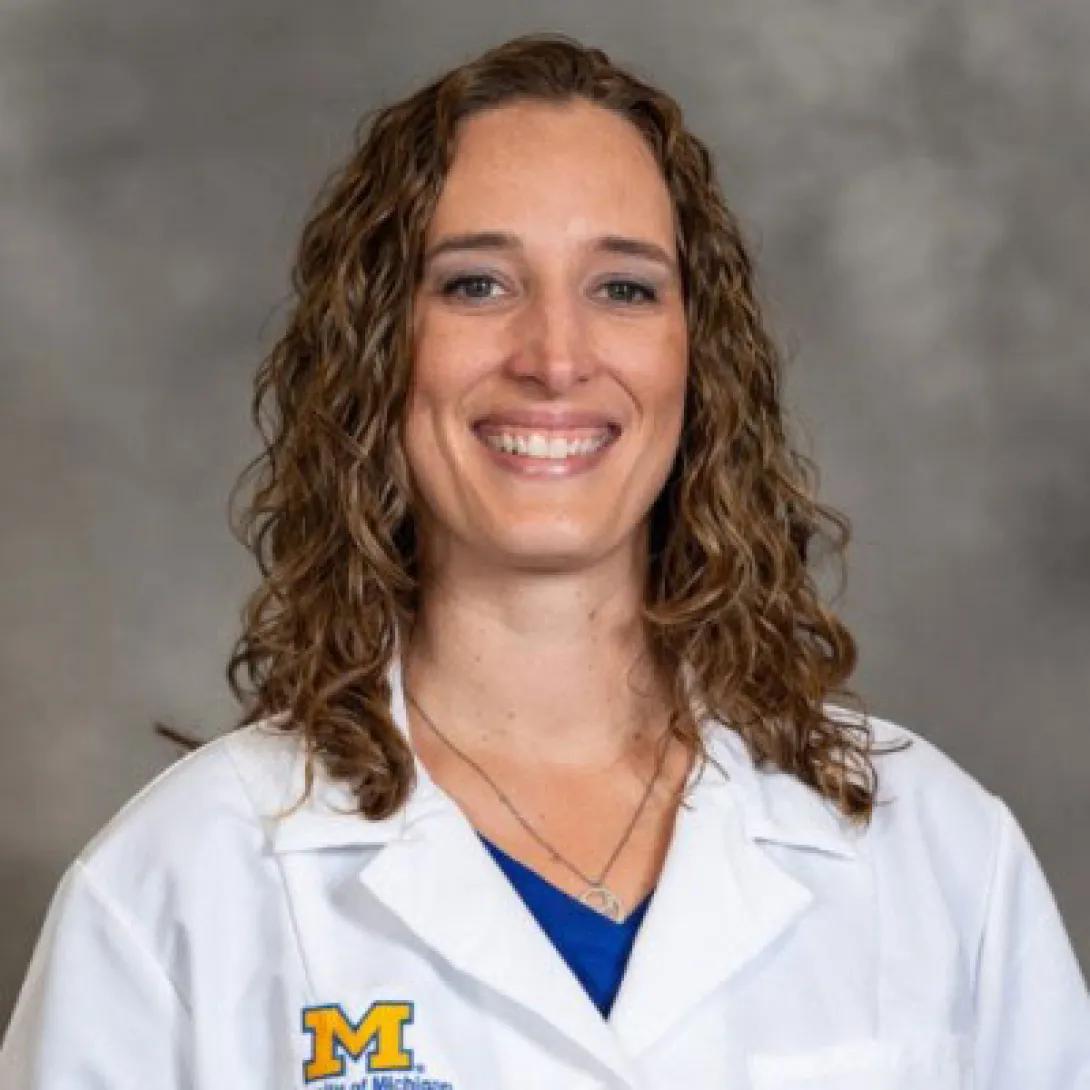
Stacey Sakowski Jacoby
NeuroNetwork for Emerging Therapies
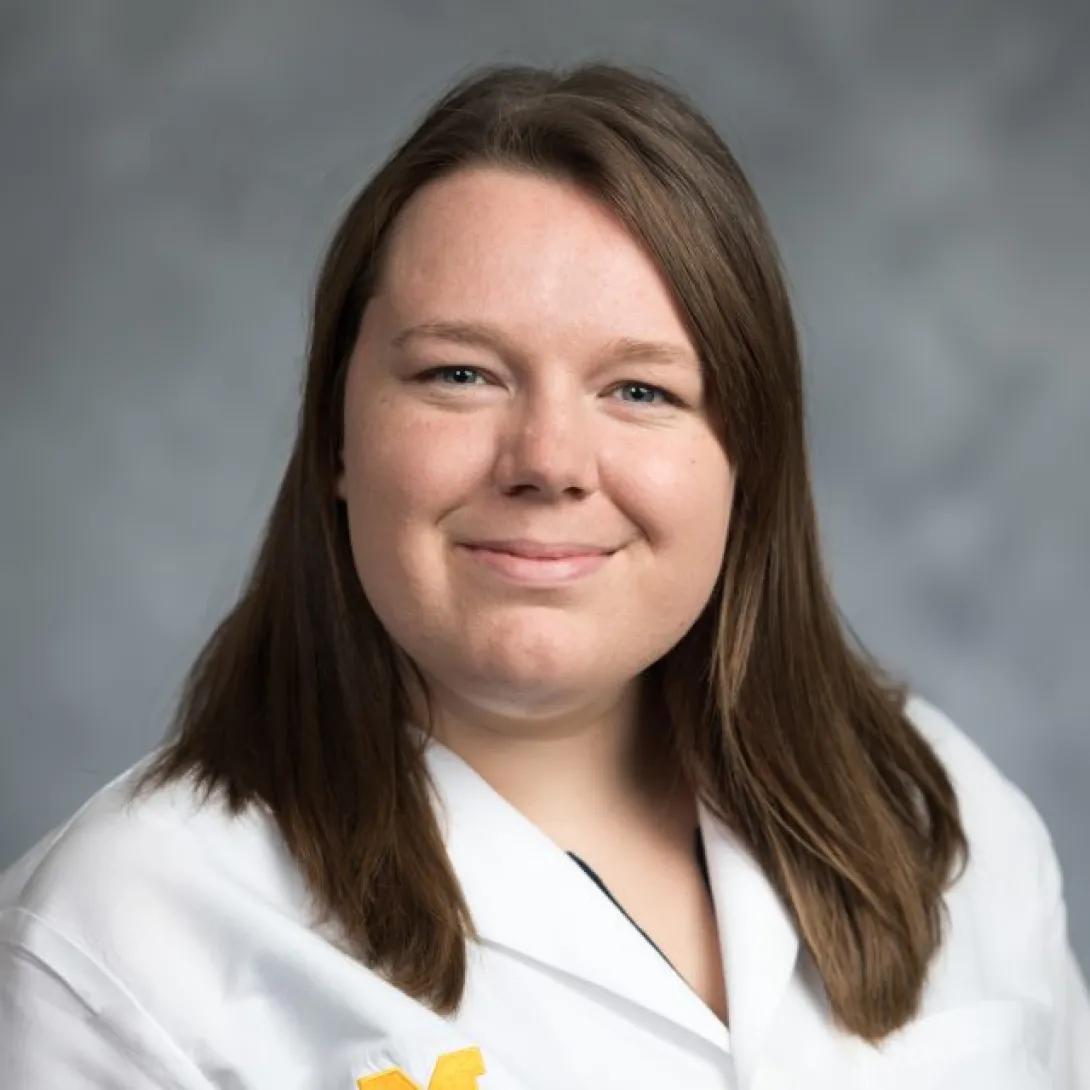
Carli Piecuch
Adam Patterson, BS, MADS