
Noah Fromson
Public Relations Representative
Fromson joined Michigan Medicine in March 2021. He covers the neurosciences and cardiovascular medicine. He spent three years as a television reporter in West Michigan and is passionate about multimedia storytelling. Contact: [email protected] Twitter: @noahfromson


Health Lab
Digital alerts support timely treatment decisions of critically ill cardiac patients
Well-designed alerts for critically ill cardiac patients can change what happens at the bedside, according to new Michigan Medicine research.
Health Lab
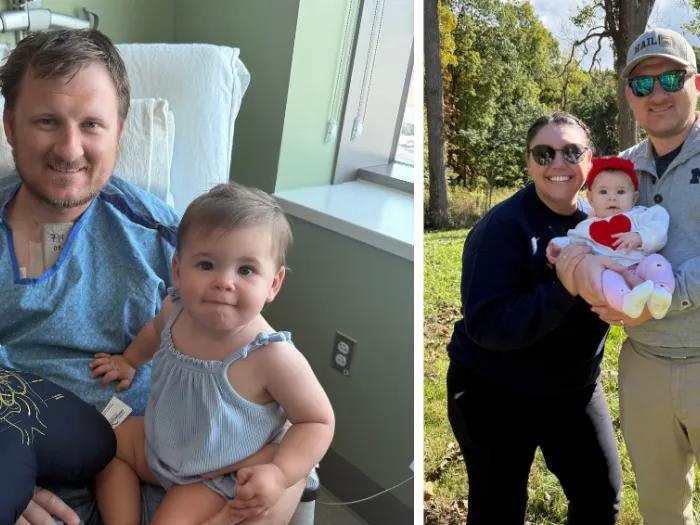
Young father survives aortic dissection after delayed diagnosis
A 28-year-old father survived a life threatening aortic dissection after seeking a second opinion, highlighting that the condition can strike young adults.
Health Lab
Can blood tests detect Alzheimer’s disease in its early stages?
A neurologist who specializes in Alzheimer's disease discusses a new generation of blood tests for the condition.
News Release
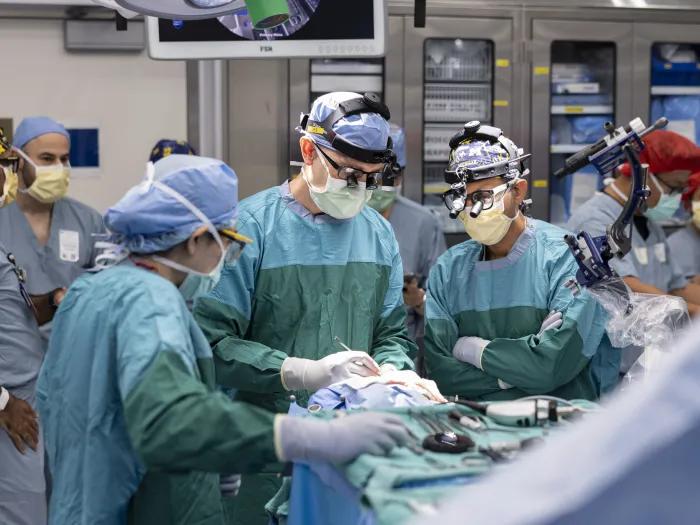
University of Michigan implants first-in-human Paradromics wireless brain-computer interface, designed to restore communication
Neurosurgeons at University of Michigan Health completed the first-in-human implantation of a Paradromics Inc., wireless brain-computer interface, or BCI, as part of a national clinical trial for patients with difficulty speaking.

Health Lab
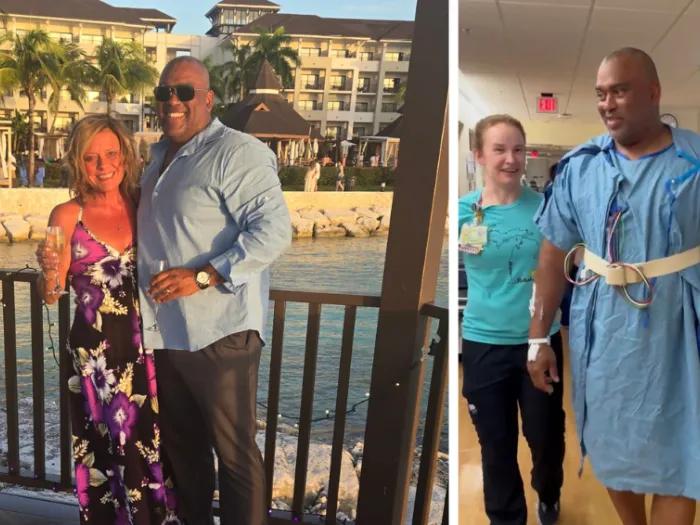
Treating a rare coronary artery aneurysm without open heart surgery
Cardiologists at University of Michigan Health prevented the rupture of an aneurysm in a woman’s heart and used a minimally invasive solution to avoid open heart surgery.
Health Lab
Timely treatment helps former baseball pro survive on-field stroke with no complications
Two days after his players recognized stroke symptoms at practice, a baseball and softball coach left the hospital with zero complications or lingering effects thanks to timely treatment.
Health Lab
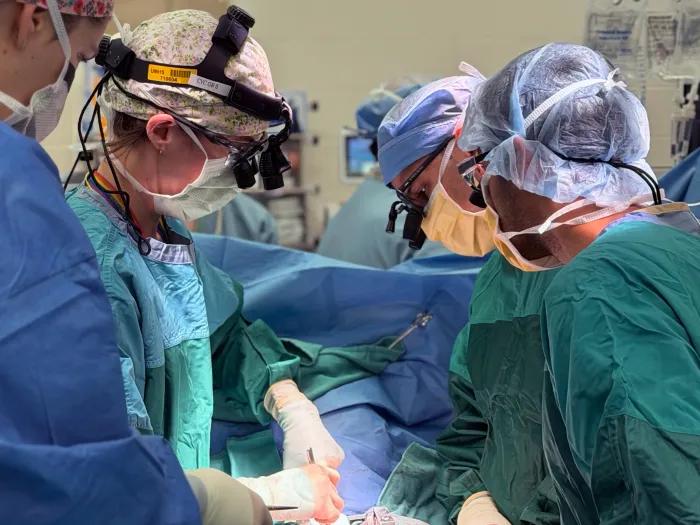
Failed TAVR? Heart surgeons explain TAVR explant, options and risks
As transcatheter aortic valve replacement, or TAVR, gains popularity, cardiac surgeons are seeing more cases of failing valves. Two cardiac surgeons from Michigan Medicine explain TAVR explant and other surgical options.

Health Lab
Half of newborns with severe spina bifida have trouble breathing during sleep
Many infants with the most severe form of spina bifida called myelomeningocele experience breathing disruptions during sleep — increasing the risk of cognitive deficits later in life, a new study finds.
Health Lab
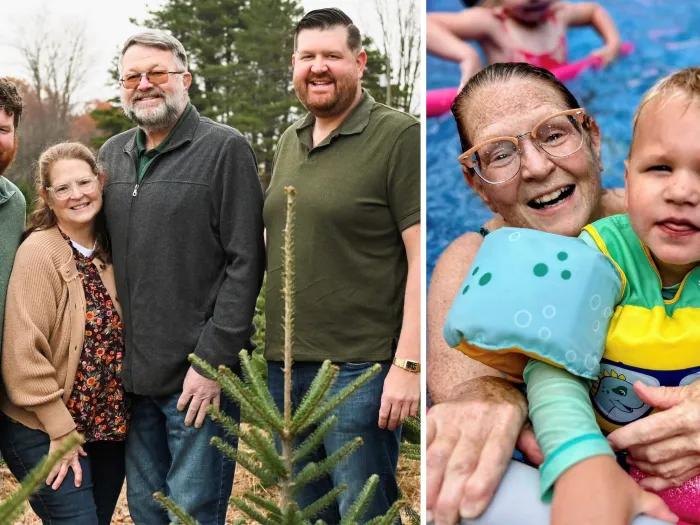
How a complex, 14-hour surgery saved a woman’s ‘hopeless’ spine
How a complex, 14-hour surgery by Michigan Medicine's Adult Spine Deformity Program saved a woman’s ‘hopeless’ spine that had been deteriorating for years from advanced arthritis and lupus.

Health Lab
Advice from a doctor with heart disease
A doctor shares his personal experience and tips after getting a triple bypass surgery.

Health Lab
An AI model that can read and diagnose a brain MRI in seconds
An AI-powered model developed at University of Michigan can read a brain MRI and diagnose a person in seconds, new research finds.
Health Lab
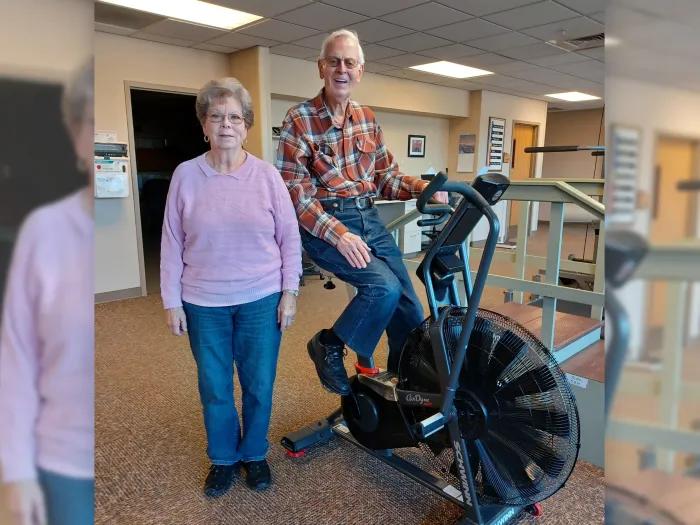
Rejected elsewhere, farmer gets new lease on life after double valve surgery
After being turned away elsewhere, an 88-year-old patient gets back to farming after receives an open heart surgery for two failing heart valves.
Health Lab
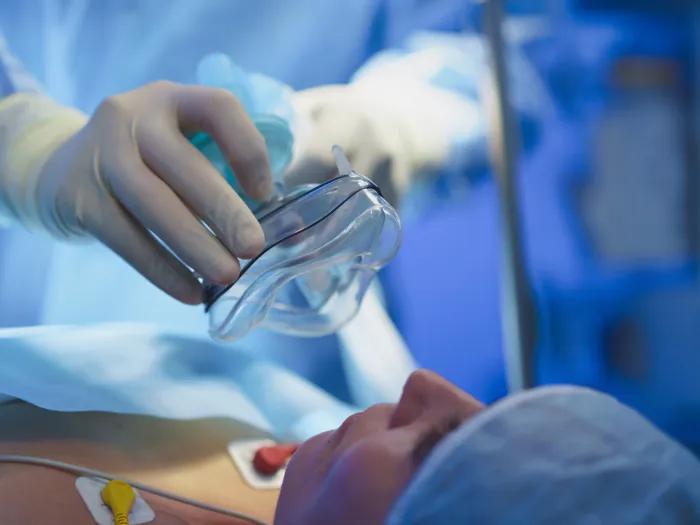
Women may face heart surgery delays due to criteria based on male anatomy
Women may receive heart procedures later due to surgical criteria based off male anatomy, two studies suggest.
Health Lab
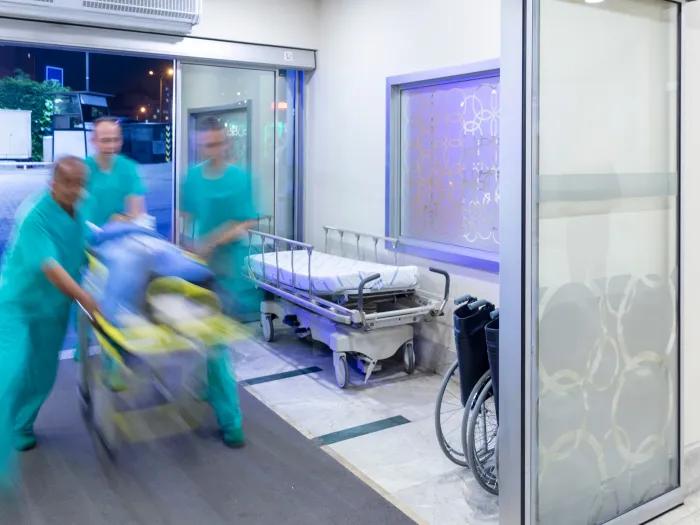
Stroke survivors miss critical treatment, face greater disability due to systemic transfer delays
Problems with the United States stroke transfer system are drastically reducing survivors’ chances of receiving critical treatment and increasing the likelihood that they will leave the hospital with a disability, a study suggests.
Health Lab
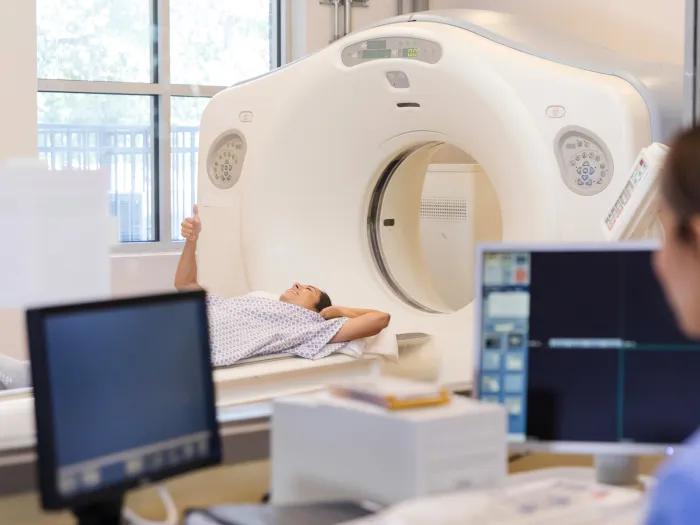
Hospital partnership improves follow up scans, decreases long term risk after aortic repair
A statewide partnership of hospitals in Michigan, which drastically increased follow up imaging after aortic aneurysm repairs, resulted in patients having a nearly 60% decrease in the likelihood of dying within one year of surgery.
