The Au lab developed a computational method that combines short- and long- RNA sequencing reads to study gene isoforms
Author |
In high-order organisms, genes often undergo alternative splicing, a process where a single gene can produce multiple isoforms. This alternative splicing process significantly expands the diversity of proteins a single gene can code for, playing a key role in the complexity of these organisms.
Professor Kin Fai Au and his lab members Xiaoyu Cai, Qi Gao, Haoran Li, Puwen Tan, Dingjie Wang, and Yunhao Wang, with partners from Ohio State University, developed a new software that improves the accuracy of the quantification of gene isoforms for complex genes. Their software, called miniQuant, ranks genes with the uncertainty of isoform quantification. It integrates the complementary strengths of long reads and short reads of RNA sequencing data with optimal combinations in a gene- and data-specific manner to achieve more accurate isoform quantification.
These results are supported by rigorous mathematical proofs, validated with a wide range of simulation data, experimental validations and more than 17,000 public datasets from GTEx, TCGA and ENCODE consortia.
The team demonstrated that miniQuant can uncover isoform switches during the differentiation of human embryonic stem cells to pharyngeal endoderm and primordial germ cell-like cells.
These findings are published in Nature Biotechnology.
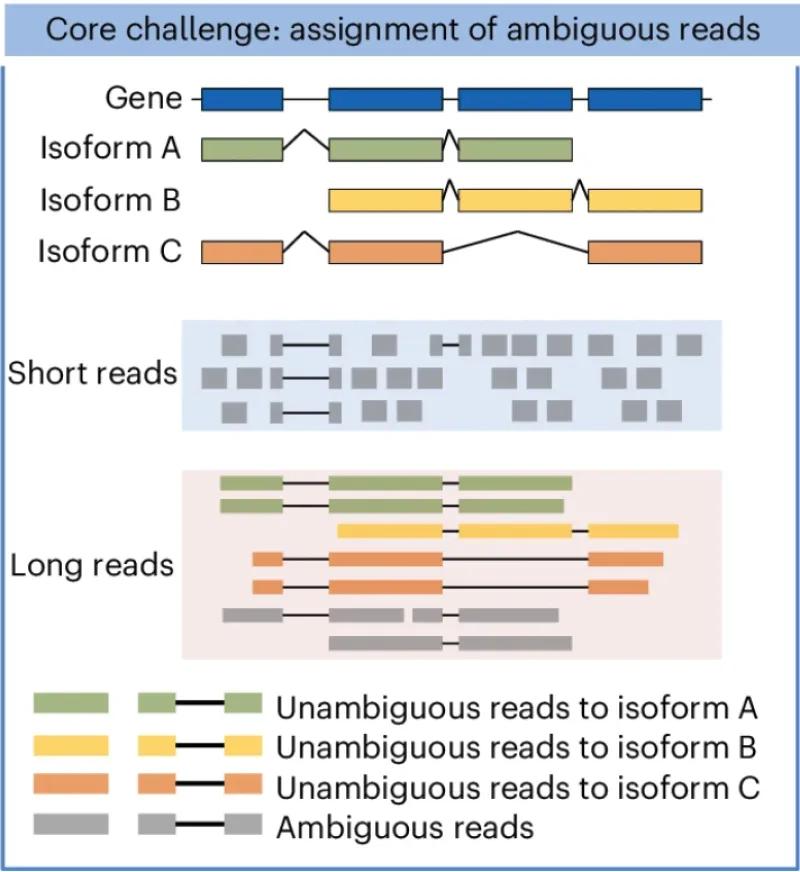
From: Improving gene isoform quantification with miniQuant
Read more in Genomeweb
Cited paper:
Li, H., Wang, D., Gao, Q. et al. Improving gene isoform quantification with miniQuant. Nat Biotechnol (2025). https://doi.org/10.1038/s41587-025-02633-9
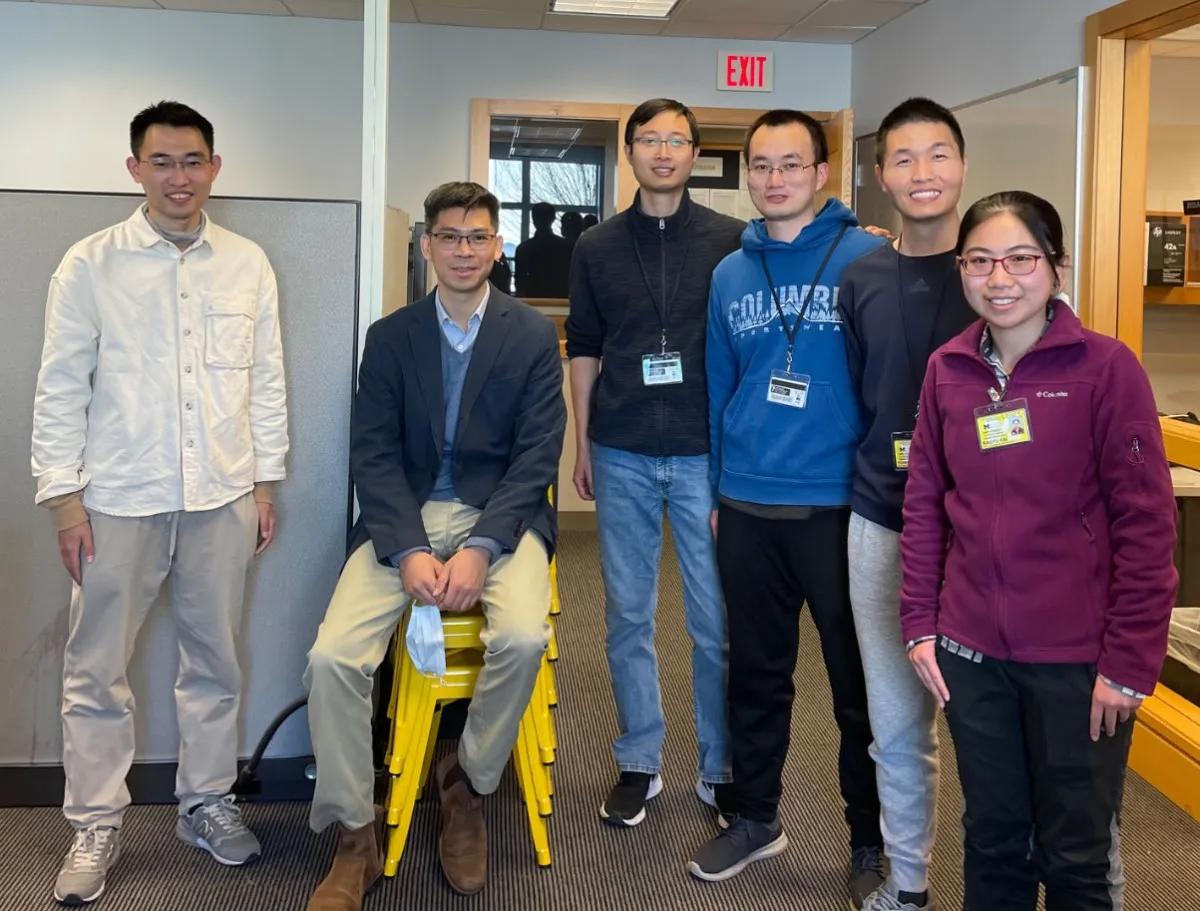
MiniQuant authors from the Au Lab in the Gilbert S.Omenn Department of Computational Medicine and Bioinformatics at the University of Michigan. From left to right: Qi Gao, Kin Fai Au, Haoran Li, Puwen Tan
In This Story

Kin Fai Au, PhD
Professor

Xiaoyu Cai, PhD
Postdoctoral Fellow | Au lab

Qi Gao, PhD
Postdoctoral Fellow | Au lab
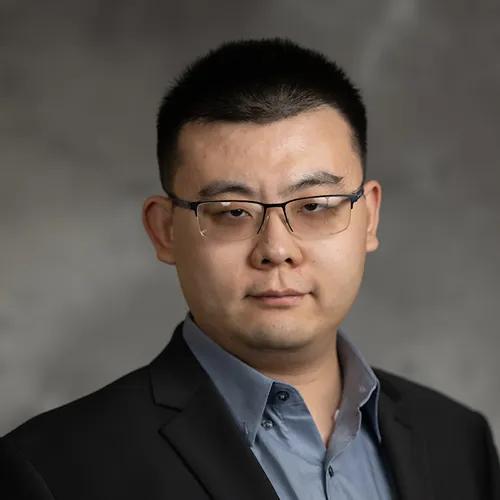
Haoran Li
PhD Student
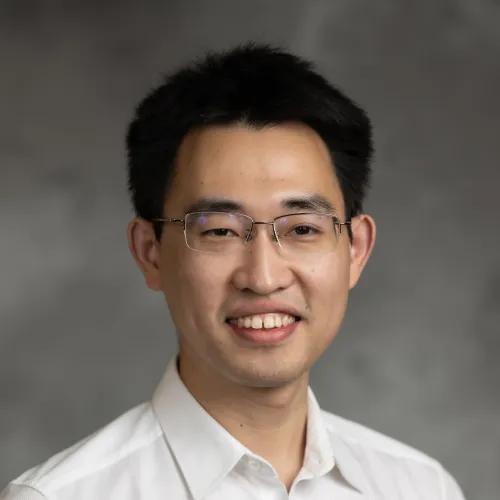
Puwen Tan, PhD
Postdoctoral Fellow | Au lab
Dingjie Wang, PhD
Postdoctoral Fellow | Au lab
Featured News & Stories

Congratulations MTRAC Life Sciences Innovation Hub Awardees Drs. Cristiane Squarize & Nisha D'Silva!
Family Medicine team secures RO1 funding to study best ways to care for rural, at-risk pregnant women

Michigan Alzheimer’s Disease Research Center at AAIC 2026
Explore the Department of Human Genetics Annual Newsletter
How AI is helping emergency physicians learn from their patients