
Can marijuana help you sleep? Here's what experts say
Additionally, use of higher amounts of THC over the course of weeks or months may start to interfere with sleep, potentially as the brain starts habituating to the sedating effects, said Deirdre Conroy, the clinical director of the Behavioral Sleep Medicine Program at Michigan Medicine.
“You start to see a little bit longer time to fall asleep, the waking start to return and the sleep stages changing in distribution the more someone uses and the more regular the use,” she said. Read full article here.
In This Story

Deirdre A Conroy
Clinical Professor
Featured News & Stories

Research News
Congratulations MTRAC Life Sciences Innovation Hub Awardees Drs. Cristiane Squarize & Nisha D'Silva!
Congratulations MTRAC Life Sciences Innovation Hub Awardees Drs. Cristiane Squarize & Nisha D'Silva!

Department News
Family Medicine team secures RO1 funding to study best ways to care for rural, at-risk pregnant women
Family Medicine researchers, led by Associate Professor Golfo Tzilos Wernette, Ph.D., has secured a grant that will enable them to create tailored strategies to help pregnant women and those who have given birth avoid various risks such as tobacco, alcohol and drug use, sexual risk behaviors and post-partum depression.

Research News
Michigan Alzheimer’s Disease Research Center at AAIC 2026
Michigan Alzheimer’s Disease Research Center at AAIC 2026

Department News
Explore the Department of Human Genetics Annual Newsletter
We are pleased to share our annual newsletter, featuring departmental milestones from October 2024 through March 2026.

Health Lab
How AI is helping emergency physicians learn from their patients
How the “Tell Me What Happens Next” initiative is being used by the Department of Emergency Medicine’s new Division of Clinical Informatics using artificial intelligence.
Health Lab
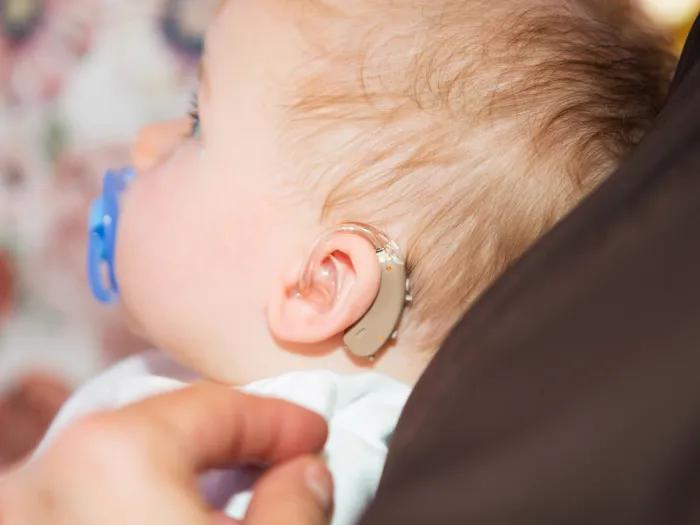
Research may help better predict outcomes in kids with congenital cytomegalovirus
Two new studies may help researchers and clinicians better understand congenital cytomegalovirus (CMV), the most common infectious cause of birth defects and a leading cause of non-genetic hearing loss in children.
