
Obstructive sleep apnea impacts women differently. Here’s how—and why that matters.
The textbook symptoms of this condition—which, for the record, were determined based on studies mostly involving men—include loud snoring and dramatic gasps for air as a person tries to continue breathing while asleep. But this often isn’t the case for women, Dr. Shelgikar tells SELF. Instead, women with OSA are more likely to have nightmares, wake up multiple times a night, have trouble staying asleep, and deal with insomnia, which then causes symptoms like daytime fatigue, morning headaches, and mood swings. Women also have more hypopneas (shallow breaths with less oxygen flow), whereas men tend toward apneas (complete pauses in breathing). Read full article here.
In This Story
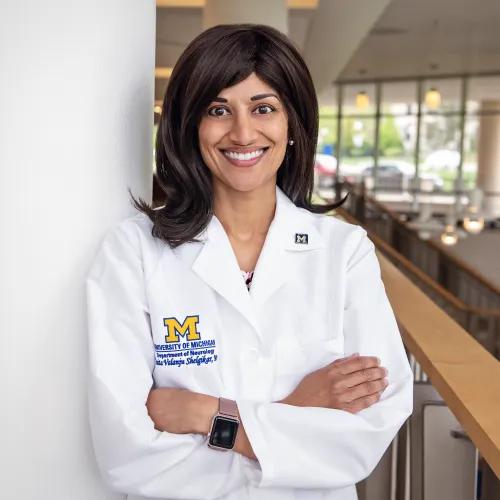
Anita V Shelgikar
Clinical Professor
Featured News & Stories
Health Lab
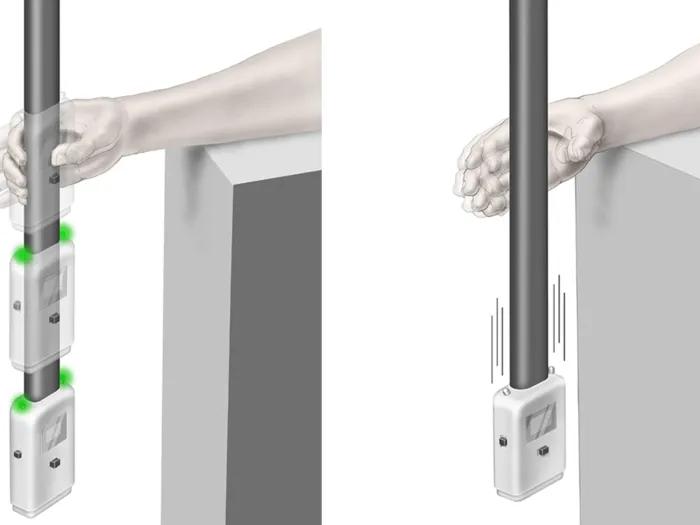
A method to prevent falls before they happen
To prevent falls, the JEDII Fall Clinic at University of Michigan Health has specialized tests they use to measure whether you could be at a fall risk before it happens

Research News
Weil researchers' AI-integrated smart CPR device named honorable mention in Fast Company’s 2026 World Changing Ideas Awards
The transformative research taking place at the Max Harry Weil Institute for Critical Care Research and Innovation is being recognized on the global stage as Fast Company magazine names INSIGHT-CPR an Academic Excellence honoree of its 2026 World Changing Ideas Awards.

Health Lab
What is looksmaxxing?
A Q&A with Dr. Bravender discussing what looksmaxxing is. Along with the true dangers of it, what parents should know, and when to intervene.
Well-Being at Michigan Medicine
The Power of Mattering
What does it take to create a culture where people can truly thrive? In this episode, Dr. Elizabeth Harry welcomes Dr. Robert Ernst, Chief Health Officer and Associate Vice President for Health and Wellness at the University of Michigan, about building well-being into systems, policies and everyday experiences. They explore purpose-driven leadership, belonging, mental health and why helping people feel they matter can strengthen entire communities.

Department News
Dr. Ben Clements is ASPET's Journal of Pharmacology and Experimental Therapeutics Highlighted Trainee Author for June 2026
Dr. Ben Clements is ASPET's Journal of Pharmacology and Experimental Therapeutics Highlighted Trainee Author for June 2026
Department News
Your Pet Is Protecting Your Brain. Here’s the Proof.
Looking for another reason to love your pet? Science says they’re good for your brain-and the evidence is stronger than ever.
