U-M Medical School study to provide insight into real-world trends around psychedelics in the U.S.
$3.3M from NIH will help strengthen knowledge base for psychedelic use and therapeutic potential
Across the United States, the political and cultural landscapes around psychedelics are changing.
While psychedelics remain Schedule I substances under federal law, federal regulators have signaled growing interest in psychedelic therapies for serious mental illness. States and cities also are introducing a range of new policies — from decriminalizing certain psychedelics and deprioritizing enforcement to establishing regulated access to psychedelics like psilocybin.
A new University of Michigan Medical School study aims to better understand how Americans perceive and use psychedelics as these changes are enacted. The project has been awarded $3.3 million in funding from the National Institute on Drug Abuse, part of the National Institutes of Health.
“We need carefully designed clinical trials to fully understand the risks and benefits of these substances. But psychedelic policy is moving faster than the research base and enables access and use of these substances for both medical and non-medical reasons,” said Kevin Boehnke, PhD, assistant professor of anesthesiology and associate director of the Michigan Psychedelic Center, who will lead the project.
“This study gives us a complementary way to understand trends in how people are thinking about and using these substances at a time when laws, regulations, and access are rapidly changing across the country.”
The project will include four annual national surveys conducted through the National Opinion Research Center’s AmeriSpeak Panel. The survey aims to:
Assess changes in attitudes, perceptions of risk and psychedelic use in the U.S. The survey will include 5,000 U.S. adults each year, with enhanced recruitment in regions with decriminalized use. Researchers will ask how people perceive the risks and benefits of psychedelics, knowledge of local laws, and whether they have used psychedelics.
Investigate annual changes in psychedelic use patterns, safety and health outcomes. For people who report using psychedelics within the past year, the study will look more closely at why and how they used them, health outcomes, side effects, and any changed use of other substances.
Boehnke said understanding changes year over year could help clinicians answer patient questions, guide public health campaigns, and inform policy as psychedelic reform continues.
“The more information we can share about real-world trends — the things people are actually talking about and thinking about — the better our outreach and education efforts can be,” Boehnke said.
“That need has become clear through years of community-engaged survey work with people who have shared their experiences and perspectives about psychedelic use. I’m grateful to the individuals, community partners, and collaborators whose insights helped lay the foundation for this grant.”
The study is the latest in a growing portfolio of psychedelic research conducted by the University of Michigan, which launched the Michigan Psychedelic Center in 2022.
“NIH funding to study psychedelics is rare,” said George Mashour, MD, PhD, Edward F. Domino Collegiate Professor of Neuroscience and founding director of the Michigan Psychedelic Center.
“We are now one of the very few centers in the U.S. with support across the translational spectrum, from fundamental neuroscience to large-scale community-engaged research. I am thrilled for Dr. Boehnke and excited about his national study."
Boehnke will be joined on the study by Principal Investigators Adrianne Wilson-Poe (Oregon Health and Science University) and Daniel Kruger (University at Buffalo NY), and University of Michigan Co-Investigators Jacob Aday (Anesthesiology), Michael Elliott (Biostats) and Anne Arewasikporn (Anesthesiology).
In This Story
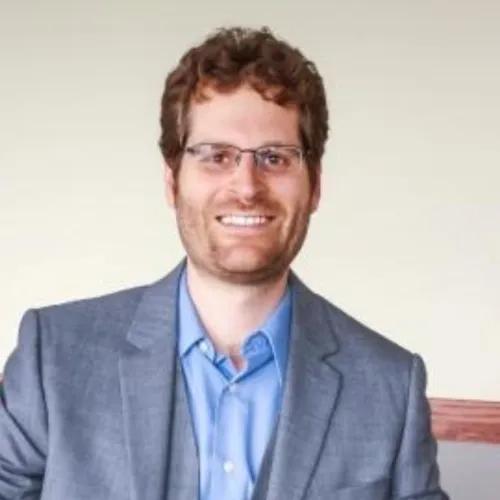
Kevin F Boehnke, PhD
Assistant Professor
Featured News & Stories

Finding Joy in Leadership: Brian Zink, MD, on Coaching, Purpose and the Next Phase of Academic Medicine
Doximity ranks two Michigan surgery residency programs among nation’s best
3 Questions on...Improving Cascade Genetic Testing
A new clue for aging eyes
University of Michigan Professional Nurse Council reaches tentative agreement with University of Michigan Health