
Why Your Best Night's Sleep Starts in the Morning
In a study published last year, people who got a regular dose of morning sunlight reported falling asleep faster — and staying asleep longer — than those who didn’t. And a review of 10 studies on insomnia found that exposure to bright artificial light in the morning led to better nighttime sleep.
Buy a bright light, if necessary, says sleep psychologist Deirdre Conroy, PhD, clinical director of the Behavioral Sleep Medicine Clinic at the University of Michigan Health Sleep Disorders Center. “There are many products out there. Turn it on inside your home, and sit in front of that. What it’s doing is, it’s regulating your circadian rhythm.”
In This Story

Deirdre A Conroy
Center Member
Featured News & Stories

Department News
Welcoming Colleen McLaughlin, assistant professor, to CDB
The Department of Cell & Developmental Biology (CDB) welcomes Colleen McLaughlin, PhD, as an assistant professor. McLaughlin joins a growing cohort of faculty located in NCRC and is also a member of the Michigan Neuroscience Institute (MNI).

News Release
How have diagnostic and treatment decisions for prostate cancer changed in recent years?
An analysis of United States data reveals a broad shift away from overtreatment of low-risk prostate cancer. The analysis by University of Michigan Rogel Cancer Center researchers, indicates a shift toward surveillance in response to concerns of overdiagnosis and overtreatment that have hindered screening in the recent past.
Philanthropy News
Small comforts make a world of difference
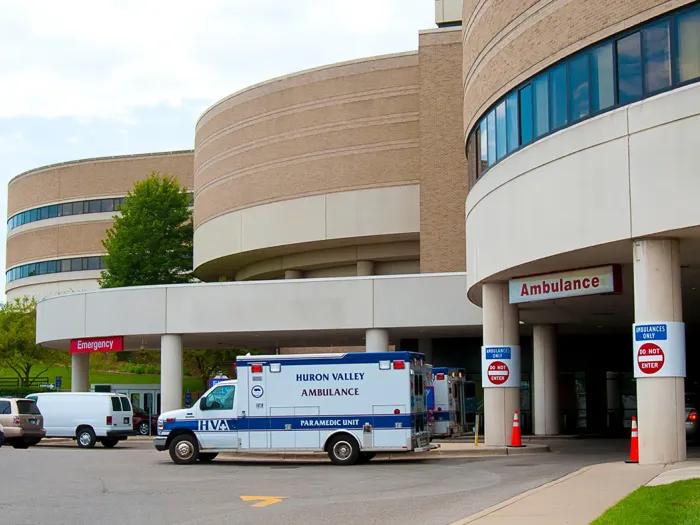
Thanks to donor support, upgrades like warm blankets, comfortable seating, and snacks are now available in Adult Emergency Services at Michigan Medicine.
Department News
U.S.-Israel Binational Science Foundation grant for pediatric brain tumor research awarded to co-principal investigators Castro and Friedman-Morbinski
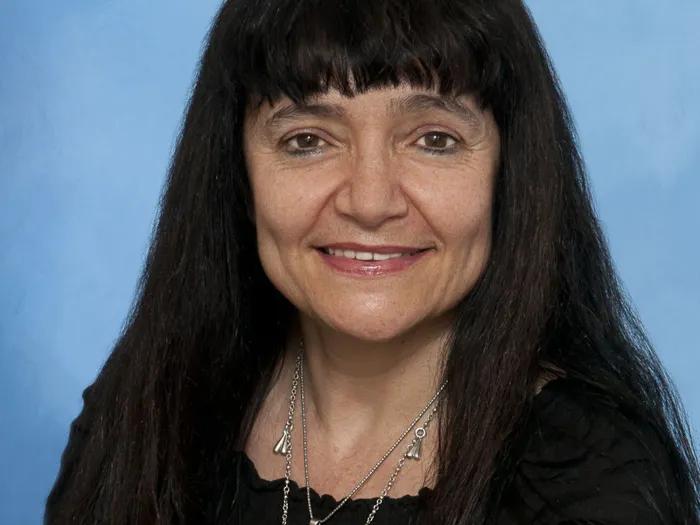
University of Michigan researcher Maria G. Castro and Tel Aviv University researcher Dinorah Friedmann-Morvinski have received a U.S.-Israel Binational Science Foundation grant to study ways to improve CAR T-cell therapy for aggressive pediatric brain tumors. The team will investigate whether combining CAR T cells with treatments that modify the tumor microenvironment can overcome immune suppression and improve outcomes in preclinical models of diffuse hemispheric glioma.
Health Lab
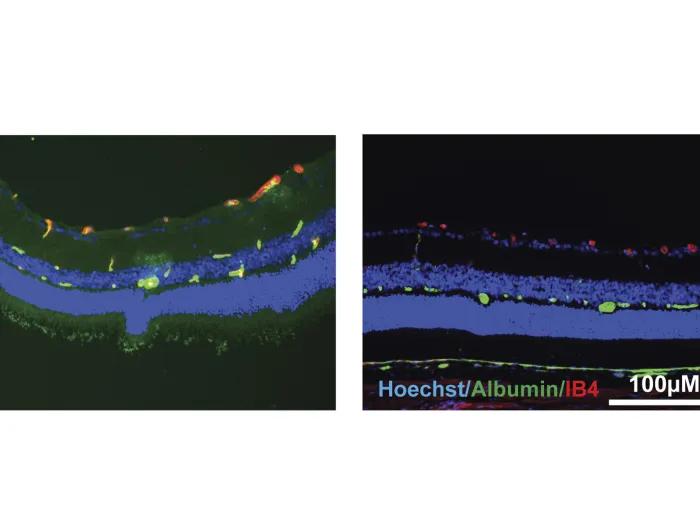
Treatment with norrin helped maintain healthy blood vessels, preserved vision in diabetic rats
Study reveals norrin treatment prevents vision loss from diabetic retinopathy in early and late stages, paving the way for new therapies.
Department News
We're Hiring! Join the Center for Disability Health and Wellness
CDHW is hiring! Explore three career opportunities supporting disability health research, knowledge translation, and community engagement at the University of Michigan.
