Cell & Developmental Biology Education
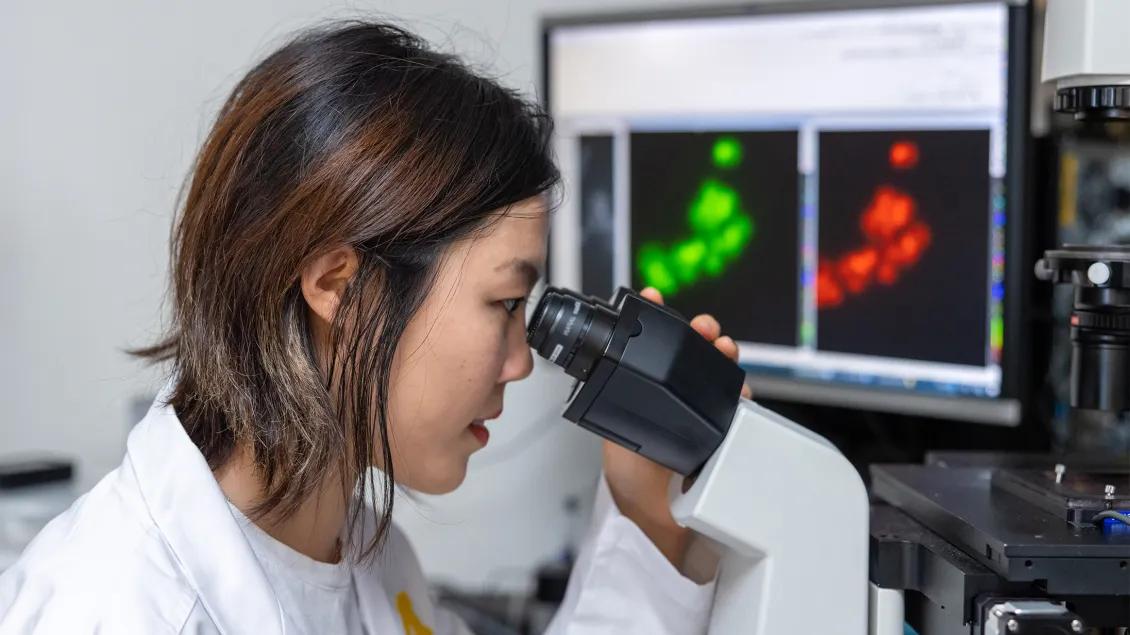
A Career in the Building Blocks of Life Itself
The U-M Medical School Department of Cell & Developmental Biology invests in the future of humankind by supporting and educating the scientists of tomorrow.
Focused on the Fundamentals
As a PhD student in the Department of Cell & Developmental Biology, you won’t just study biology, you’ll partner with world-class faculty to push the boundaries of biological and biomedical sciences. You’ll join a collaborative community asking the fundamental questions that drive discovery and transform lives.
Here, you will:
- Work with faculty engaged in innovative, discovery-driven research.
- Benefit from exceptional mentorship and support to help your growth and advancement.
- Access federally funded research opportunities at one of the world’s top NIH-funded programs located within a premier research institution.
- Train in a highly regarded, interdisciplinary program designed to prepare you for success.
- Develop professional and outreach skills while exploring wide-ranging career paths in academia, industry, and beyond.
- Earn recognition and funding through competitive awards and achievements that support your training.
- Live in a great place to call home, Ann Arbor is a vibrant college town with world-class food, recreation, culture, and entertainment.
Life in CDB: Science & Community

What Jeff loves about CDB
Jeff joined CDB because he loves the people at CDB.
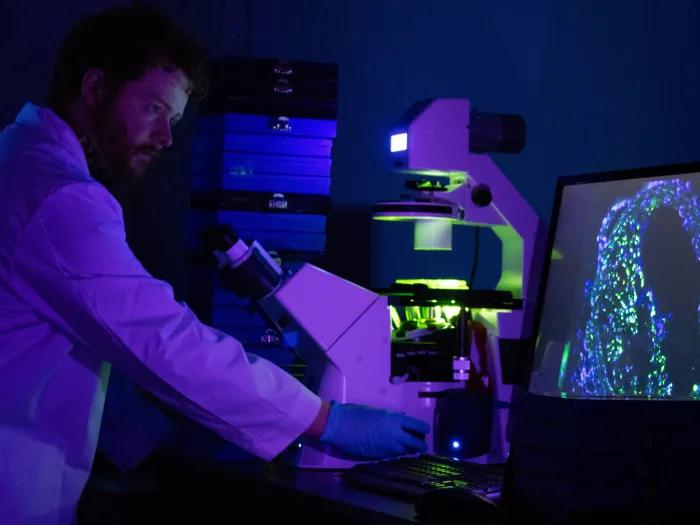
Power of Collaboration
Ian McCue, PhD candidate: Embracing collaboration in and out of the lab

Life in Science
Hy Do, PhD candidate: Learning life and science one step at a time

You're Stronger Than You Think
PhD student Brittany Salazar shares her journey in CDB.

Benefits & Wellness Resources
Featured News & Stories
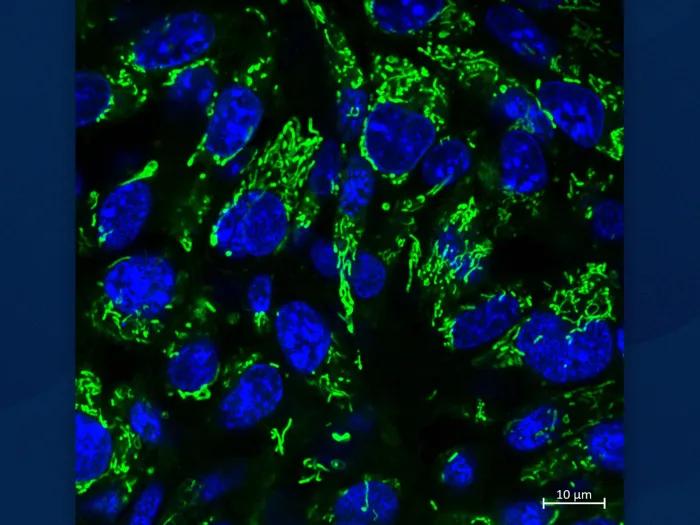
Engineered nanoparticles sensitize gliomas to radiotherapy

Thanh Hoang named Pew Biomedical Scholar

Celebrating outstanding teaching and research at the 2026 Endowment for Basic Sciences Awards

Celebrating Scientific Journeys: Inside CDB’s 2026 Annual Celebration

New study hints at cause of pachyonychia congenita and a long-awaited potential treatment