

Innate Immunity
The ability of immune cells - such as macrophages - to internalize particles by phagocytosis is central to the defense against pathogens.
Macrophages and dendritic cells of the innate immune response process antigens into structures that are recognized by T cells of the adaptive immune response. At M&I, this area of research involves many of us.
We use quantitative fluorometric and microscopic methods to delineate the mechanisms and regulation of phagocytosis.
Areas of Investigation
Within this field, we are studying several areas:
- The mechanisms involved in antigen uptake and presentation to T cells, along with studies of how pathogens interfere with these processes
- The innate immune responses to specific bacterial, viral, fungal and parasitic pathogens
- Macrophages that can sense bacterial molecules within the cytosol, which triggers expression of various cytokines, and other pro-inflammatory genes. We are seeking to identify signaling molecules and transcriptional regulators that are specific to this cytosolic surveillance pathway, using the Gram-positive intracytosolic bacterium, Listeria monocytogenes as a model pathogen.
- The effects of innate immunity on pathogenesis of Vaccinia virus and in particular the mechanisms through which interferons and toll-like receptor signaling pathways affect vaccinia viral replication and spread in the lung. We are focusing on understanding the cellular and molecular effectors involved in the initiation of immunity to model fungal pathogens such as Cryptococcus neoformans.
Faculty researching Innate Immunity

Cheong-Hee Chang, PhD
Professor

Kathleen Collins, MD, PhD
Professor
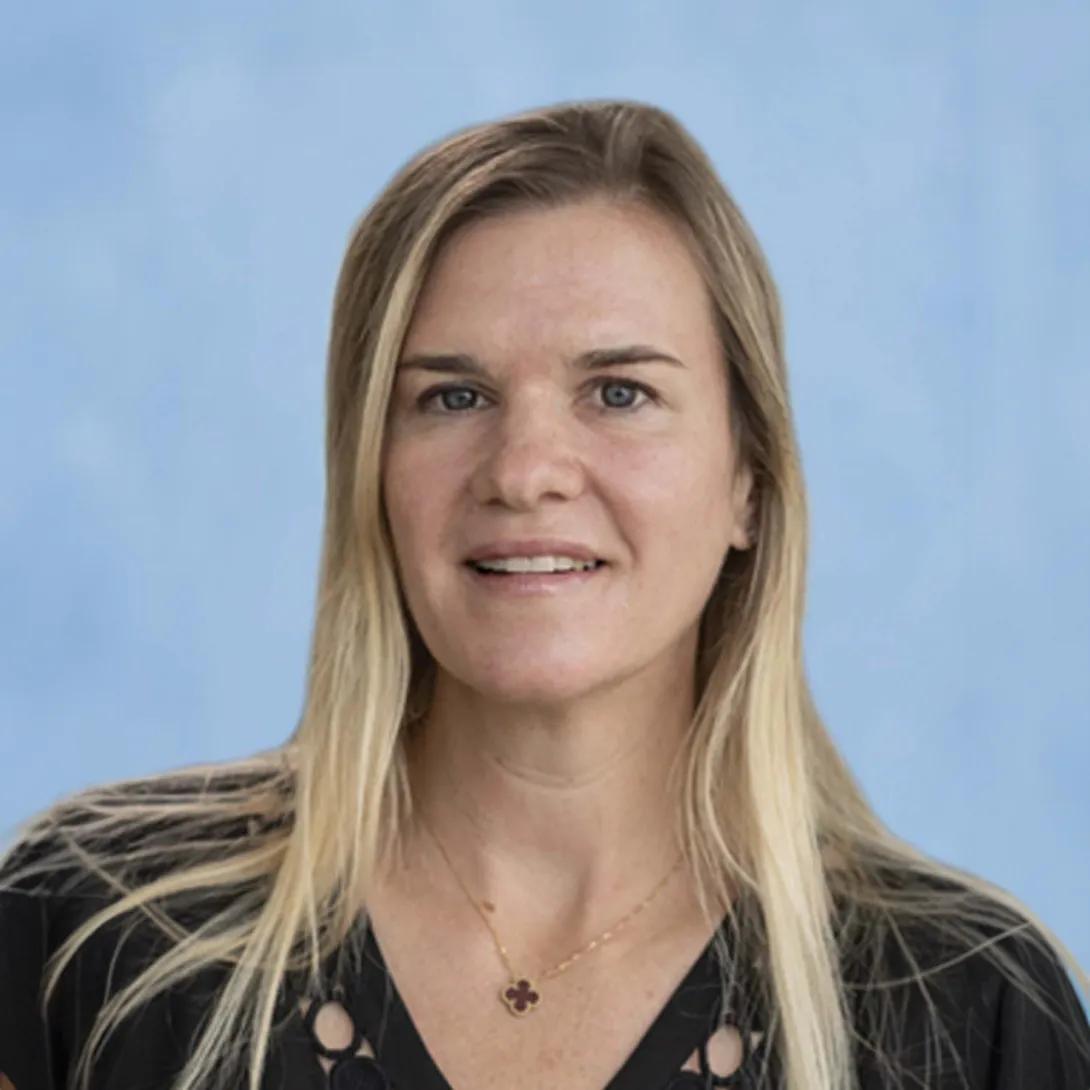
Katherine Gallagher, MD
Professor

Gary B Huffnagle, PhD
Professor
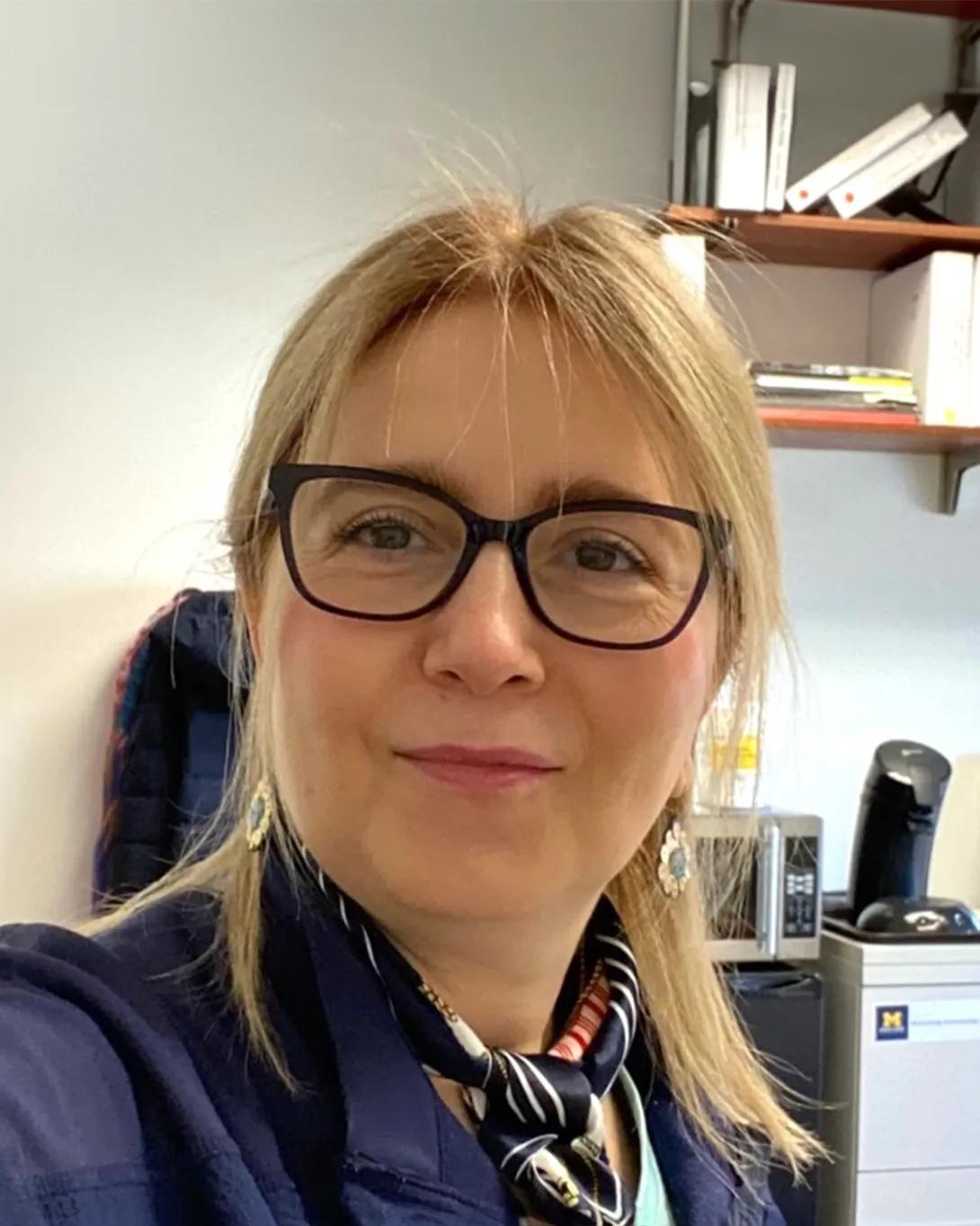
Yasmina Laouar, PhD
Associate Professor

Bethany Moore, PhD
Professor

Teresa O'Meara, PhD
Associate Professor
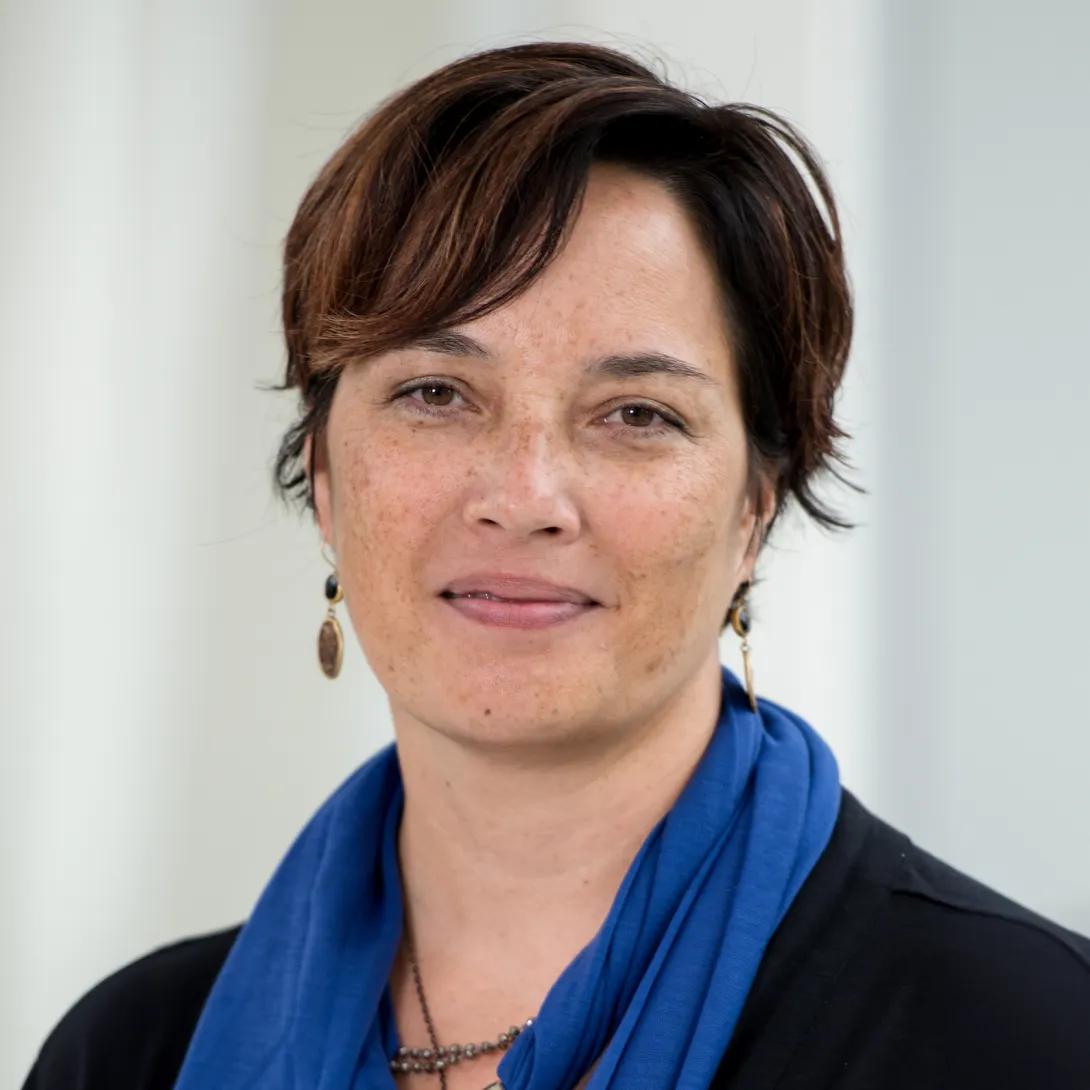
Mary O'Riordan, PhD
Professor

Michal A Olszewski, DVM, PhD
Professor

Malini Raghavan, PhD
Professor

Joel Swanson, PhD
Professor Emeritus/a

Yifan Wang, DVM, PhD
Assistant Professor
