
Adaptive Immunity
At the University of Michigan Medical School Department of Microbiology & Immunology, we study the basic questions relating to the role of T and B lymphocytes in adaptive immunity. Many of us seek to understand adaptive immunity at a molecular level in whole animals. These studies provide important insights into the function of the adaptive immune system in health and disease.
Learn more below about our areas of investigation and view a list of faculty members conducting research on adaptive immunity.
Department News
What we do in M&I: Adaptive Immunology
Areas of Investigation
We investigate:
- Intracellular signaling mechanisms regulating T cell development and activation
- Immunoglobulin class switch recombination in B cells using techniques such as bacterial artificial chromosome transgenesis
- The behavior of T cells as regulators of adaptive immune responses and as effector cells is examined in bacterial infection and organ transplantation models using combined cellular and molecular approaches.
- The mechanisms involved in processing of antigen for recognition by T cells, including intracellular assembly of major histocompatibility complex class I proteins, and their altered trafficking in virus-infected cells
We are using the latest techniques and technology, including genome engineering methods.
Faculty researching Adaptive Immunity
Michael Bachman, MD, PhD
Clinical Professor

Cheong-Hee Chang, PhD
Professor
Kathleen Collins, MD, PhD
Professor

Philip D King, PhD
Professor

Denise E Kirschner, PhD
Professor
Yasmina Laouar, PhD
Associate Professor
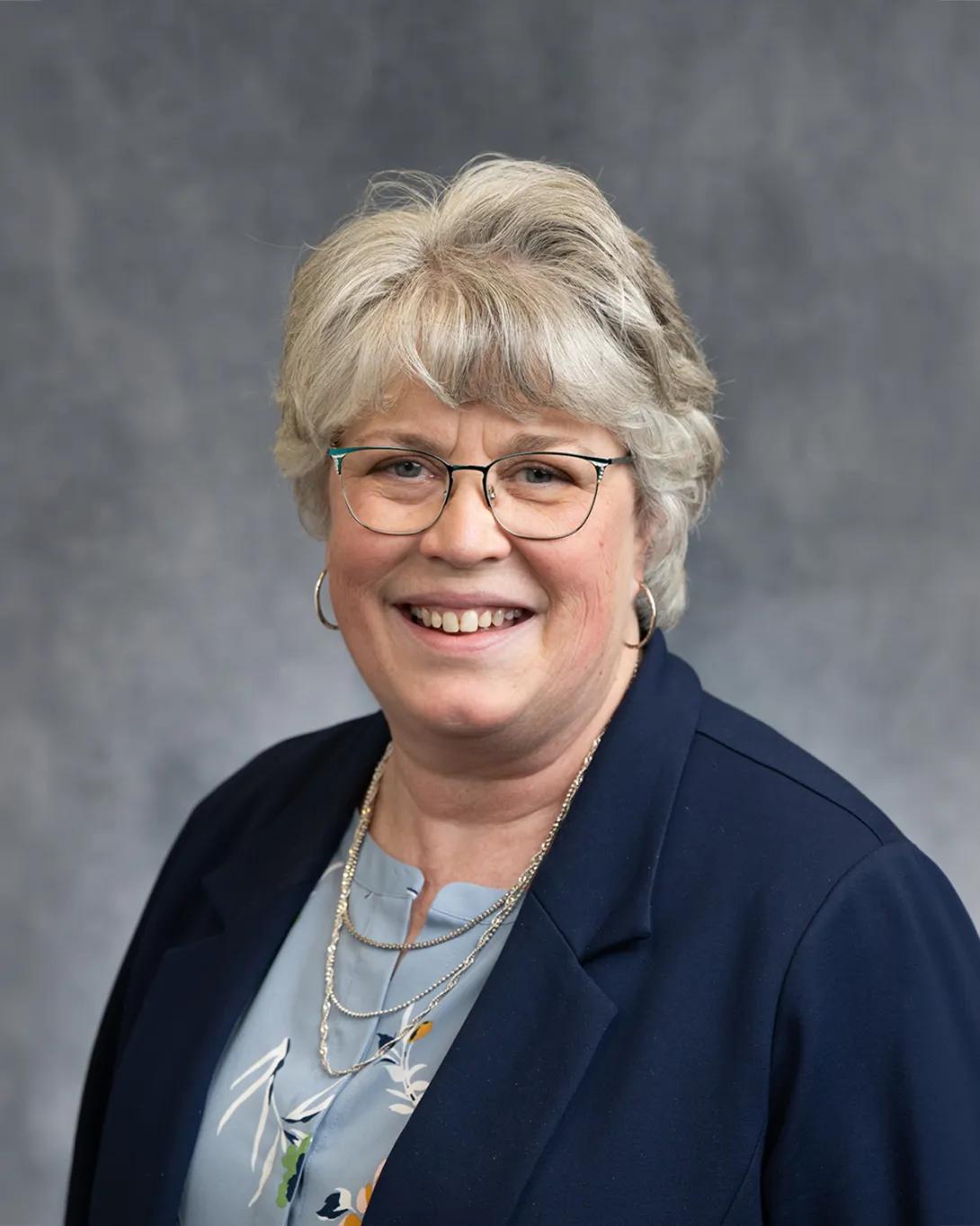
Bethany Moore, PhD
Professor

Michal A Olszewski, DVM, PhD
Professor
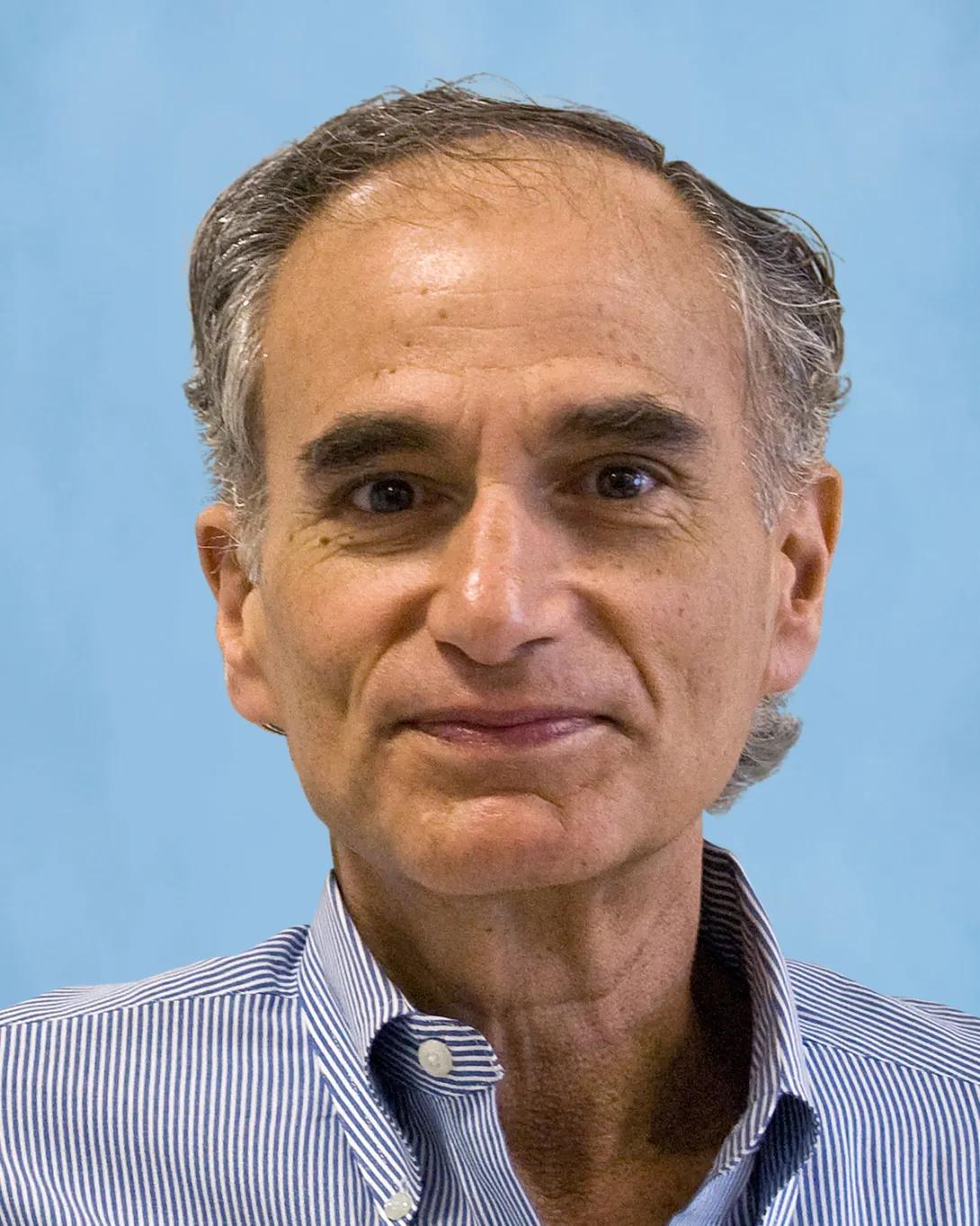
Jeffrey L Platt, MD
Emeritus/a in Service

Malini Raghavan, PhD
Professor
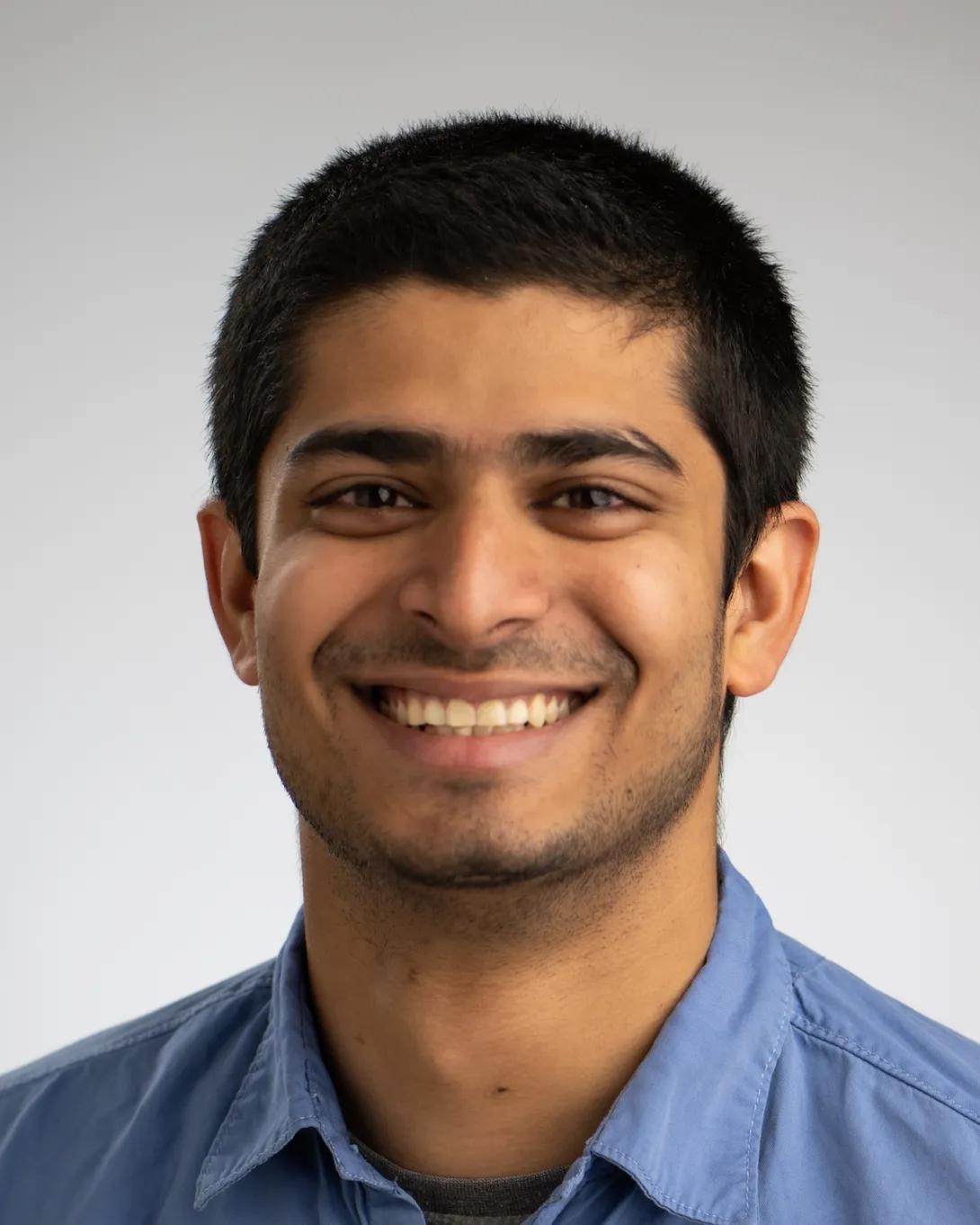
Anukul Shenoy, PhD
Assistant Professor
