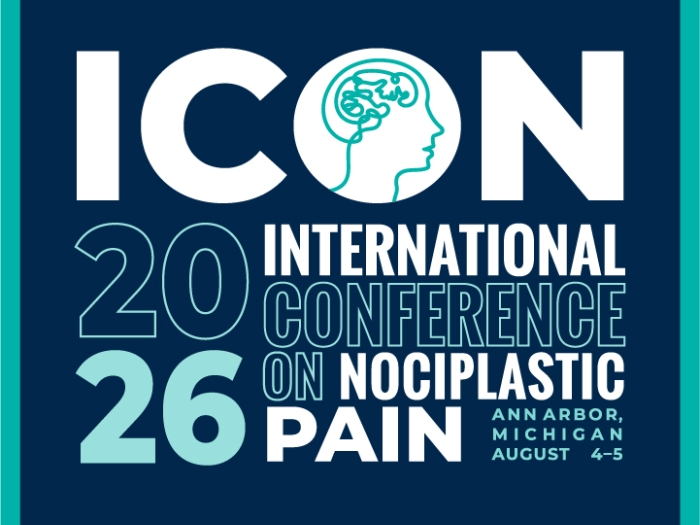
2nd International Conference on Nociplastic Pain (ICON)
Kahn Auditorium
Biomedical Science Research Building (BSRB)
University of Michigan Campus
Ann Arbor, MI
About This Event
The 2nd International Conference on Nociplastic Pain (ICON 2026) brings together leading experts, researchers, and clinicians for a dynamic two-day event in Ann Arbor, Michigan.
Day 1: Tuesday, August 4, 2026
Day 1 kicks off with a warm welcome, followed by presentations on innovative pain therapies including Brief Pain Reprocessing Therapy, Empowered Relief, and the latest BACPAC research. The agenda features engaging talks on psychedelics and ultrasound in pain management, plus wellness-focused yoga/meditation breaks. Attendees can network during dedicated breaks and lunchtime, participate in an afternoon poster session showcasing current research, and wrap up the day at a festive dinner reception at Michigan Stadium.
Day 2: Wednesday, August 5, 2026
Day 2 centers on the genetics and phenotypes of nociplastic pain. The morning includes sessions dedicated to the perspective of people with lived experience (PWLE), followed by cutting-edge discussions on genetic factors led by leading experts. Attendees can enjoy networking over breakfast and lunch, with the sessions designed to foster collaboration and deepen the scientific understanding of nociplastic pain mechanisms.
Call for Abstracts: We are excited to announce that abstract submissions are now open! This event brings together researchers, clinicians, trainees, and students from around the world to share the latest insights and developments in nociplastic pain. Whether you’re deep into the science, working directly with patients, just starting your academic journey, or anywhere in between, your contribution is welcome!
- Abstract Submission Deadline: June 1, 2026
- Poster Session: Join our super casual poster session—no stress, just great science and conversation!
- Email your Submission: [email protected]
Hotels Offering a Special Group Rate: The Vanguard Ann Arbor, Autograph Collection for 249.00 USD per night: Book Here
Hyatt Place Ann Arbor for 159.00 USD per night: https://www.hyatt.com/events/en-US/group-booking/DTWZA/G-UMA6
2nd International Conference on Nociplastic Pain (ICON)
2026 Speakers

Daniel J Clauw, MD
Professor

John (Drew) Sturgeon, PhD
Clinical Associate Professor

Afton L Hassett, PsyD
Associate Professor

Kevin F Boehnke, PhD
Assistant Professor
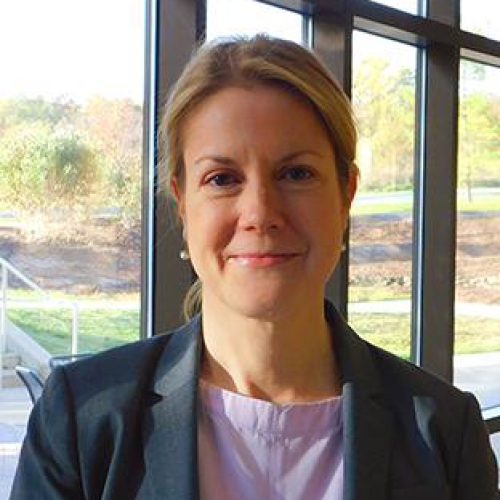
Helen J Burgess, PhD
Professor
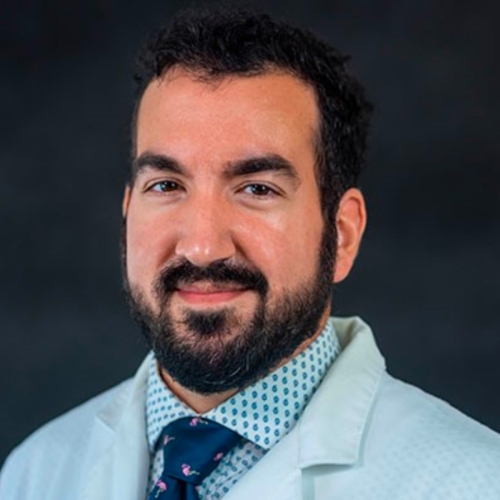
Stephan Frangakis, MD, PhD
Assistant Professor

Lars Fritsche, PhD
Research Associate Professor

Beth Darnall, PhD
Professor of Anesthesiology, Perioperative and Pain Medicine
Stanford University
I am Professor in the Department of Anesthesiology, Perioperative and Pain Medicine at the Stanford University School of Medicine, and Director of the Stanford Pain Relief Innovations Lab. I am principal investigator for $25 million in research awards from the National Institutes of Health (NIH) and Patient-Centered Outcomes Research Institute (PCORI).Having lived through my own chronic pain experience, I create and investigate treatments that work alongside medical pain treatments and empower individuals to have best control over their pain and symptoms. My innovations include ultra-brief, digital, scalable, low-cost pain treatments that are widely accessible to patients and easy for clinics to adopt.
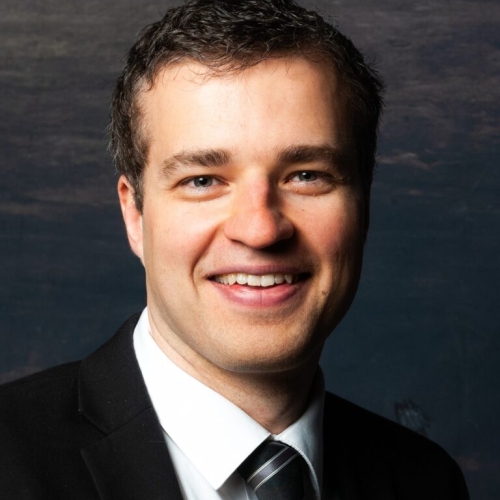
Jan Kubanek, PhD
Associate Professor of Psychiatry
WashU Medicine
Jan Kubanek, PhD, joined the faculty of WashU Medicine Department of Psychiatry on August 1, 2025, as associate professor of psychiatry in the Division of Clinical Neuroscience and Behavioral Health, with secondary appointments in the Department of Neurology and Department of Radiology. He brings combined experience in human and macaque electrophysiology, human and macaque behavioral assays, and ultrasound-based brain stimulation in humans and macaques. His research interests include development of novel noninvasive precision neuromodulation (circuit-directed treatments) to provide new, scalable interventions for patients with depression, chronic pain, opioid addiction, essential tremor, and other disorders of brain function.

Charles Argoff, MD
Professor of Neurology and Urology
Albany Medical College
Charles E. Argoff, MD, is professor of neurology and director of the Comprehensive Pain Program at Albany Medical Center in New York. Dr. Argoff received his medical degree from Northwestern University's Feinberg School of Medicine in Chicago, Illinois. He completed an internship in the Department of Medicine and a residency in the Department of Neurology at the State University of New York in Stony Brook and a fellowship in developmental and metabolic neurology at the National Institutes of Health/National Institute of Neurological Disorders and Stroke (NIH/NINDS).Dr. Argoff is a member of the International Association for the Study of Pain and the American Academy of Neurology, among other professional organizations. He has served as a guest editor for and published articles in the Clinical Journal of Pain and Current Pain and Headache Reports, among other peer-reviewed journals. Dr. Argoff had an active role in the development of the diabetic peripheral neuropathic pain guidelines published in Mayo Clinic Proceedings, and he has contributed to other published neuropathic pain treatment guidelines. He is one of the editors of the textbook Raj's Practical Management of Pain, Fourth Edition. He has also published the third edition of Pain Management Secrets.

Christin Veasley
Chronic Pain Alliance
Co-founder and Director
Since developing chronic pain after a near-fatal accident as a teenager, I’ve worked to accelerate rigorous pain research and the translation of research findings into meaningful change for people with pain. I’ve advocated at the Congressional and federal agency levels to bring about overdue awareness of chronic pain’s impact, the urgent need for an increased federal research investment to address this crisis and the long-overlooked value of including patients (and others) as partners in science. My adolescent experiences led me to obtain a science degree, time conducting neuroscience research and to the pain research advocacy community. I serve in advisory positions for pain initiatives within federal agencies; academic studies funded by the NIH, VA, DoD and PCORI; and collaborative alliances and public-private partnerships working to promote pain research, care and education. Currently, I co-chair the ENGAGE Working Group at the NIH, charged with developing an agency-wide vision and framework for the inclusion of patients and the public as partners in all NIH-funded clinical research. I co-founded and direct the Chronic Pain Research Alliance (CPRA) - the nation’s only patient advocacy initiative focused on pain research. With the goal of advancing timely diagnoses and effective evidence-based care for people with chronic pain, and specifically those with chronic overlapping pain conditions (COPCs), the CPRA works collaboratively with diverse partners to promote high-caliber COPCs research, translate research findings into educational programs, and drive the development of safe, effective treatments and team-based models of care. To promote public awareness and advocate for change, I continue to speak openly about the significant impact of pain on my life. I’ve authored a variety of scientific, policy and educational materials; presented at numerous medical, research, policy and federal agency meetings; and have been interviewed for print, television and radio media.
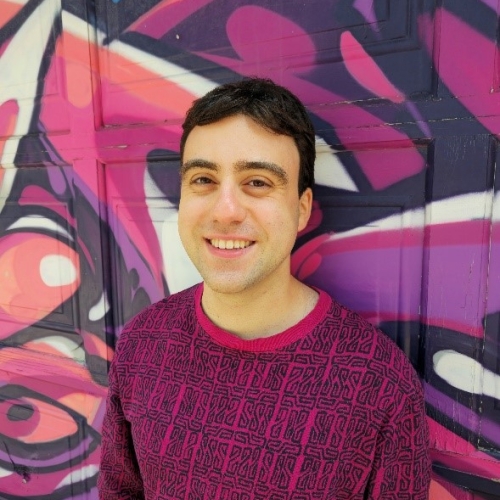
Michael Wainberg, PhD
Assistant Professor of Psychiatry
Lunenfeld-Tanenbaum Research Institute
University of Toronto
Dr. Michael Wainberg is an Investigator at the Prosserman Centre for Population Health Research at the Lunenfeld-Tanenbaum Research Institute. He is an Assistant Professor of Psychiatry and an Associate Member of the Institute of Medical Science at the University of Toronto. The Wainberg lab applies statistics, machine learning and other computational approaches to large biomedical datasets to learn how genetics causes brain diseases, with the overarching goal of finding new drug targets for these diseases.

Luda Diatchenko, MD, PhD
Professor-Department of Anesthesia, Faculty of Medicine and Health Sciences
Professor-Faculty of Dental Medicine and Oral Health Sciences, Faculty Associate Member Department of Medicine
Luda Diatchenko, MD, PhD earned her MD and PhD in the field of Molecular Biology from the Russian State Medical University. Dr. Diatchenko started her career in industry, she was a Leader of the RNA Expression Group at Clontech, Inc., and subsequently, Director of Gene Discovery at Attagene, Inc. During this time, Dr. Diatchenko was actively involved in the development of several widely used and widely cited molecular tools for the analysis of gene expression and regulation. Dr. Diatchenko’s academic career started at 2000 in the Center for Neurosensory Disorders at the University of North Carolina. Her research since then is focused on determining the cellular and molecular biological mechanisms by which functional genetic variations impact human pain perception and risk of development of chronic pain conditions, enabling new approaches to identify new drug targets, treatment responses to analgesics, and diagnostic. Dr. Diatchenko is a frequent speaker at national and international pain research conferences. Multiple collaborative activities allow the Diatchenko group to take basic genetic findings all the way from human association studies, through molecular and cellular mechanisms, to animal models, and ultimately to human clinical trials.