Funding Opportunities | CDI
Explore our Funding Opportunities
Clinical Translational Research Scholars Program (CTRSP)
Purpose
Diabetes, along with its spectrum of related and comorbid diseases, represents one of the most prevalent and devastating health problems in Michigan, across the US, and worldwide. The University of Michigan (UM) possesses an array of resources (including strong clinicians, world-leading basic research, and a small but strong clinical research footprint) with which to address the challenges posed by diabetes and related disorders. Addressing these challenges requires planning and coordination among the many existing UM diabetes-related programs, however. The Caswell Diabetes Institute serves to coordinate among and support the various diabetes-related programs across Michigan Medicine.
Developing and supporting infrastructure and otherwise facilitating clinical research related to diabetes represents a major focus for the Caswell Diabetes Institute, along with its partner centers: the Michigan Diabetes Research Center (MDRC), the Michigan Center for Diabetes Translational Research (MCDTR), and the Michigan Nutrition and Obesity Research Center (MNORC). The Caswell Diabetes Institute Clinical Translational Research Scholars Program seeks to identify and support the most promising early-stage scholars focused on clinical research relevant to diabetes. The Caswell Diabetes Institute Clinical Translational Research Scholars Program will provide up to 50% salary support for up to 3 years, protecting this time from clinical care duties to allow successful clinical research scholarly activities. The Caswell Diabetes Institute Clinical Translational Research Scholars Program will also provide strong mentoring regarding research and career advancement.
Eligibility
UM-based early-career faculty members seeking to establish a career in clinical/translational research relevant to diabetes (including obesity, metabolism and the complications of diabetes). The candidate and the department/division must commit to protecting at least 50% of the awardee’s time toward scholarly activities relevant to clinical/translational research, requiring that any clinical care commitment be less than 50%. A letter of commitment/support from the applicant’s department chair (or division chief, as appropriate) must affirm this commitment to protecting time for scholarly activities.
Applicants should have at least a main clinical/translational research mentor and defined support (or a path toward support) for a clinical/translation research project or projects relevant to diabetes. The applicant and mentor must also clearly define how this award would lead to an independent career in diabetes-related clinical/translational research for the awardee.
Proposals
The Caswell Diabetes Institute Committee on Clinical Research, Mentoring and Development reviews applications.
Decisions communicated by April 15, 2025 for July 1, 2025 funding.
Awards support 50% of the salary of selected individuals for three years. We envision supporting one new scholar each year.
Awardees are required to submit brief annual reports detailing their career and research progress, including information regarding their publications and/or grant funding.
Interested applicants or for more information regarding the Caswell Diabetes Institute Clinical Translational Research Scholars Program (CTRSP), please contact [email protected].
Current CTRSP Scholars
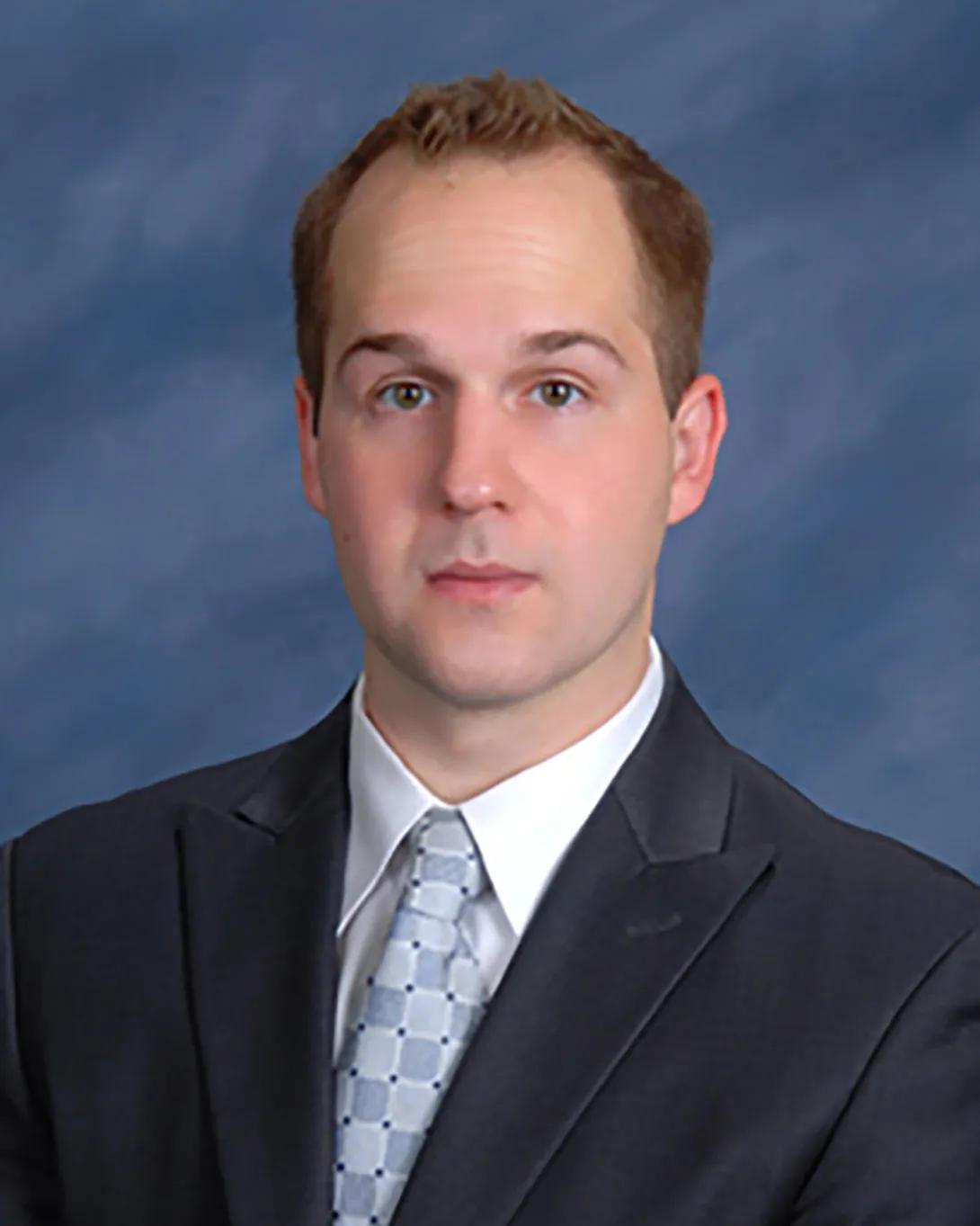
David T Broome, MD
Medical School
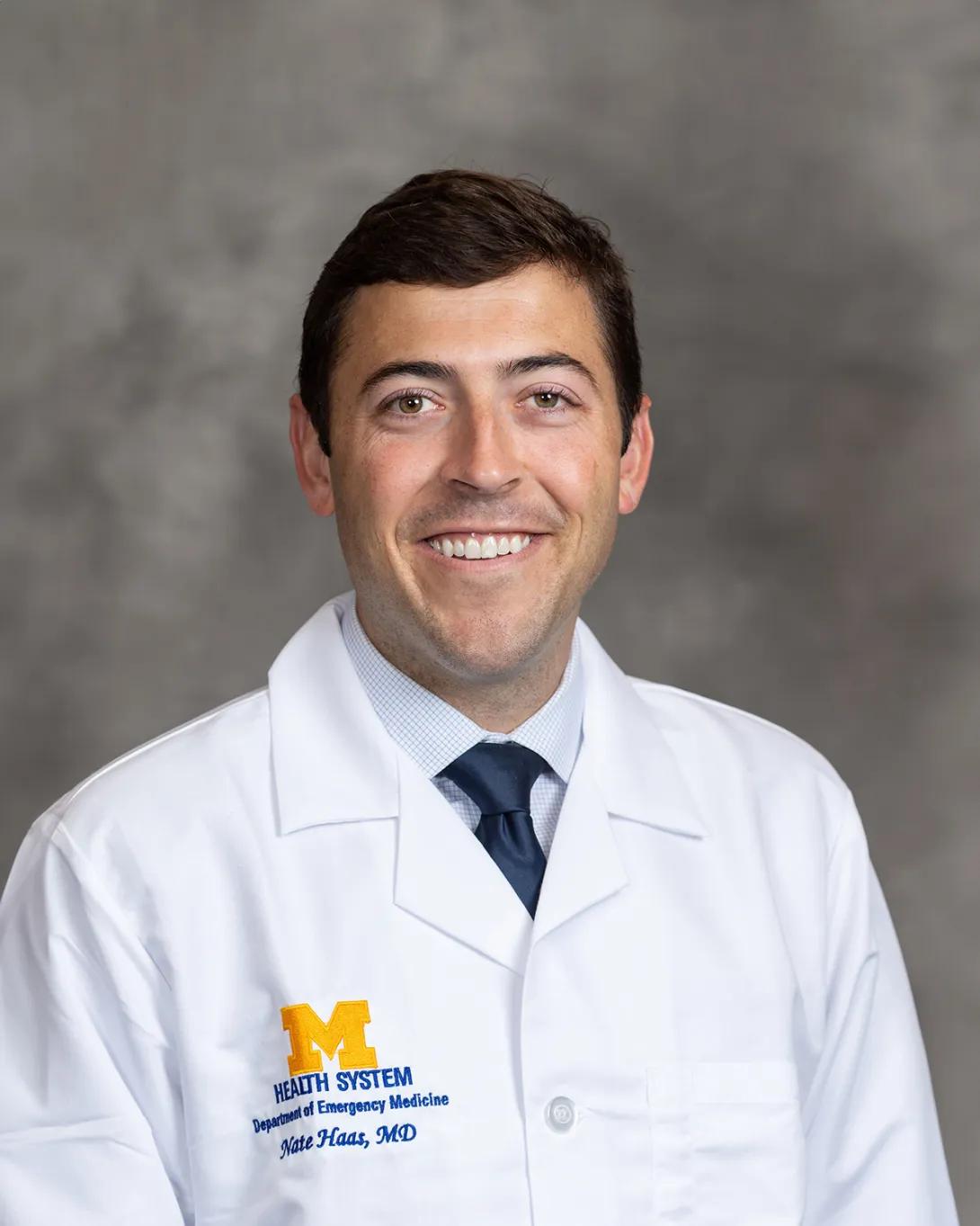
Nathan Haas, MD
Clinical Associate Professor of Emergency Medicine
Medical School
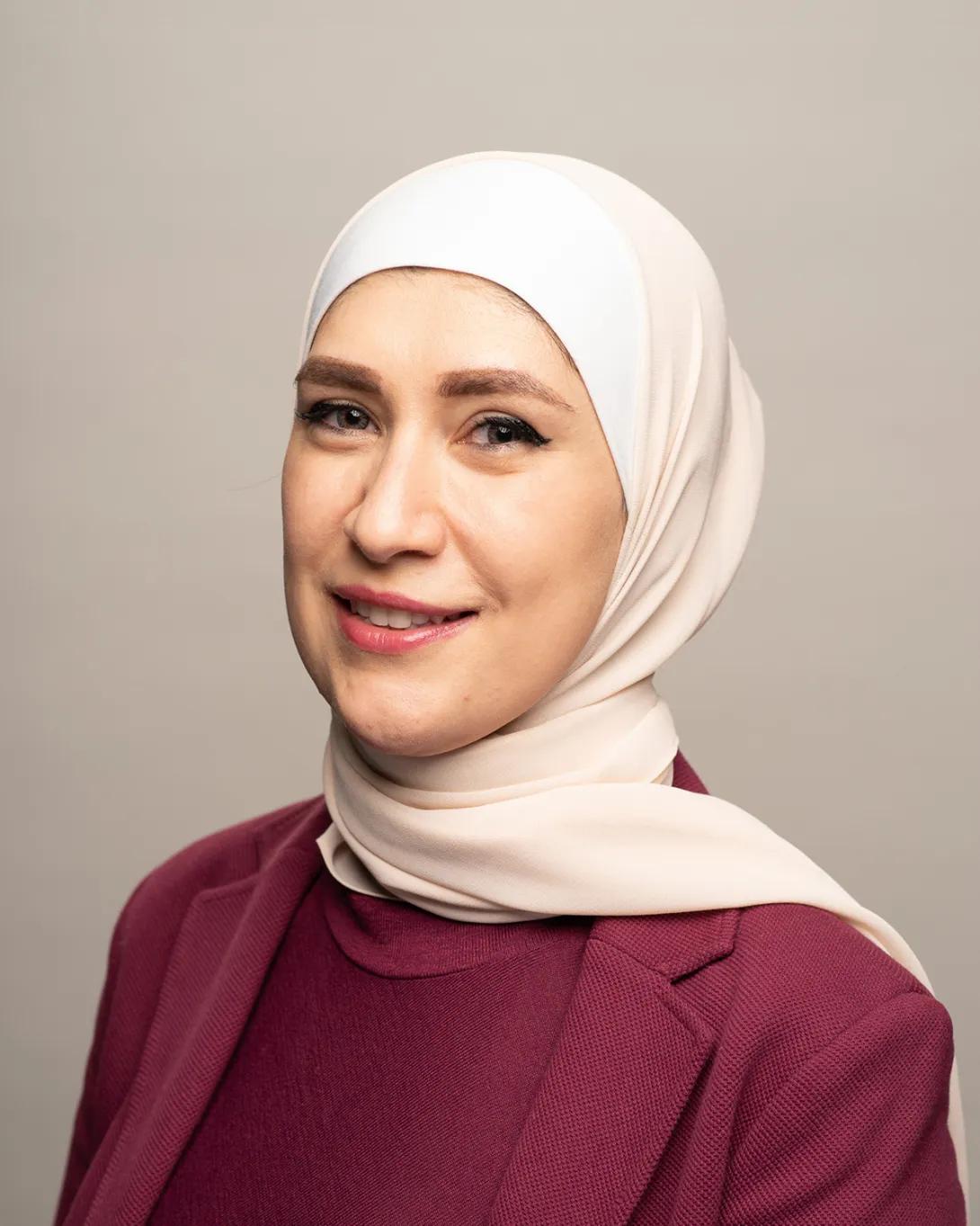
Noura Nachawi
Medical School
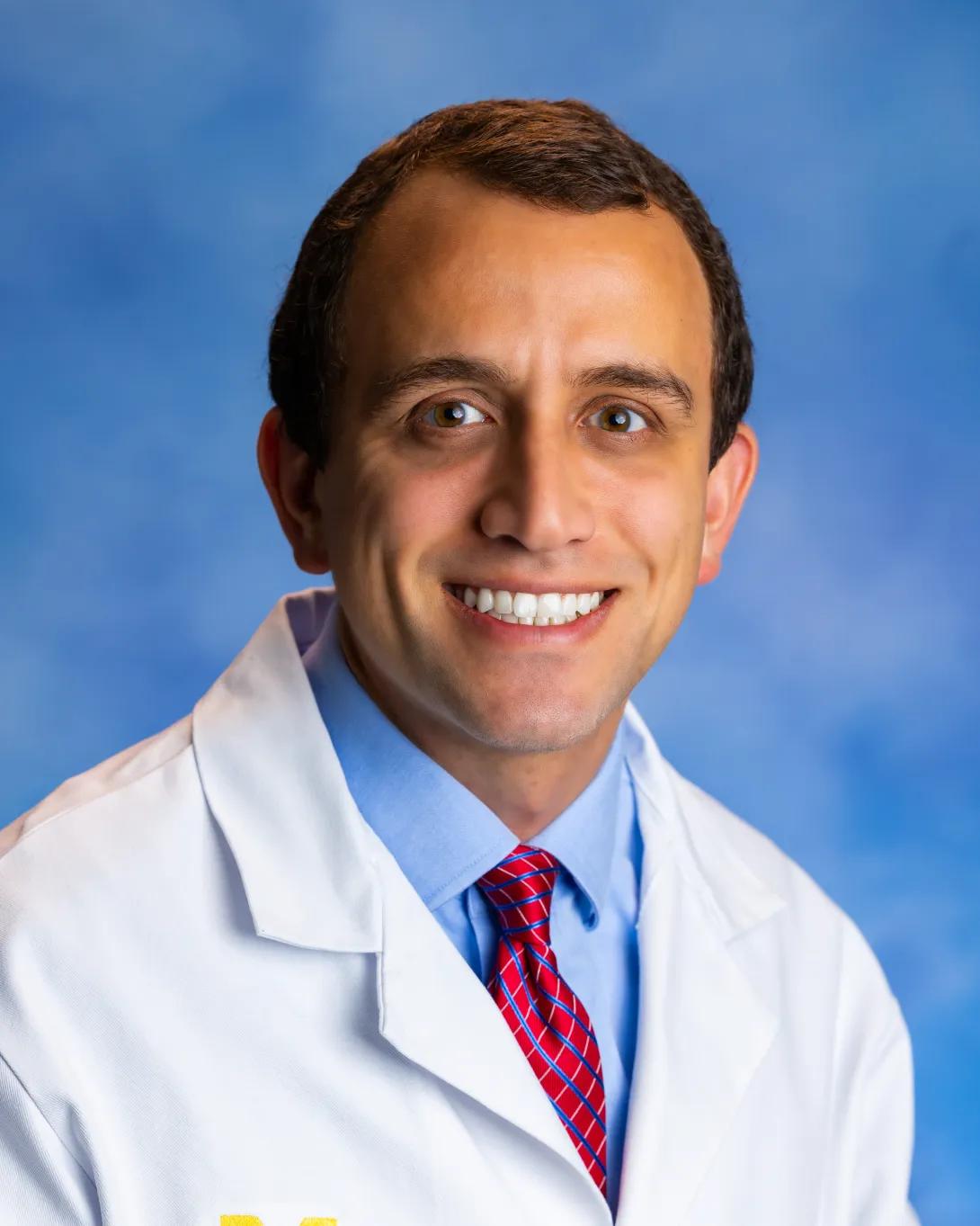
Christopher Girgis, DPM
Clinical Assistant Professor of Surgery
Medical School
Former CTRSP Scholars
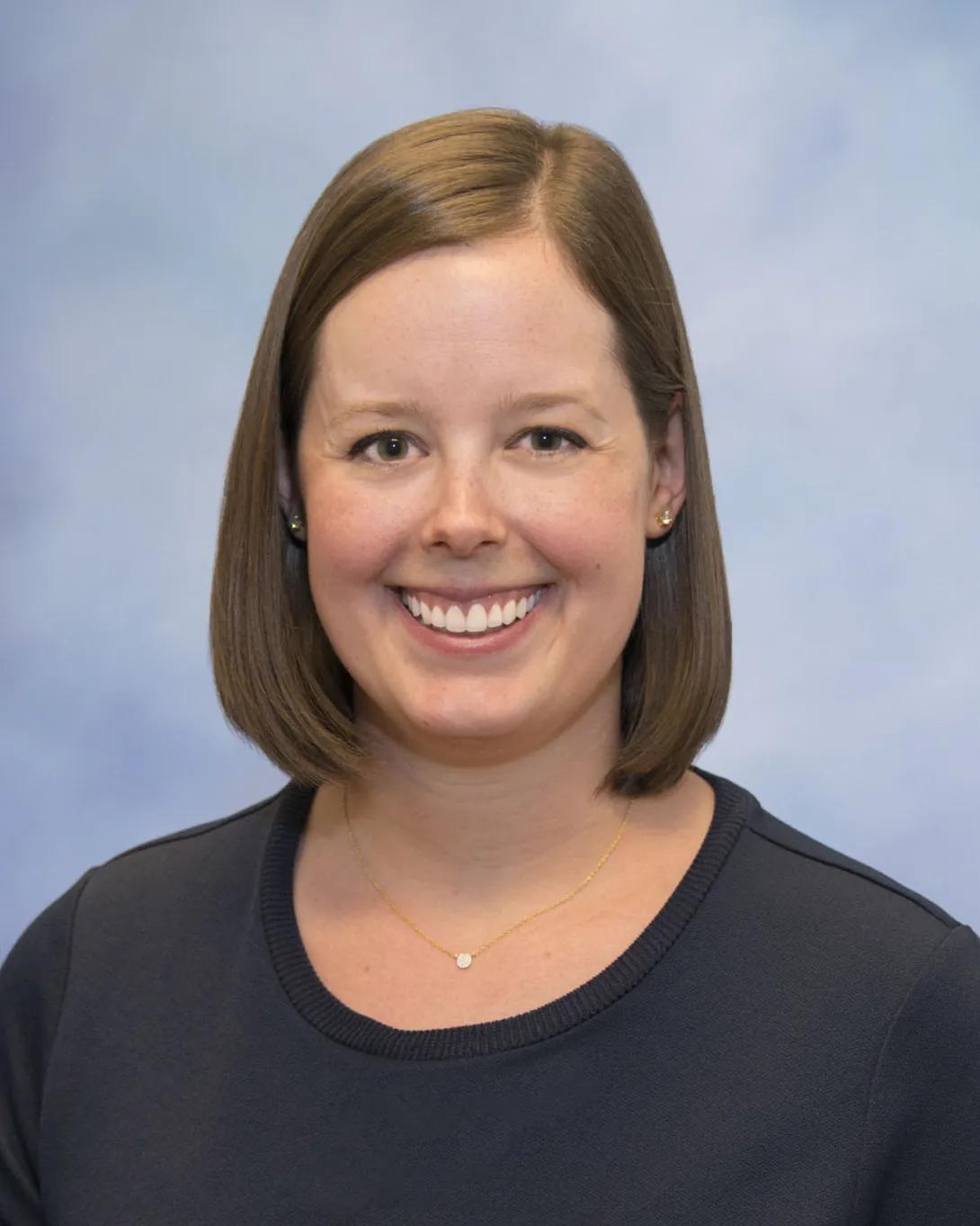
Lindsay A Ellsworth
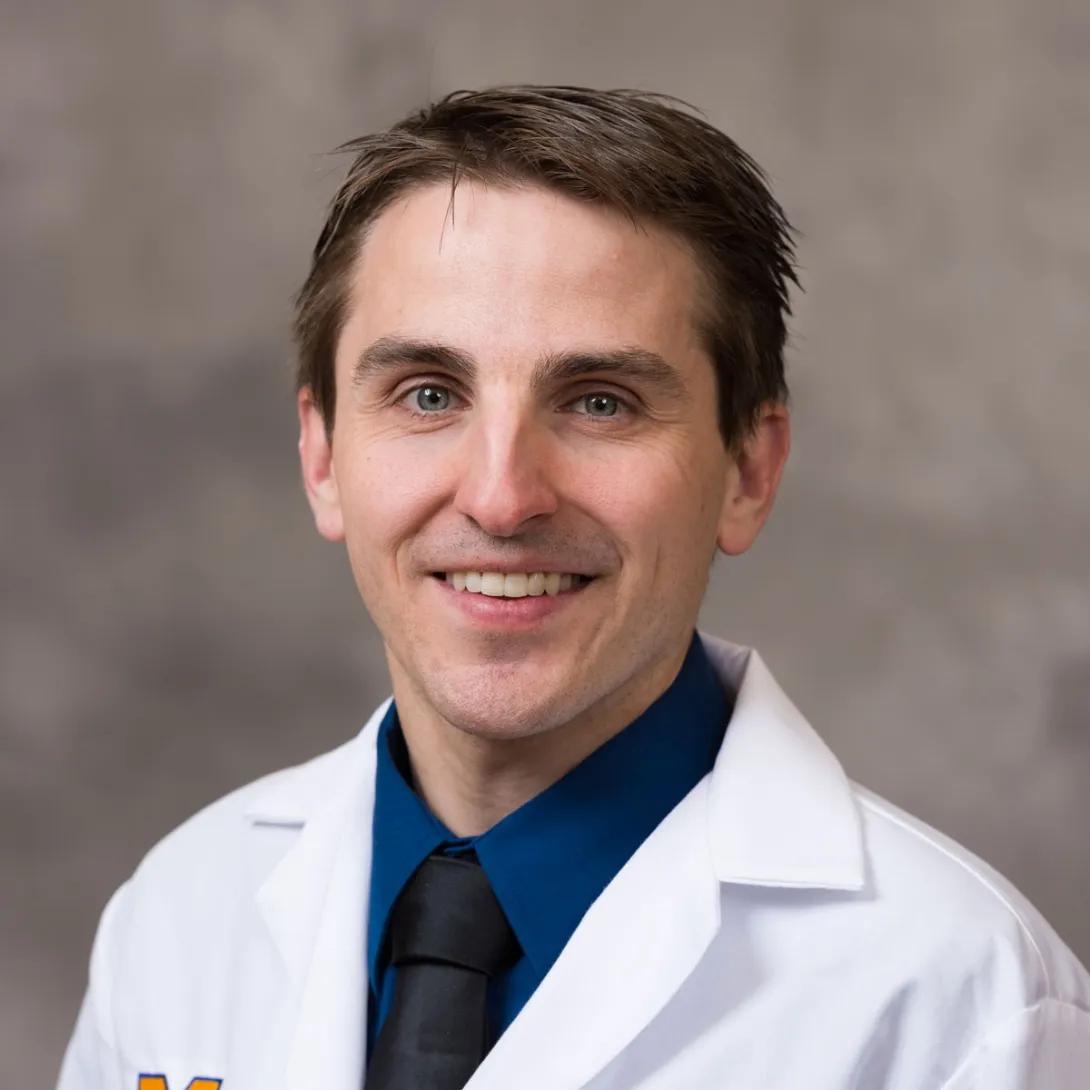
Brian M Schmidt, DPM, DABPM
Internal Medicine
Clinical Associate Professor of Internal Medicine and Clinical Associate Professor of Surgery
Medical School
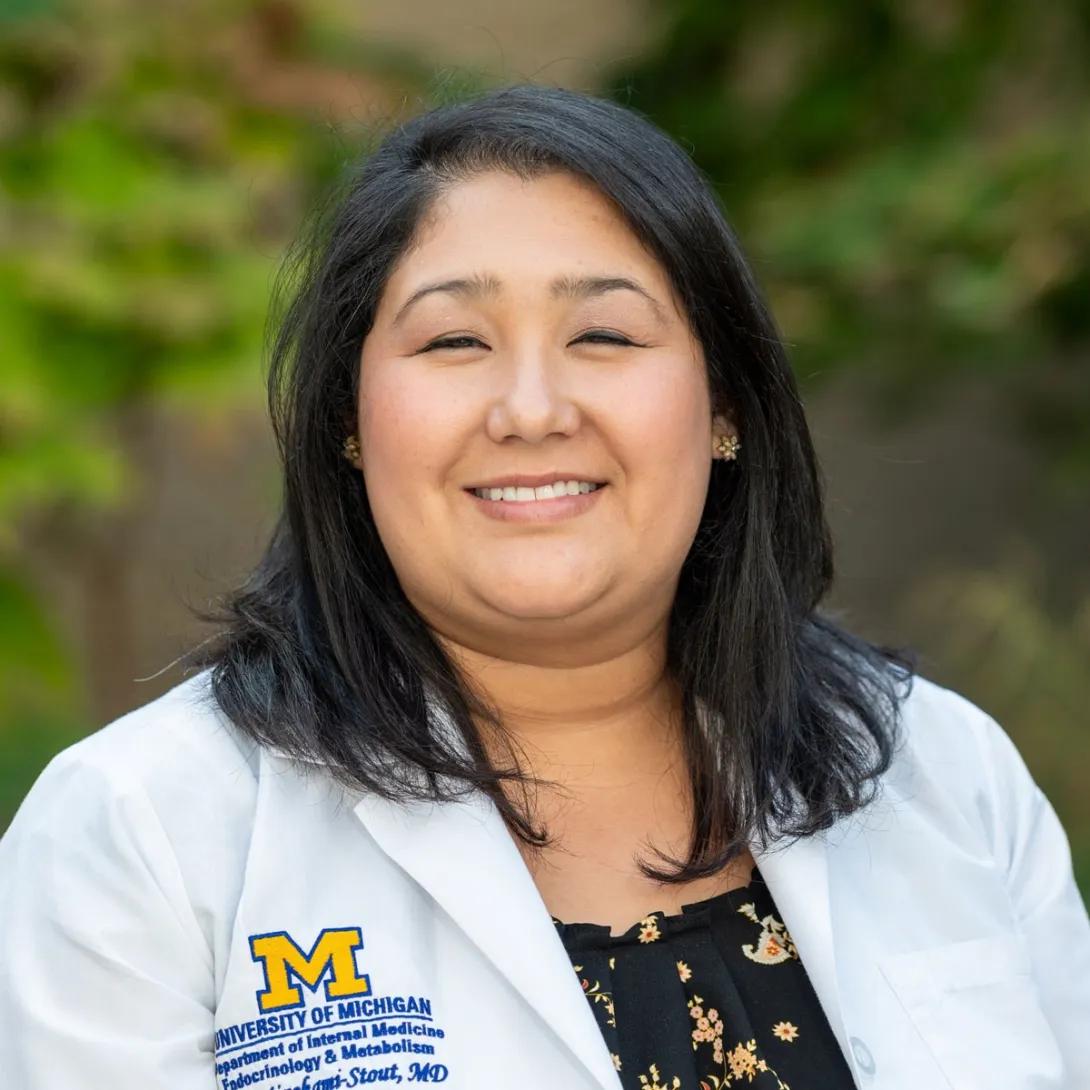
Kara Mizokami-Stout
Program Director, Internal Medicine
Medical School
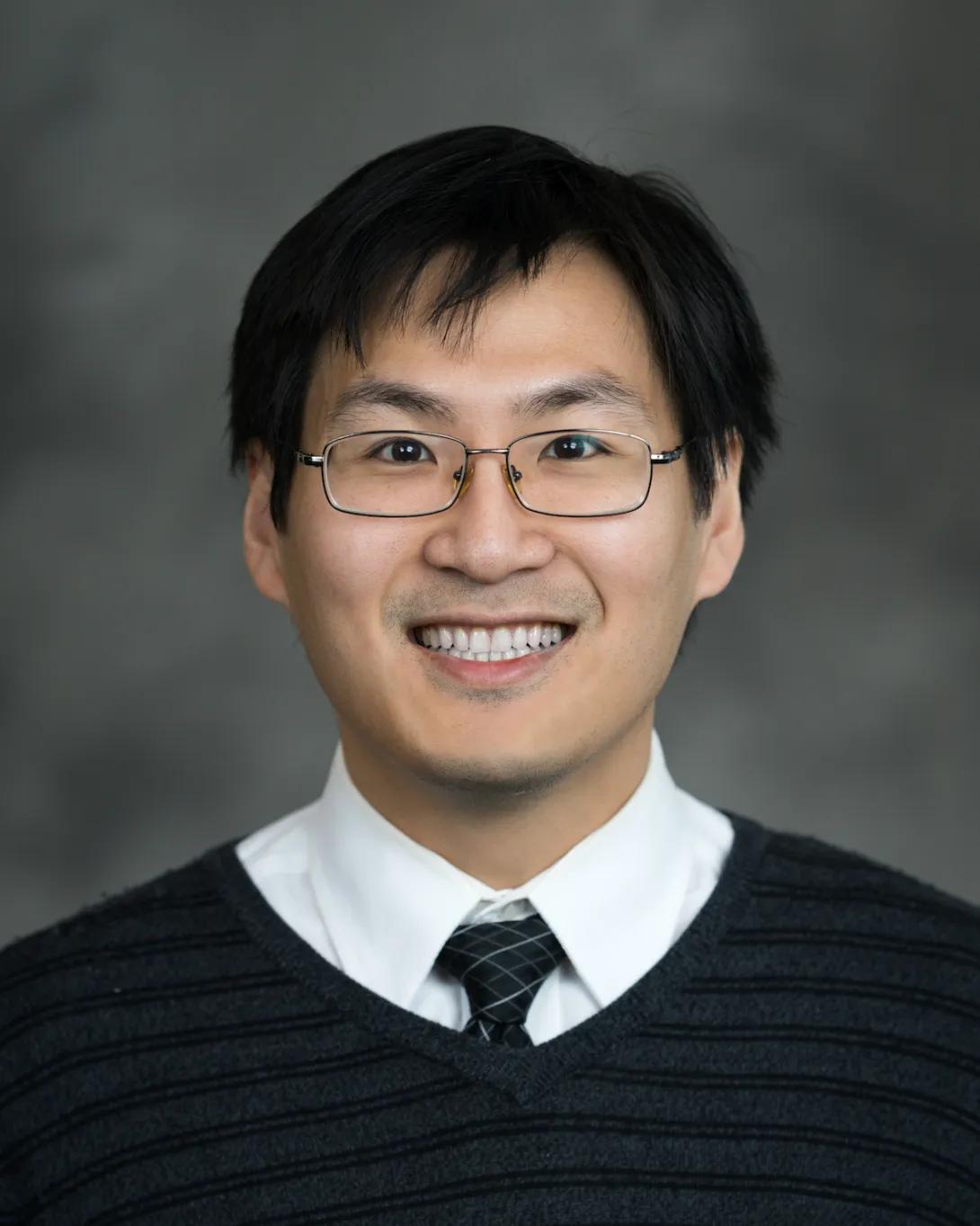
Yu Kuei Alex Lin, MD
Medical School
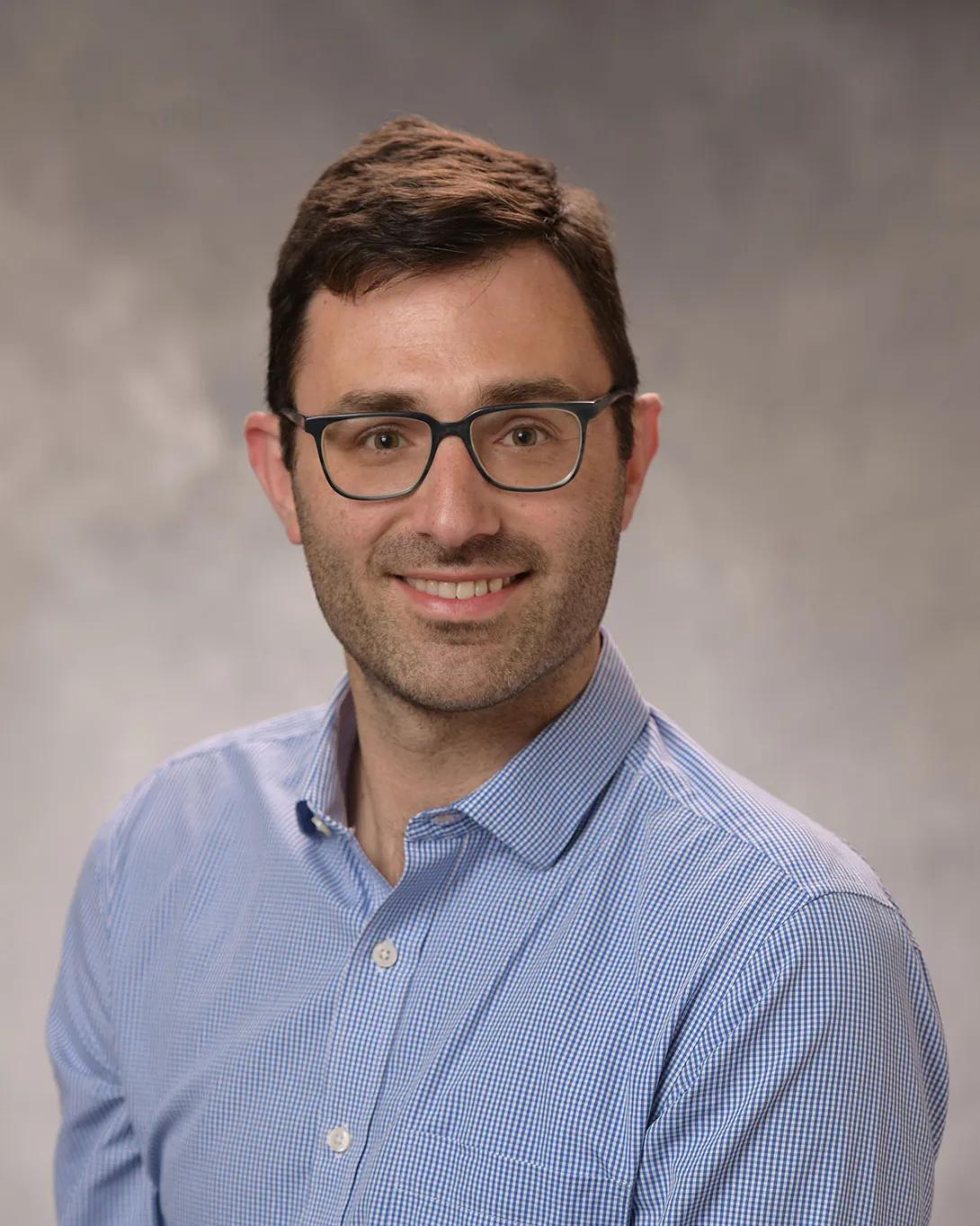
David Flood, MD, MSc
Medical School
Fernandez Buddin Type 1 Diabetes Fellowship
The Fernandez Buddin Family Foundation Fellowship will support a fellow to continue advancing towards a cure for Type 1 Diabetes (T1D).
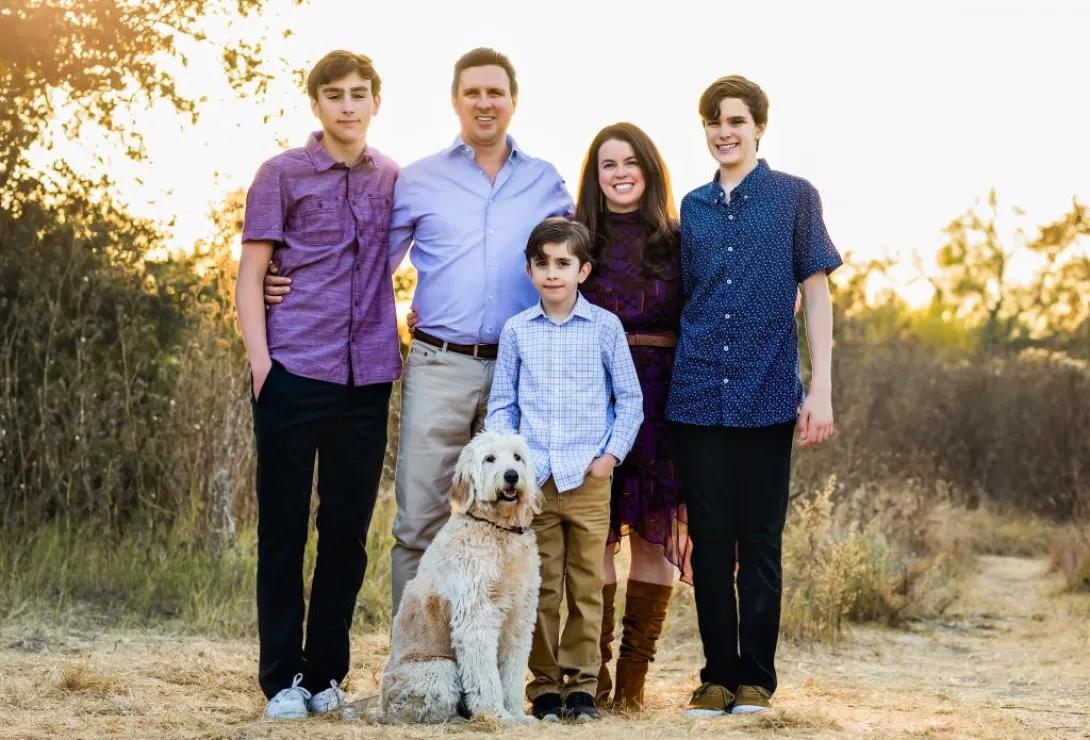
"We established the Fernandez Buddin Family Fellowship Fund at the University of Michigan to support type 1 diabetes research. Our oldest son was diagnosed with type 1 diabetes a few weeks before his 13th birthday. Being a T1D family we are motivated to help scientists find a cure for type 1 diabetes and we were led to the University of Michigan because of their renowned multi-disciplinary scientific research and commitment to diabetes research."
Purpose
The Fernandez Buddin Type 1 Diabetes Fellowship Grant Program (FBT1D) is sponsored by a generous gift to the Caswell Diabetes Institute (CDI) which created an endowment to support a promising research fellow in pursuit of improving our understanding of the causes of Type 1 Diabetes (T1D) and developing new cures. The goal of the program is to support promising fellows as they seek to develop a future independent career in T1D research.
Grant proposals can be anywhere in the spectrum of basic biomedical, clinical, or translational research, focused on key questions regarding the pathogenesis, diagnosis, prevention, or treatment of T1D. Specifically, the proposal is an “Idea” grant, focused on development of a novel approach, model, therapy, or reagent that could be mechanistically or therapeutically linked to ongoing and future research in T1D. Preliminary data is not required in support of the application.
Eligibility
Individuals currently serving in a post-doctoral or clinical fellowship capacity at the University of Michigan are eligible to apply in collaboration with their research/clinical mentor. These fellows should hold an MD, PhD, DVM, DPM, or other comparable degree. While applicants currently supported by other fellowship support programs (T, F, institutional fellowship or training awards) are eligible to apply, those with later-stage grants to aid the transition to independence (K grants, career development awards, etc.) are not eligible. Only one trainee may apply per research/clinical faculty mentor each year.
Proposals
The proposals should be for one year of support, with requested funding up to $20,000. The CDI FBT1D Committee will review and rank the applications based on scientific merit and relevancy to T1D research. We anticipate funding one award, with funding to begin January 1, 2027.
The FBT1D awardee will be queried annually by CDI administrative staff and is required to provide information on the progress, publications, and funding that stem from the fellowship grant, as well as future funding and other career progress. The fellowship awardee is also expected to present their research at the annual CDI Metabolism, Obesity, Nutrition and Diabetes research symposium.
Fernandez Buddin Fellows
Whenzhen Zhu, PhD
Russell Urie, PhD
Manuj Bandral, PhD, MSc
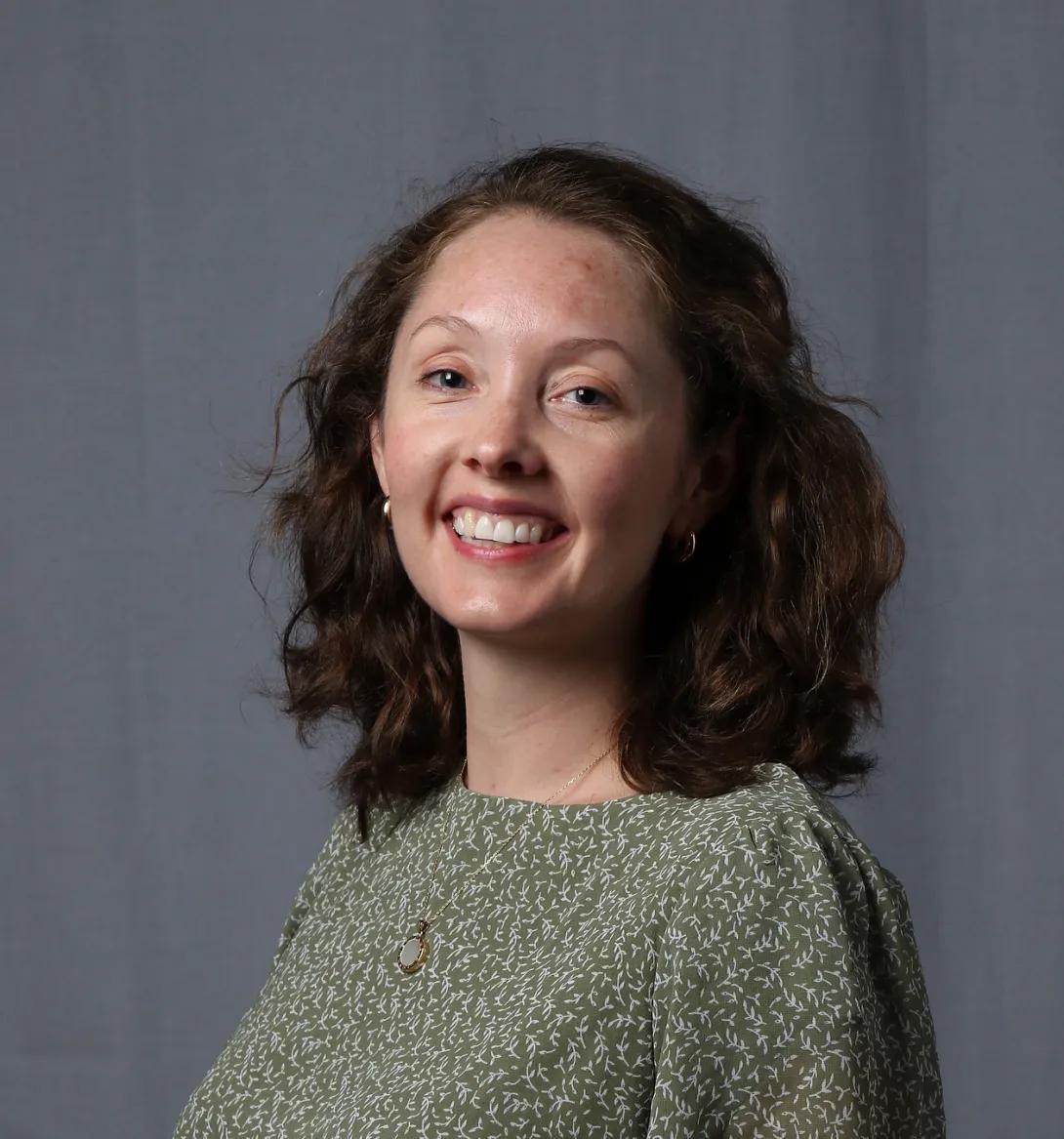
Cassie Robertson, PhD
Pilot & Feasibility
CDI and Departmental of Internal Medicine Faculty Quality Improvement Award
The Department of Internal Medicine Faculty Quality Improvement Award is designed to provide faculty with the time and resources to complete a QI project from concept through implementation.
- We seek projects that support value-based care, clinical outcomes, and BASE (Belonging and inclusion, Access, Safety and quality and Experience) principles.
- Applicants should have a desire to develop their QI skills by engaging in an immersive experience with support from our Clinical Experience and Quality (CEQ) team.
NEW THIS YEAR
CDI is partnering with the Department of Internal Medicine to offer the Caswell Diabetes Institute and Faculty QI Award. This new award is available for QI projects specifically related to diabetes or obesity in any Internal Medicine specialty. This opportunity supports faculty in addressing the comprehensive needs of patients with diabetes, obesity, and related conditions by implementing evidence-based practices, fostering interdisciplinary collaboration, and driving high-quality, patient-centered care.
ELIGIBILITY
All active Department of Internal Medicine clinical-track faculty with at least a 50% clinical appointment within the Department are eligible to apply.
QI AWARD BENEFITS AND RESOURCES
- 10% funded clinical effort for full academic year (July 1, 2026 – June 30, 2027)
- $5,000 for incidental project, statistical support, and conference expenses (Note: Funding cannot be used for salary and benefits for staff support.)
- A Continuous Improvement Specialist will be assigned to co-lead the project with you. This will include facilitation of the entire QI project cycle (scoping, current state, root cause analysis, recommendations, implementation, post-evaluation) and data acquisition (metric development, data, and dashboards).
- Dedicated data analytics support, by the CEQ or CDI team depending on award.
- CEQ and CDI Leadership support as Project Sponsors
Applications must be submitted to [email protected]
by 11:59 pm on February 2, 2026.
NOTE: ONLY INDIVIDUALS INTERNAL TO MICHIGAN MEDICINE MAY BE ABLE TO ACCESS THE APPLICATION.
The application cycle for this year has concluded.
The application submission and review process steps:
- The first step is to submit a short summary of the project with components detailed below by February 2, 2026, by 11:59 pm.
- CEQ team reviews to ensure applications meet application criteria by February 4, 2026.
- First Round
- February 5 – February 19, 2026
- Representatives from the Internal Medicine Quality Council and CDI will be invited to score applications
- Top three-five applicants are identified as finalists
- Second Round
- Finalists are invited to present their project idea during a 20-minute time slot on the following days (Finalists must ensure they are able to accommodate this request to present):
- Tuesday, March 17 between 12:00pm-5:00pm
- Friday, March 20 between 9:00am-1:00pm
- Friday, March 27 between 9:00am-1:00pm
- Representatives from the Internal Medicine Quality Council, CDI and the CEQ Team will rank order application presentations (guided by evaluation criteria).
- Finalists are invited to present their project idea during a 20-minute time slot on the following days (Finalists must ensure they are able to accommodate this request to present):
- The winner will be announced in early April 2026.
Evaluation Criteria
The evaluation scoring document provides additional information regarding the selection committee’s priorities.
Application Consulting
- If you have questions about your application, you can contact an Internal Medicine Continuous Improvement Specialist for a consulting/coaching meeting by emailing: [email protected].
- Mentoring by an Internal Medicine Quality Council faculty representative is encouraged. If interested, we can connect you with a faculty representative who can help you appropriately scope your project. Please respond to Liz Spranger ([email protected]) by November 21, 2025, with your project idea, if you would like to be paired with a QI faculty mentor.
Tips for Completing the Application
- We are looking for early-stage QI ideas; not projects where interventions have been identified and are in the process of implementation.
- If you are familiar with A3 Problem Solving, think “left side A3” to complete the application.
- Describe the problem and the identified gap at a high level.
- Describe the significance and impact of the project.
- You do not need completed analysis and robust/comprehensive data at this point.
- You do need to show us that the project idea has been scoped for a one-year timeline.
- It is acceptable to scope smaller to start to fully achieve the project through completion.
- To standardize the application process, ensure fairness to all applicants, and ease the review process for our selection committee we ask that you use the standard template provided to submit your application. We ask that you limit your word count to 1000 in Section 2. If you are selected as a finalist, supplemental material can be provided in your presentation.
Post Project Expectations
- Present project and findings to Internal Medicine Quality Council.
- Prepare a Quality Month poster.
- Present project and findings at Internal Medicine Grand Rounds.
- Consider submitting project and findings for publication in manuscript.
Questions
Please feel free to contact Liz Spranger, Continuous Improvement Specialist, at [email protected].
2026 CDI and Department of Internal Medicine Faculty Quality Improvement Award Winner