Research Scout Scholars: Shahzad Mian, MD, Lev Prasov, MD, PhD & Yan Zhang, PhD
Meet the Great Minds Research Scout Scholars
Author |
What began as a doctor’s deep desire to save his patients’ vision turned into a collaboration with a bold idea: changing the very genetics underlying a severe type of eye disorder.
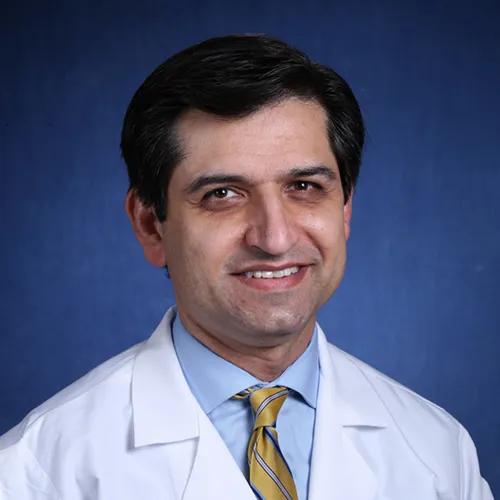
Shahzad Mian, M.D., Chair and Professor, Ophthalmology and Visual Sciences and Director of U-M’s Kellogg Eye Center recounts that for more than 25 years, he’s been consistently frustrated by the lack of options for his patients with inherited corneal dystrophies, wherein the front surface of the eye is damaged leading to a loss of vision over time. While there are treatments for the condition, they are limited in their benefit, with the disease recurring.
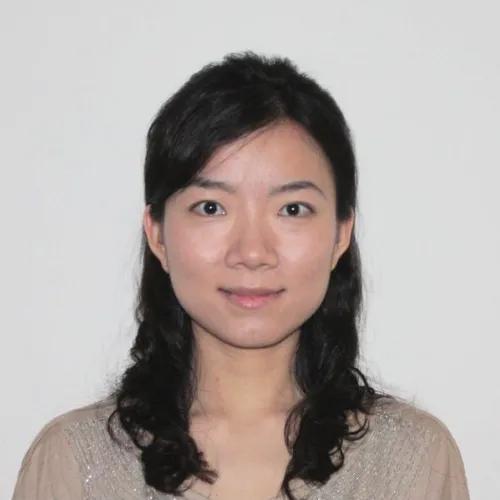
Together with Lev Prasov, M.D., Ph.D. an assistant professor of ophthalmology and visual science and human genetics, and Yan Zhang, Ph.D., associate professor of biological chemistry and microbiology and immunology, their research team combined both discovery and clinical science in search of an answer.
To that end, Prasov applied his extensive knowledge of the genetics of eye diseases. He recognized that because each patient’s genetics combined in a unique way to lead to their conditions, their therapeutic approaches would also need to be targeted.
Zhang’s expertise in using CRISPR strategies–a revolutionary gene editing technique–to make strategic edits of DNA could be the solution for these patients.
Their Bold Idea:
The team asked, “what if we could use CRISPR to edit and correct the specific variants giving rise to the corneal abnormalities?” If safely done, the method could be an effective way to stop the eye disease’s progression, instead of temporarily fixing blurred vision.
With the Research Scouts funding they were able to begin a study on whether a genetic therapy could work in corneal tissue, first identifying the specific mutations underlying the disease in different families and using in vitro testing to determine the most effective ways to deliver the CRISPR edited therapy without potential off-target side effects.
In the future, with more investment, they hope to perfect the vector for delivering the gene editing reagent and to test the therapies in animal models before moving to patients and their families facing these eye disorders.
In This Story
Shahzad I Mian, MD
Professor

Lev Prasov, MD, PhD
Associate Professor
Yan Zhang, PhD
Associate Professor
Featured News & Stories
Meet Our New Emergency Medicine Fellows and Faculty

What’s changing in Medicaid and what can you do?
Yunlu Zhu Appointed Terry and Shelley Barr Research Professor

Study outlines a new framework for direct cell reprogramming

Is the United States Lagging Behind Europe in Memory Improvement?