Most babies with sickle cell disease face double disadvantage
National study shows two-thirds are born in areas that score high or very high on scale of social vulnerability, suggesting a need for focused effort to support families
5:00 AM
Author |
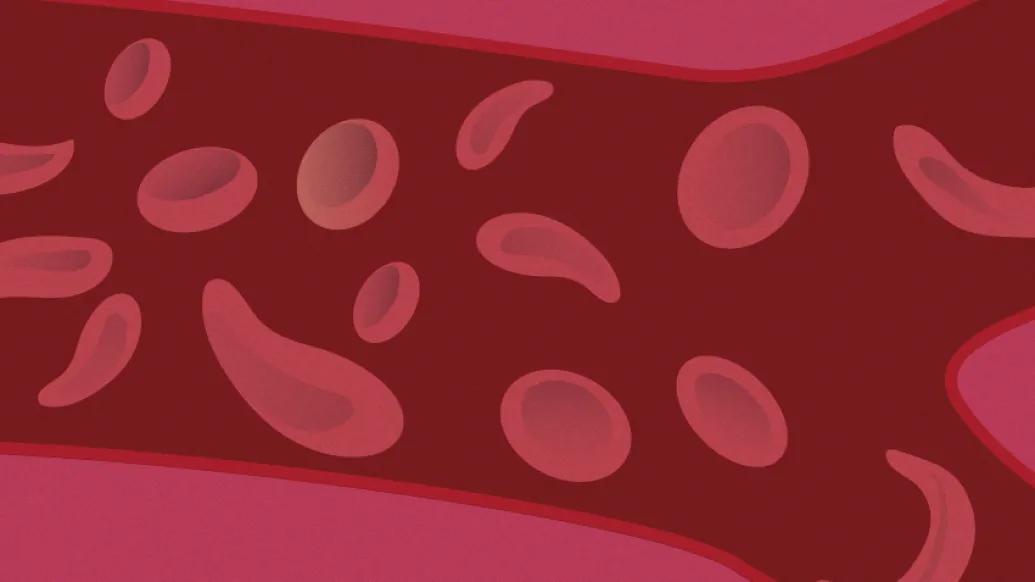
As if starting life with a potentially disabling genetic blood disease wasn’t enough, a study shows that almost two-thirds of babies born with sickle cell disease are born to mothers who live in disadvantaged areas.
But the study shows wide variation between states in the rate of births of babies with sickle cell to residents of areas with crowded housing, limited transportation options and other characteristics.
The researchers say their data could help public health authorities focus efforts to support the complex needs of children with sickle cell disease and their families.
The study was presented recently at the annual meeting of the American Society of Hematology by a consortium of researchers from 11 states who are part of the Sickle Cell Data Collection Program funded by the Centers for Disease Control and Prevention.
That includes increasing use of evidence-based treatments such as antibiotics and hydroxyurea -- drugs that can greatly reduce the condition’s symptoms but are widely underused.
Under-prescribing of such inexpensive and common drugs has received much less attention than two gene-editing treatments for sickle cell disease that recently received approval from the United States Food and Drug Administration, even though the new treatments may cost $2 million or more per child and will involve months of hospitalization at highly specialized medical centers.
The study also finds that sickle cell disease affects 1 in every 350 babies who are Black and not Hispanic, and that 90% of children born with sickle cell disease are Black.
In addition, 57% of children born with sickle cell disease have sickle cell anemia, the subtype that causes the most debilitating symptoms, including pain crises and infections.
If not controlled with medication, these symptoms can lead to frequent emergency department visits, and can affect school attendance, employment, mental health and social relationships.
The findings are some of the first to look at the rates and variations in births of children with sickle cell disease and examine county-level social vulnerability that may affect outcomes since national newborn screening for the condition took effect in 2006.
Among the researchers is Sarah Reeves, Ph.D., a University of Michigan epidemiologist based in the Department of Pediatrics at Michigan Medicine and the Susan B. Meister Child Health Evaluation and Research Center or CHEAR.
Reeves notes that 315 of the 3,305 babies born with sickle cell disease in these states between 2016 and 2020 were born in Michigan.
“This work and other studies speak to why there is such a lack of access to high-quality care in this population,” she said. “Sickle cell disease is complex to manage for anyone, but for people from less-advantaged backgrounds living in under-resourced areas, it’s even harder.”
As leader of the Michigan Sickle Cell Data Collection Program, Reeves has been working to study data on Michigan’s sickle cell population of all ages, and the care they receive.
She has also worked with the Michigan Department of Health and Human Services to find new ways to identify individuals with sickle cell disease who aren’t yet enrolled in an insurance program that is able to cover some or all of their health care costs throughout their lives, even if they already have other kinds of insurance.
Sickle cell disease is complex to manage for anyone, but for people from less-advantaged backgrounds living in under-resourced areas, it’s even harder."
- Sarah Reeves, Ph.D., epidemiologist, Department of Pediatrics, Michigan Medicine
The coverage is part of the Children’s Special Health Care Services insurance program but since late 2021 has covered adults with sickle cell disease too.
But enrollment is far below the number of known people with sickle cell disease in the state.
She and her colleagues have also shown the vast underuse of antibiotics and hydroxyurea nationally in previously published studies, as well as the underuse of transcranial Doppler ultrasound scans to detect constricted flow in the arteries supplying the brain, which can predict stroke risk.
Only about 1 in 3 children with SCD are getting stroke screening, 1 in 10 are getting antibiotics, and the rate of hydroxyurea is even lower.
For the analysis presented at the ASH meeting, the researchers used CDC’s Social Vulnerability Index, which combines 16 socioeconomic measures regarding an area’s population.
The researchers looked at SVI at the county level, though one state lacked county of birth for one-quarter of its babies who screened positive for sickle cell disease.
In all states but Colorado, the rate of sickle cell births were highest in areas with high or very high SVI scores. The rate in Michigan was three times higher in areas with very high social vulnerability than areas with low or medium SVI.
Newborn screening for sickle cell disease was instituted nationwide to increase the use of life-saving treatments, especially preventive antibiotics, starting from birth.
Screening can determine if a child is born with one or two copies of the sickle cell genetic trait, or a combination of genes for sickle cell and the related blood disorder thalassemia.
Additional authors include Mariam Kayle, Ph.D., R.N., of Duke University is the lead author of the abstract presented at ASH and published in a supplement to the journal Blood.
Presentation cited: “Sickle Cell Disease Births and Social Vulnerability (2016-2020): A Report from the Sickle Cell Data Collection Program, Blood.”
Sign up for the Health Lab Podcast: Add us on Spotify, Apple Podcasts or wherever you get you listen to your favorite shows.

Health Lab
Explore a variety of health care news & stories by visiting the Health Lab home page for more articles.
Media Contact

Public Relations
Department of Communication at Michigan Medicine
Stay Informed
Want top health & research news weekly? Sign up for Health Lab’s newsletters today!
Featured News & Stories

Emergency EEG study suggests need for faster seizure diagnosis and care options

When should parents stop tracking their kids' location?

Michigan’s Medicaid expansion improved both health and finances

Stopping Ewing sarcoma relapses where they start

Rx Kids linked to reductions in preterm births and low birthweights, fewer NICU admissions