Telemedicine Could Improve Eye Exam Access for People with Diabetes
Virtual collaboration between primary care physicians and ophthalmologists may one day help prevent the top cause of new blindness in the U.S.
7:00 AM
Author |
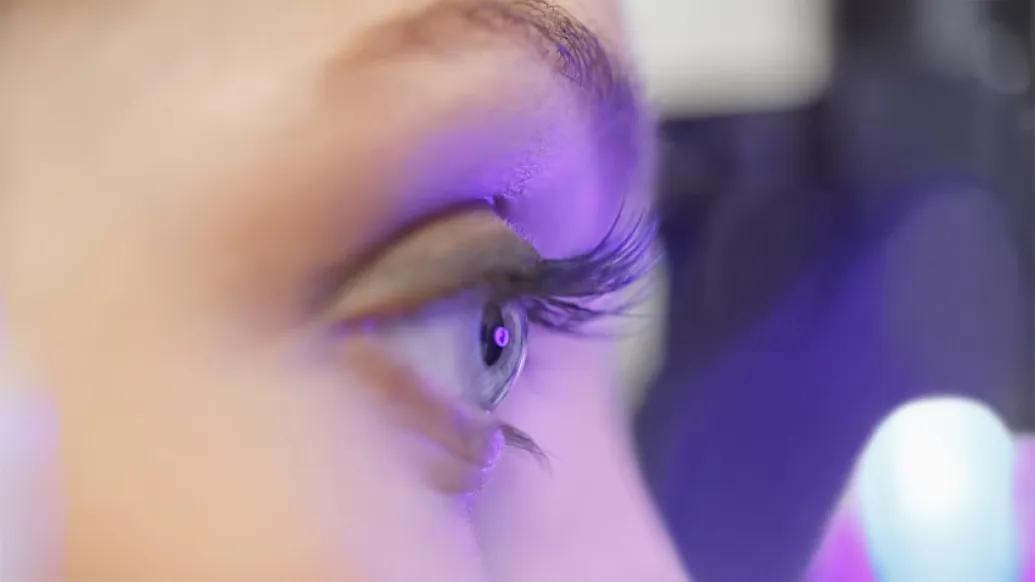
Electronic eye exams could become popular in the U.S. among patients who see them as an easy way to visit the eye doctor.
SEE ALSO: Sugar Shock: Insulin Costs Tripled in 10 Years
After a nationwide telemedicine diabetic screening program in England and Wales, for example, diabetic retinopathy is no longer the leading cause of blindness there.
Similar e-health programs could grow stateside, where diabetic retinopathy remains the main driver of new-onset blindness. But it hasn't been known if patients would participate.
Researchers at the University of Michigan's Kellogg Eye Center conducted a study of older adults to find out. If services are convenient, patients will use them, the investigation found.
Early detection and treatment is key to prevent blindness from diabetic retinopathy, but fewer than 65 percent of U.S. adults with diabetes undergo screening.
In underserved populations, rates can drop as low as 10 or 20 percent.
Shifting screening to a telemedicine program could ease the burden on patients who face high costs of care, lack of access to care or have difficulty with transportation or getting time away from work, researchers say.
Finding ways to address screening will become more important in coming decades, as the number of people with diabetes is projected to more than double to 366 million worldwide by 2030.
"Telemedicine has been shown to be a safe method to provide monitoring for diabetic eye care. If physicians plan to change the way that people get care, we must create a service that is appealing and tailored to the patients," says senior study author Maria Woodward, M.D., assistant professor of ophthalmology at Kellogg Eye Center.
If physicians plan to change the way that people get care we must create a service that is appealing and tailored to the patients.
How electronic eye exams work
Telemedicine allows primary care doctors to play a critical role in preventing eye damage.
SEE ALSO: Enhancing Eye Care with a Smartphone
Retinal photographs are taken of both eyes at the doctor's office using a no-dilation retina camera. The images can be sent over a secure, cloud-based network to an eye care provider who sends a report back to the primary care physician. Based on the findings, the patient is either scheduled for more photographs in the clinic or referred to an ophthalmologist.
In the study, published in Telemedicine and e-Health, only 3 percent of the 97 patients surveyed had heard of telemedicine. But once telemedicine was explained, 69 percent believed telemedicine could be more convenient than traditional one-on-one exams with a specialist.
Patients were less interested in telemedicine if they had been living with diabetes for a number of years, or if they had a good relationship with their doctor. They were more willing to participate if they thought telemedicine would be more convenient than a routine eye exam or they had other health issues that made it harder for them to get to the doctor.
"Patients with long-standing disease are less likely to trust a new, less-personal delivery model. In our study, the highest impact on willingness was convenience of telemedicine," says Woodward, who is a member of the U-M Institute for Healthcare Policy and Innovation. "Our results indicate that willingness to participate in telemedicine for diabetic retinopathy screening reflects how patients perceived convenience, the patient-physician relationship and their own health."
Study patients were recruited from the Duke University Medical Center and the Durham Veterans Affairs primary care and endocrine clinics. The National Eye Institute, Research to Prevent Blindness and the National Center for Advancing Translational Sciences funded the study. U-M co-authors include Paul P. Lee, M.D., J.D., chair of the Department of Ophthalmology and Visual Sciences; Paula Anne Newman-Casey, M.D.; Sean O. Hansen, M.D., Sophia Y. Wang, M.D., and Nita G. Valikodath. The team collaborated with the University of Washington's Thellea Leveque, M.D., MPH.

Health Lab
Explore thousands of health news & research stories by visiting the Health Lab homepage for more.
Media Contact

Public Relations
Department of Communication at Michigan Medicine
Stay Informed
Want top health & research news weekly? Sign up for Health Lab’s newsletters today!
Featured News & Stories
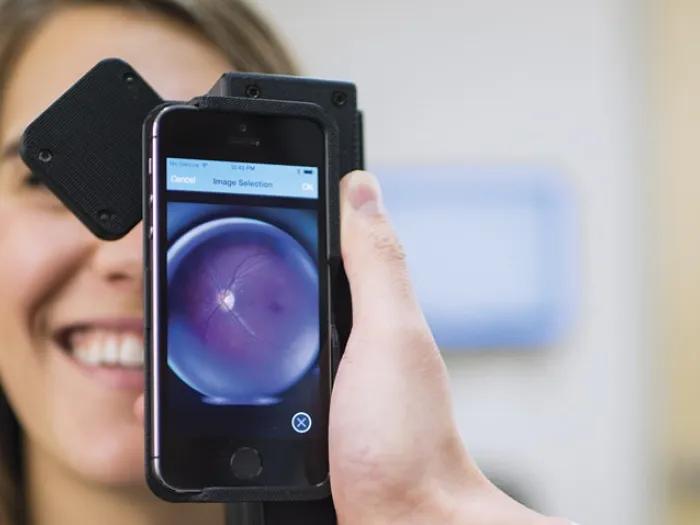
Enhancing Eye Care with a Smartphone

Gene editing is coming for common diseases. Are we ready?
Innovative children’s vision research gets a boost from the Knights Templar Eye Foundation
Many hospitals still don’t do enough to prevent UTIs from catheters

Is the United States Lagging Behind Europe in Memory Improvement?