
MiWaves Study
The MiWaves Study is a University of Michigan research project aimed at helping people improve their health and wellbeing, including addressing the impacts of cannabis use.

Before you can start participating in the study, we will need to make sure you qualify. To find out if you are eligible to participate, please click the survey link or contact the study email.
FAQs
If you are eligible to participate, participation will last around 2 months. You will first be asked to complete an online survey. Then our study team will provide instructions on how to download and use a mobile phone application. You will use the app for 30 days and complete short surveys. After using the app, you will also be asked to complete an online survey. Lastly, around 1 month later, you will be asked to fill out a final online survey.
Although not everyone in our study will benefit from participation, you may find completing the surveys and using the app to be helpful. You will also be compensated up to $266 across the study period.
If you choose to participate in the MiWaves study, your information and participation will be kept confidential and secure. Information collected about you in this study (e.g., survey answers) will not be directly tied to your name or address.
To find out whether you qualify to participate, you will be asked to answer a few brief questions. You can access and complete this brief survey by clicking the survey link or by contacting the research team by email.
Contact Us
MiWAVES Study
2800 Plymouth Road, Building 16
Ann Arbor, MI, 48105
IRB Number: HUM00222194 (This research is not yet recruiting participants, but we will be starting soon!)
Meet Our Team
Principal Investigators
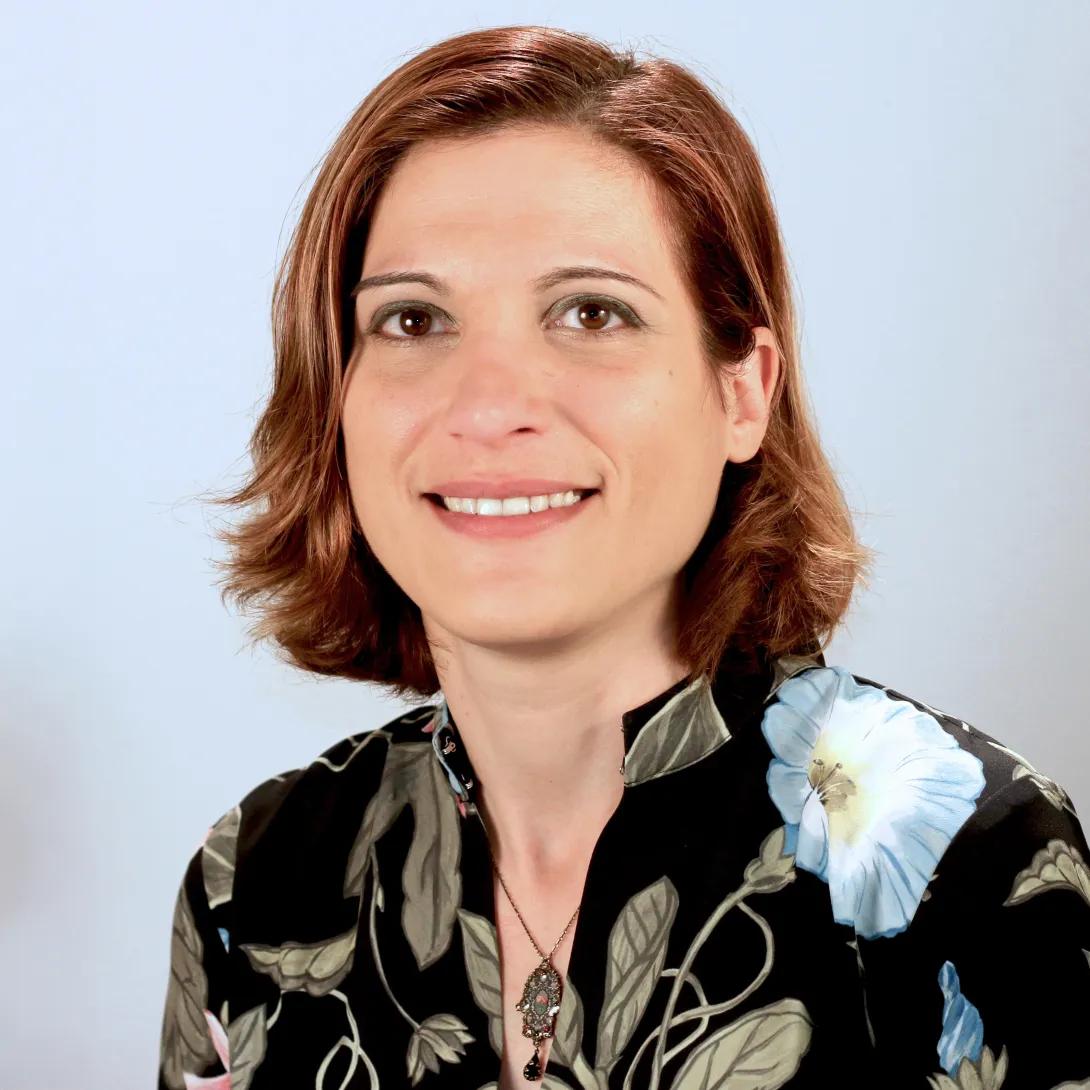
Inbal Nahum-Shani, PhD

Lara N Coughlin, PhD
Co-Investigators

Erin E. Bonar, PhD
The Kathy Fant Brzoznowski Research Professor in Behavioral Health Technology Innovations
U-M Addiction Center
Director of Research Strategy, MI-ACRE
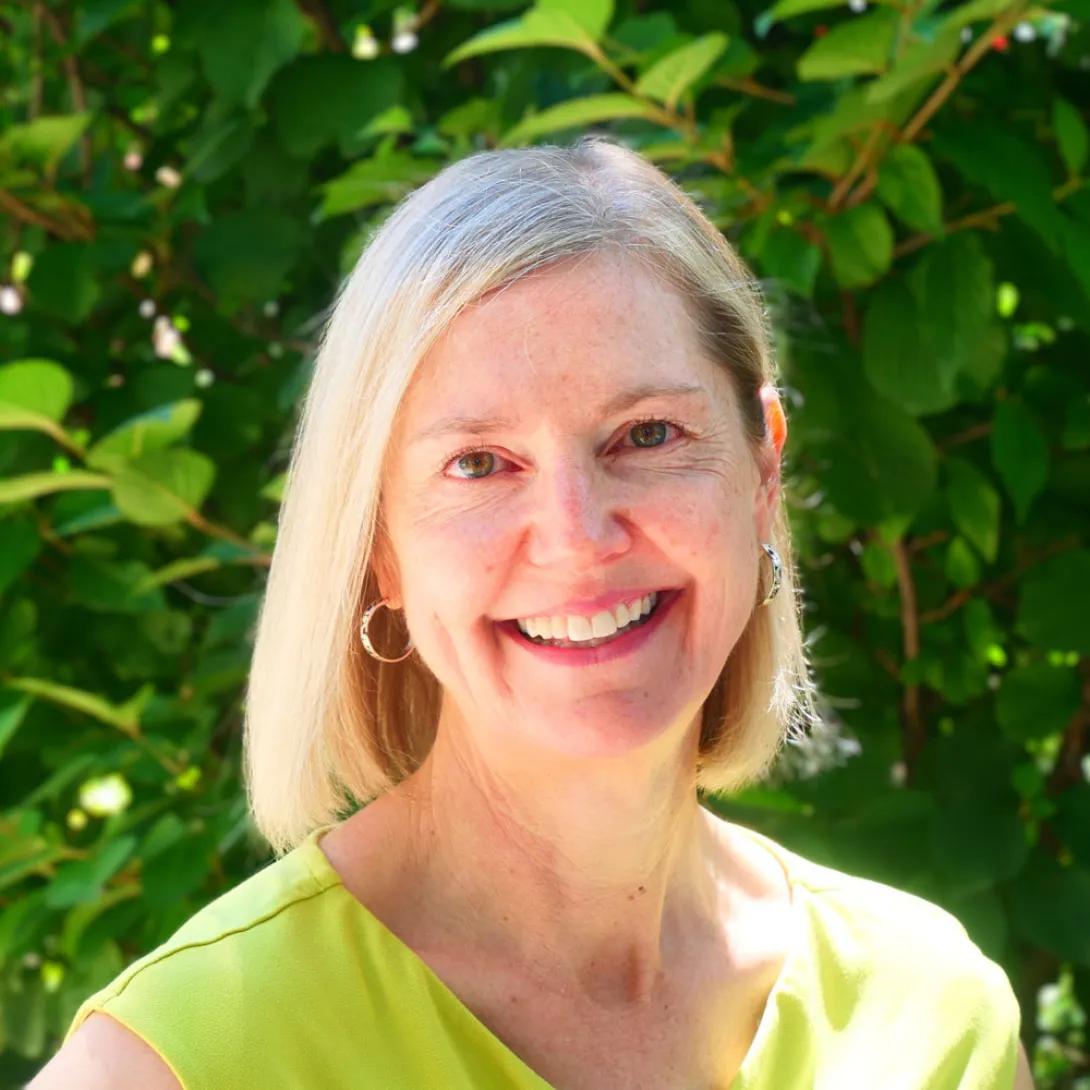
Susan Murphy, ScD, OTR
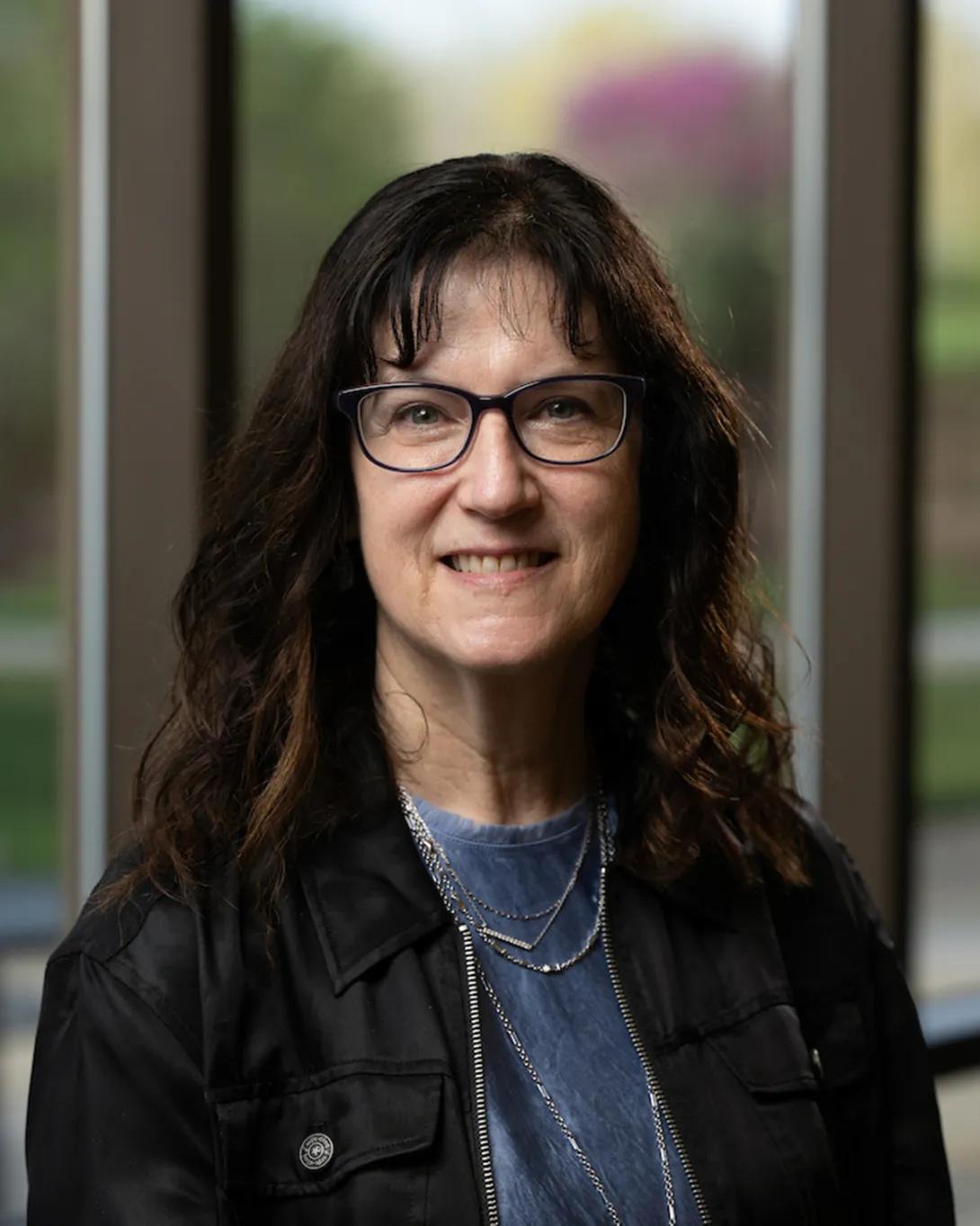
Maureen Ann Walton, MPH, PhD
STUDY TEAM MEMBERS
Maya Campbell
Susobhan Ghosh
Pei-Yao Hung
Meredith Kotov
Chavez Rodriguez
Tiffany Wheeler
RESOURCES
- National Suicide Prevention Hotline (Call 988) - Find a counselor who you can talk to about your feelings or problems
- Crisis Text Line (Text 988) - 24/7 crisis support
- Crisis Lifeline Online Chat
SAMHSA National Helpline
Phone: 1-800-662-4357
Free, confidential information service to speak with someone about mental health, substance use, or family problems, provides information on support groups, community-based organizations, and local treatment options.
SAMHSA Treatment Locator - Find treatment for mental health or substance use in your area.
MentalHealth.gov - One-stop access to U.S. government mental health and mental health problems information.
Mental Health America Information Center - Will put you in touch with local Mental Health Association, who will help you find community mental health services.
Phone: 1-800-969-6642
Boys Town National Hotline
Phone: 1-800 448-3000 (serves girls too)
The Boys Town National Hotline is open 24 hours a day, 365 days a year and staffed by specially trained counselors. Parents, teens and families can find help with a range of issues including abuse, anger, depression, school issues, bullying etc.
Narcotic Anonymous - Support group for those wanting to stop using drugs and or are affected by the drug use of another person.
Al-Anon - Al-Anon is a support group for those worried about someone with a drinking problem. Also hosts Alateen, a recovery program for young people (mostly teenagers up to age 19 years) for those living with problem drinking, or are affected by the problem drinking of another person.
An overdose is when a person takes more alcohol, drugs, or medications than their body can handle. This can lead to death.
What are symptoms of an overdose?
- Blacking out
- Difficulty breathing
- Skin turns blue or pale
- Heart beating too fast or too slow
- Heart attack
What affects my risk of overdose?
- Using drugs, alcohol, or prescription medications after not using them for a while
- Taking a lot of drugs, alcohol, or prescription medications
- Mixing alcohol, drugs, or medications
- Having an illness or disease that affects the heart or lungs
What should I do if I see someone overdose?
- Call 911 or take the person to ER
- Roll the person on their side to prevent choking if they vomit
- Shake them, try to wake them up
- Provide CPR
- Administer Naloxone or Narcan if it involves opioids
What else do I need to know?
- Many people don’t want to call 911 when they see an overdose because of fear of legal problems, but know that you could be saving someone’s life.
- You don’t have to tell the 911 dispatcher your name if you don’t want to.
- You also don’t have to tell the 911 dispatcher that anyone was using drugs but do tell the paramedics when they come so they can help the person better.
Other Resources
- National Poison Control Center:1-800-222-1222 (24 hrs/day)
Hotline to talk to experts about overdose, particularly due to medications
Covenant House - Provides shelter, food, immediate crisis care and other services for homeless youth
The Trevor Project - Crisis Intervention and Suicide Prevention for LGBTQ Youth
United Way 211 - Assists with food, health, housing, crisis, emergencies, and disaster relief.
HUD Public Housing Agency Directory - Public housing assistance and housing choice vouchers for teens, young adults, and adults.
Legal Services
- Legal Services Corporation
- LawHelp.org - Provides financial support for civil legal aid to low-income Americans in every state and U.S. territory.
National Runaway Safeline
Phone: 1-800-RUNAWAY
If you are a child, teen, or young adult needing counseling or shelter referral, please call 1-800-RUNAWAY or visit www.1800RUNAWAY.org - 24 hours a day, 7 days a week, 365 days a year.
A support service and 24-hour helpline for homeless youth. Deals with a wide range of issues, including bullying, suicide, basic needs, health, sex, drugs, alcohol and sex.
Feeding America - Find a food bank in your area.
Trevor Project - Crisis Intervention and Suicide Prevention for LGBTQ Youth
It Gets Better Project - Resource database for LGBTQ+ youth
Trans Lifeline
Phone: 877-565-8860 between the hours of 10 AM and 4 AM EST
Pregnancy & Substance Use:
Using alcohol/drugs during the first stage of pregnancy can cause birth defects and miscarriage.
During the last 12 weeks of pregnancy, alcohol/drug use can cause pre-term births and fetal deaths.
Using marijuana while pregnant or breastfeeding might be harmful to the child. It may cause low birth weight and developmental delays.
Pregnancy:
Payment: Insurance, Self-payment and Medicaid
Parenting/Childcare Resources:
National Head Start Association
Phone: 866-677-8724
Services: Preschool and family program for low-income families. Education, Health care, Social Services, Parent Involvement, Nutrition, and Behavioral Health Services.
Job Corps
Phone: (800) 733-5627
Job Corps is a free education and training program that helps young people learn a career, earn a high school diploma or GED, and find and keep a good job. For eligible young people 16-24 years of age that qualify as low income, Job Corps provides the all-around skills needed to succeed in a career and in life.
Career One Stop - Explore careers, training and jobs. Find local resources that help you look for work and offer job search workshops, free computer access, and more.
Big Brothers-Big Sisters of America
Activities: Volunteers, 17 years of age and older, work one-to-one with a child, sharing experiences and time, to help the child grow into a confident, capable person.
Red Cross Youth -Start your own group or search for existing groups in your area.
YMCA
Activities: Variety of health and fitness programs for individuals of all ages.
Volunteer.gov - Find volunteer opportunities at public sector agencies in your area.
Volunteer Match - Find volunteer opportunities at non-profit agencies in your area. Must create an account to view postings.
Find a Health Center - Will help you find a health center that provides services regardless of your ability to pay and charge for services on a sliding fee scale.
Healthcare.gov - One-stop access to U.S. government insurance marketplace to determine what insurance you are eligible for, preview plans, and get connected with organizations that will assist you in signing up.
What are STIs and HIV/AIDS?
- STI stands for Sexually Transmitted Infection. Common STIs include herpes, syphilis, HPV, genital warts, Gonorrhea, and Chlamydia.
- HIV is the human immunodeficiency virus and causes AIDS.
- A person can have any of these viruses for months or years before any signs of illness appear.
- HIV weakens the body’s ability to fight off infections. Therefore, people with AIDS develop serious infections and cancers.
Why get tested for STIs or HIV?
- You cannot generally tell by looking at someone whether he or she has HIV or an STI. A person can be infected with HIV or an STI and not know it. The only way to be confident that you are not infected is to get tested.
- It is also important to find out if you are infected with HIV or STIs so that you can receive good medical care. Some STIs can be cured with medication, and others can be treated to keep symptoms from bothering you. New treatments for HIV can help keep you healthy.
- It is important to find out if you are infected with HIV and STIs so that you can avoid activities that could infect someone else.
Where can I get tested?
Payment: Insurance, Self-payment and Medicaid
Where can I get more information?
- National AIDS Hotline: 1-800-CDC-INFO (1-800-232-4636) TTY: 1-888-232-6348 Hours: 24 hours a day, 7 days a week.
- E-mail: [email protected] In English, or en Español to talk with an HIV specialist. They can give you quick, private answers at any time, day or night.
National Domestic Violence Hotline: 1-800-799-7233
Text TELLNOW to 85944
A 24-hour hotline for any type of domestic abuse, including dating abuse.
The National Teen Dating Abuse Helpline
Phone: 1-866-331-9474
text “loveis” to 22522
24-hour helpline for teens, parents, friends and family, peer advocates. All communication is confidential and anonymous.
U.S. National Sexual Assault Hotline
Phone: 1-800-656-4673
24 hour-Free, safe, confidential service.
Loveisrespect
Phone: 1-866-331‒9474
Hotline for teen victims of dating abuse
RAINN National Sexual Assault Telephone Hotline
Phone:1-800-656‒HOPE
Support for victims of sexual assault
Boys Town National Hotline
Phone: 1-800 448-3000 (serves girls too)
The Boys Town National Hotline is open 24 hours a day, 365 days a year and staffed by specially trained counselors. Parents, teens and families can find help with a range of issues including abuse, anger, depression, school issues, bullying etc.
