
TRANSFORM Study
The TRANSFORM study aims to develop a stepped-care talk therapy model for patients with PTSD.

The study is funded by a grant from the National Institutes of Mental Health and is partnered with federally qualified health centers. Our study team is based in Ann Arbor at the University of Michigan. We are testing whether beginning with one type of therapy is better than beginning with another type of therapy, and whether moving to a different type of therapy after four weeks is more helpful than staying with the same therapy, depending on how well it is working.
Individuals may be eligible to participate if they are:
- 18 years or older
- Currently have PTSD (Posttraumatic stress disorder)
- Fluent in English
- Willing/able to download a PTSD mobile app
- Stable on psychiatric medications
- A patient at one of our participating sites
Contact Us
Schedule a Screening
ABOUT PTSD
Post-traumatic stress disorder (PTSD) is a condition which some people develop following a traumatic or stressful event, such as a car accident or a sexual assault. People with PTSD may experience symptoms such as having repeated upsetting dreams, intrusive thoughts about the event, strong avoidance or things that remind them of the event, trouble remembering details about the event, or feeling extremely jumpy or on guard. People with PTSD may experience these types of symptoms long after the event has actually happened, and these symptoms may interfere with a person's day-to-day life.
Do you think you may have PTSD? Take this online quiz
A score of 3 or above may indicate that you have PTSD. If you think you may have PTSD, this study could be a good fit for you. Please note that this online assessment is not a substitute for clinical diagnosis or advice. If you are having current thoughts of hurting yourself or that you would be better off dead, call the National Suicide Prevention Lifeline at 988.
PARTICIPATION
At-A-Glance
You will talk with a study team member from Michigan Medicine to learn more about the study and help us determine if the study is a good fit for you! If you are eligible, you will be enrolled in the study and move to the next step.
Participation is completely voluntary.
Compensation Information: $20 for Eligibility Screening
Once you are scheduled with one of our study therapists, you will be asked to complete a Qualtrics survey questionnaire. Then, you will participate in a standardized interview with a Michigan Medicine team member through Zoom. You will be asked about PTSD and other mental health symptoms. At the end of this you will be randomized (by a flip of the coin process) to receive one of our talk therapies.
Compensation Information: $20 for Self-Report Survey; $20 for Assessment Interview
You will attend weekly therapy appointments for 4 sessions or 9 weeks, whichever comes first.
Participants are not compensated for attending therapy sessions. Your insurance will be billed for this treatment.
At your 4th therapy session, you will be re-randomized (by the same flip of a coin process) based on current symptom levels. We will also ask you to complete a Qualtrics survey questionnaire.
Compensation Information: $25 for Self-Report Survey
Approximately 3 months from the time you enroll, you will conduct a standardized interview about your current PTSD symptoms and will complete a Qualtrics Survey questionnaire.
Compensation Information: $20 for Self-Report Survey; $20 for Assessment Interview
Approximately 6 months from the time you enroll, you will conduct a standardized interview about your current PTSD symptoms and will complete a Qualtrics Survey questionnaire.
Compensation Information: $25 for Self-Report Survey; $25 for Assessment Interview
Approximately 9 months from the time you enroll, you will conduct a standardized interview about your current PTSD symptoms and will complete a Qualtrics Survey questionnaire.
Compensation Information: $30 for Self-Report Survey; $30 for Assessment Interview
Participating Sites
Cherry Health: Currently recruiting
Family Medical Center of Michigan: Currently recruiting
Sterling Area Health Center: Currently recruiting
Hamilton Community Health Network: Currently recruiting
Grace Health: Not yet open to recruitment
Genesee Community Health Centers: Not yet open to recruitment
Upper Great Lakes Family Health: Not yet open to recruitment
Western North Carolina Community Health Services: Currently recruiting
- MidMichigan Community Health Services: Currently recruiting
- Family Care Health Centers: Currently recruiting
- CommUnityCare Health Centers: Currently recruiting
- Unity Care NW: Currently recruiting
STUDY THERAPIES
Treatment plan is chosen through randomization.
Full PE
Full Prolonged Exposure (Full PE) therapy is a type of cognitive-behavioral treatment that focuses on decreasing symptoms of PTSD in four ways: education about treatment and common reactions to trauma, breathing retraining, in vivo exposure, and imaginal exposure. PE addresses symptoms by decreasing avoidance, one of the underlying causes of PTSD. Participants in this treatment arm will meet with their therapist weekly for 60-minute sessions.
PE-PC
Prolonged Exposure for Primary Care (PE-PC) is a briefer form of Full PE, designed specifically for primary care settings. Participants in this treatment arm will meet with their therapist weekly for 30- 45 minute sessions.
CS-PTSD Coach
Clinician-Supported PTSD Coach (CS-PTSD Coach) is a therapeutic intervention designed to facilitate the use of a PTSD treatment app. In sessions, therapists will guide individuals on how to use the app to learn more about PTSD and how to manage the problems associated with PTSD. Participants in this treatment arm will meet with their therapist weekly for 30-minute sessions.
INTERVENTION ARMS
The following treatment plans are decided by randomization:
- Arm A: PE-PC : Weekly 30-45 minute sessions for 4 weeks → Session 4: Symptom Assessment → PE-PC: Every other week for 8 weeks
- Arm B: PE-PC: Weekly 30-45 minute sessions for 4 weeks → Session 4: Symptom Assessment → PE-PC: Weekly 30-45 minute sessions for 8 weeks
- Arm C: PE-PC: Weekly 30-45 minute sessions for 4 weeks → Session 4: Symptom Assessment → Full PE: Weekly 60-minute sessions for 8 weeks
- Arm D: CS-PTSD Coach: Weekly 30-minute sessions for 4 weeks → Session 4: Symptom Assessment → Self-Managed PTSD Coach App
- Arm E: CS-PTSD Coach: Weekly 30-minute sessions for 4 weeks → Session 4: Symptom Assessment → CS-PTSD Coach: Every other week for 8 weeks
- Arm F: CS-PTSD Coach: Weekly 30-minute sessions for 4 weeks → Session 4: Symptom Assessment → Full PE: Weekly 60-minute sessions for 8 weeks
MEET OUR TEAM
Principal Investigator
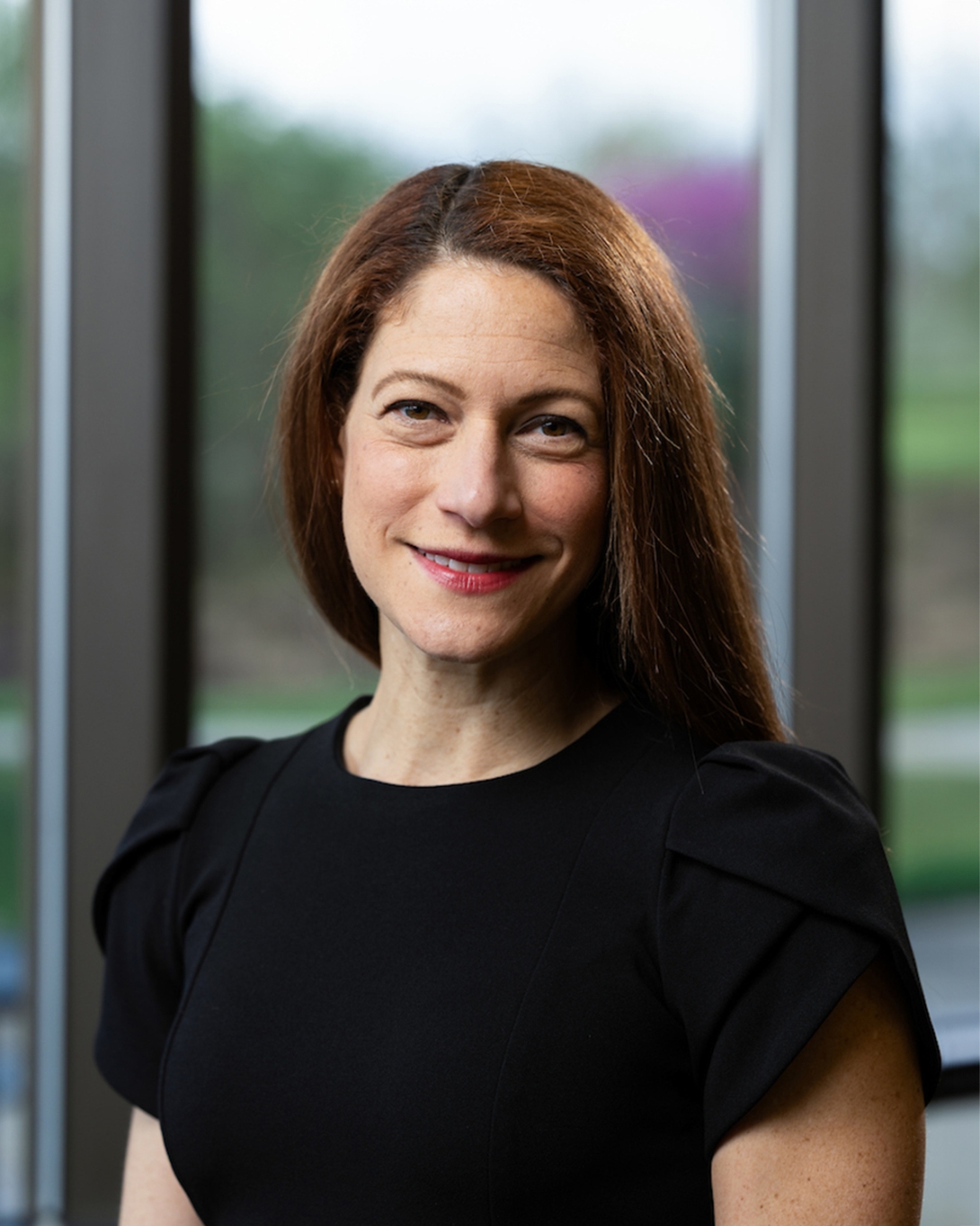
Rebecca Sripada, PhD
Medical School
Team Members

Heather, MS
Ms. Heather has been a Senior Program Manager/Qualitative Analyst at the Ann Arbor VA Center for Clinical Management Research (CCMR) and the University of Michigan Department of Psychiatry for over 16 years. She earned her undergraduate degree from the University of Nebraska-Kearney and earned a Master's degree in Rehabilitation Counseling Psychology from the University of Texas Southwestern Medical Center. She has extensive experience in project management of clinical trials and delivery of mental health interventions. Outside of work, she is the mother of 2 teenagers and loves to cook, bake, read, and watch too much Netflix.

Kayla, MS
Kayla has worked in research at the University of Michigan Department of Psychiatry for 5 years and joined Dr. Sripada's team as a study coordinator in 2021. She earned her undergraduate degree and Master's Degree in Psychology from the University of Michigan. Outside of work, she is a fur-baby mom to two Pitbull pups and three guinea pigs, and loves to read, watch Netflix, and visit Northern Michigan in the summer.
Deanne, LMSW
Deanne (Dee) is a research technician in the department of psychiatry. Before this position, Dee has worked in many capacities of the social work field, including utilization management, clinical social work, and patient advocacy. She received her master's degree in social work from Michigan State University. Outside of work, Dee enjoys boating with her family and taking walks with her dog.
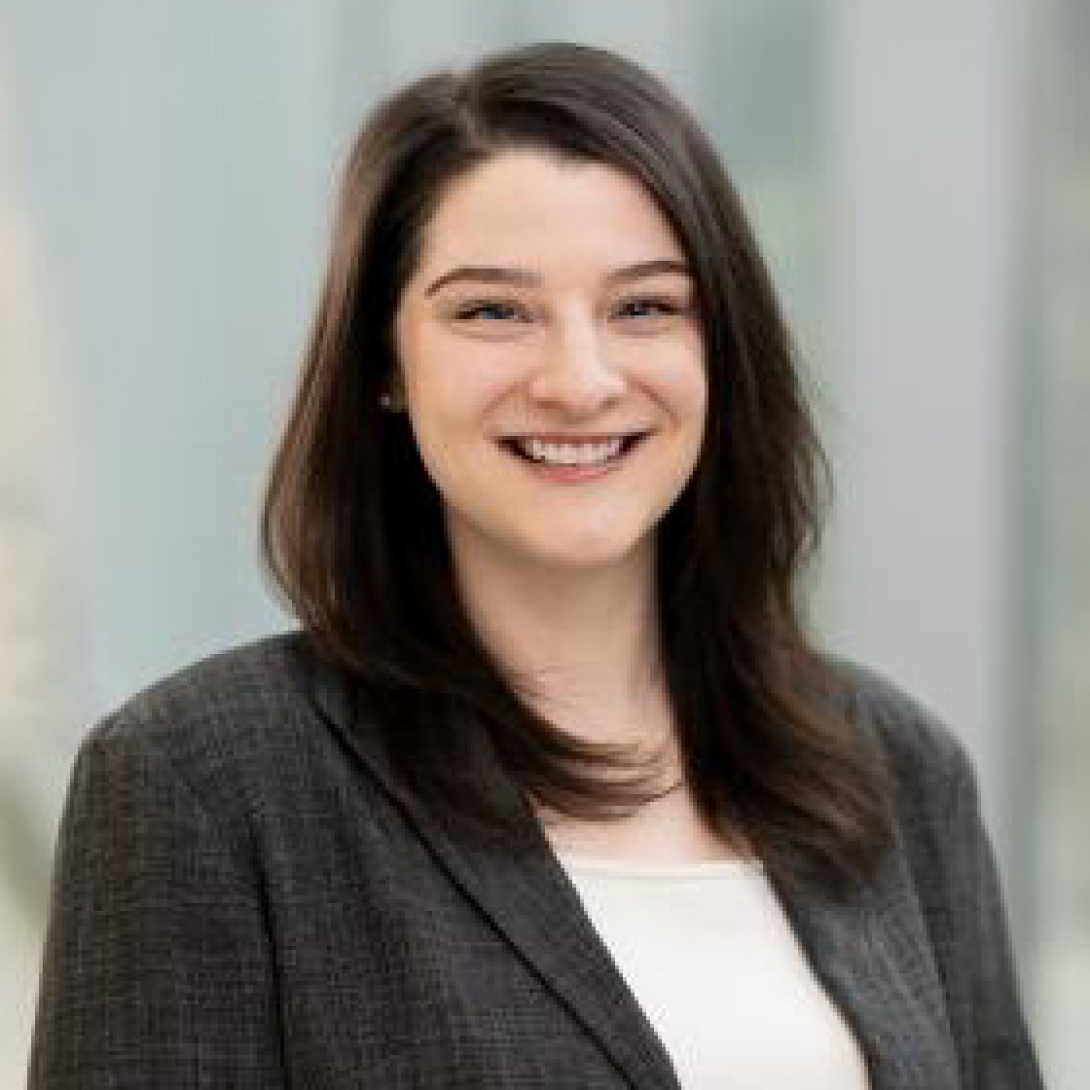
Joanna, LMSW, CAADC
Joanna has been an assessor in Dr. Sripada's lab since May 2023. Before that, she worked in research with the University of Michigan's Michigan Opioid Collaborative as a Behavioral Health Consultant. She has provided case management and clinical treatment services for patients with substance use and mental health disorders since 2016. She earned her BA in Psychology from DePaul University and her Master of Social Work degree from the University of Michigan. Outside of work, Joanna enjoys traveling around the US and abroad whenever possible, as well as cooking, hiking, and being a friend to all animals.
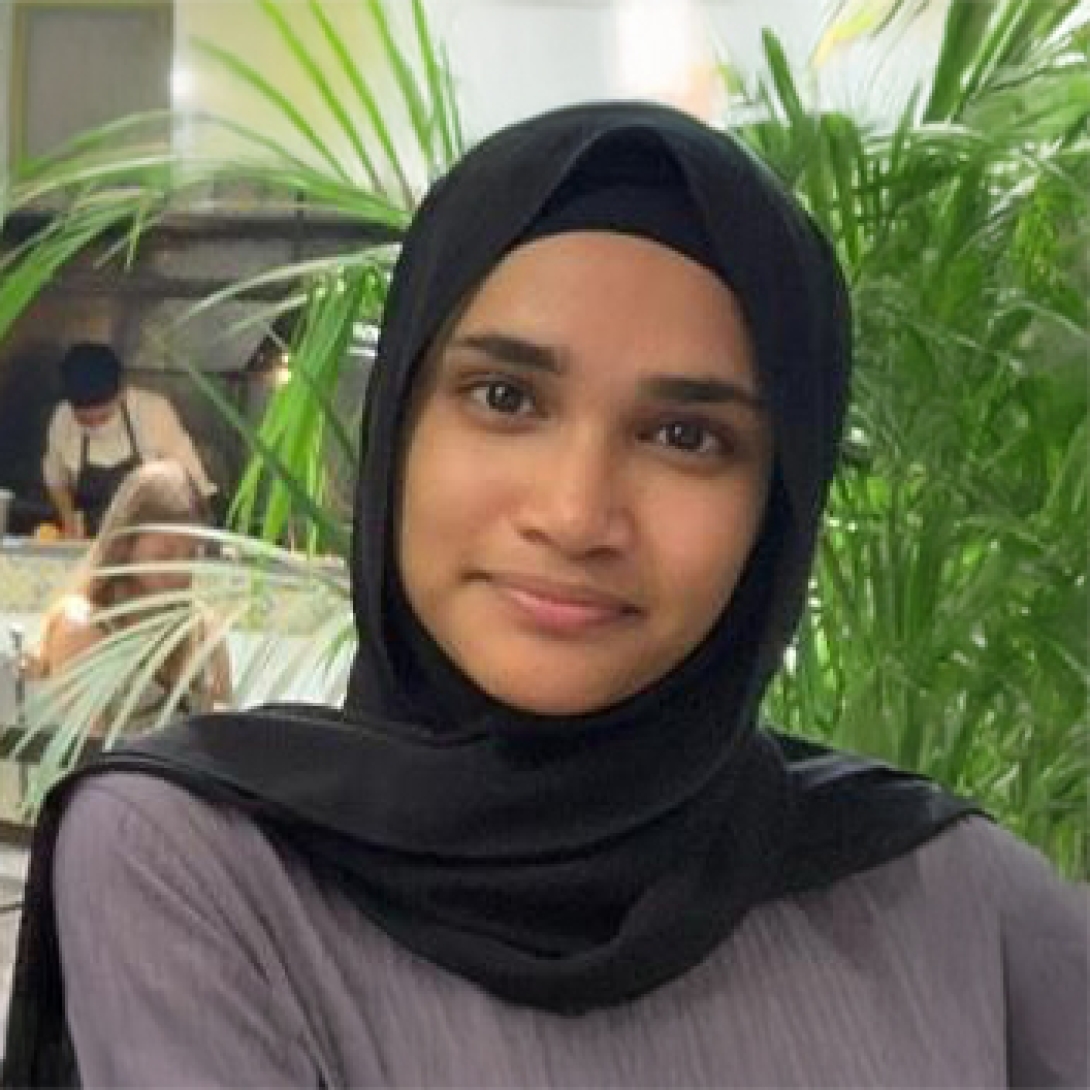
Nusrat, BA
Nusrat is a research technician in the Department of Psychiatry and a recent graduate of the University of Michigan, holding a Bachelor's degree in Psychology. She hopes to become a clinical psychologist focusing on mental and behavioral disorders, such as PTSD. Outside of work, she enjoys playing with her cat and reading in her downtime.
FREQUENTLY ASKED QUESTIONS
You will have about 3 months from the date of enrollment to complete your therapy sessions.
Please contact your clinic if you are unable to attend a scheduled therapy session.
Please contact us if you are unable to attend a scheduled interview.
Therapy sessions will continue for 1-3 months, depending on how much your PTSD symptoms improve in the first month. Participation in the study ends at 9 months, after you complete your 9-month follow-up interview and survey.
Your insurance will be billed for treatment/therapy sessions. Your insurance company may require you to pay a co-payment.
You will receive $20 - $60 for each survey and interview you complete, for a total of up to $235. You will not be compensated for attending therapy sessions.
Participation is always voluntary. You may withdraw from the study at any time. If you decide to discontinue study participate, please give us a call and let us know.
Yes, you can still complete our study interviews and surveys, even if you did not complete all therapy sessions. It is important for us to get feedback from individuals who did and did not complete treatment.
You will receive separate gift cards for each study activity (e.g. survey or interview). We will submit the gift card request as soon as you complete the study activity. Depending on whether you have chosen electronic or physical gift cards, it may take 1-2 weeks to receive the gift card.
