
More articles about: Sepsis

Health Lab
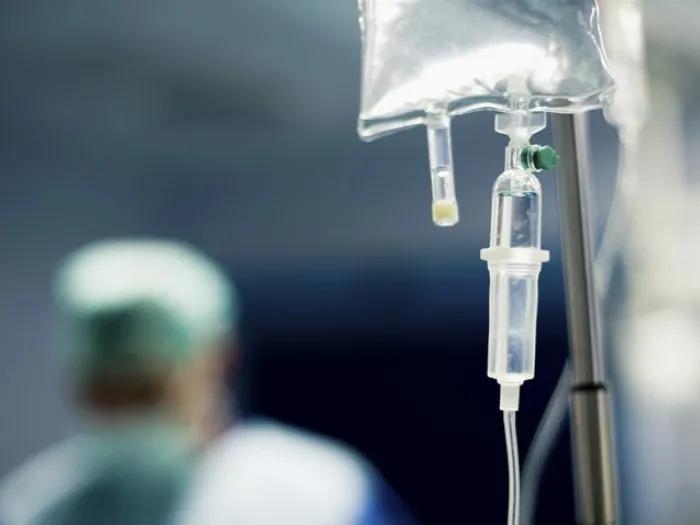
NASCAR star’s death shows how sepsis can kill anyone if not caught
Kyle Busch's death from sepsis offers a chance to raise awareness of the importance of recognizing symptoms, and of timely care.
Health Lab
Surviving sepsis: New guidelines harness life saving evidence for treating adults
An updated clinical guideline for treating sepsis in adults emphasizes pre-hospital care and judicious use of antibiotics and antifungals

Health Lab
Former nurse develops UTI that rapidly progresses to septic shock
Karen Hollingsworth’s training as a nurse helped her identify the symptoms of a urinary tract infection and when it rapidly developed into septic shock.

Health Lab
New warnings about superbugs
The Centers for Disease Control and Prevention and the World Health Organization recently issued new, dire warnings about the spread of so-called superbugs, infectious bacteria for which there are no effective antibiotics.

Department News
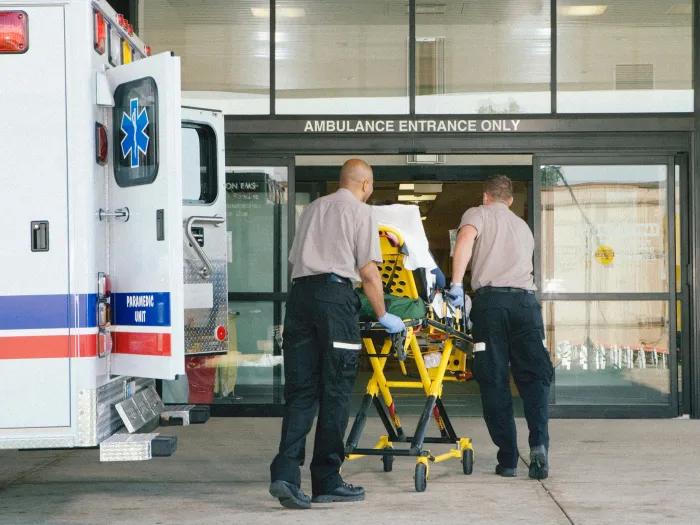
Spotting sepsis fast: How Michigan Medicine’s ED is saving lives
In 2022, the Emergency Department launched its sepsis team, which partners with sepsis teams across the hospital to strengthen recognition and care. Nowhere have improvements been greater than in the Adult Emergency Department.
Innovations such as nurse-initiated sepsis screening, electronic medical record alerts, and “sepsis huddles” have improved communications and bundle compliance for patients with severe sepsis and septic shock.
Since 2020, these efforts have reduced mortality by 6.5% — an estimated 393 lives saved.
Health Lab
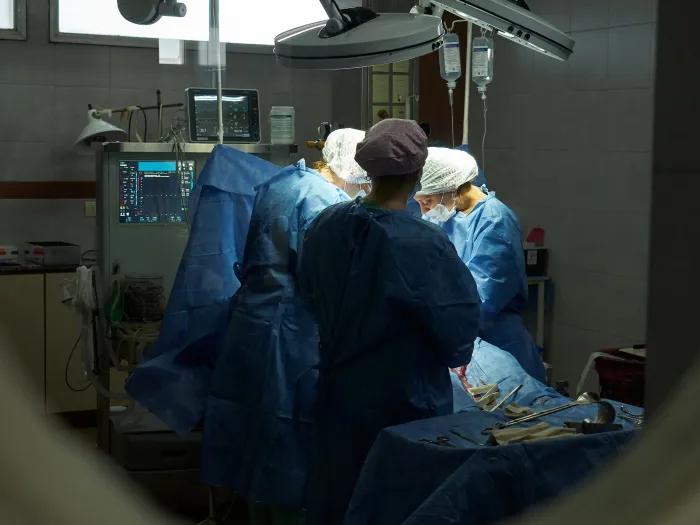
Sepsis can kill even previously healthy people if recognized too late, finds study
A University of Michigan led study finds that patients hospitalized with sepsis who were previously healthy ultimately died because of late intervention.
Health Lab
1 in 5 older adults get infections after heart surgery, and women have a 60% higher risk
According to findings by Michigan Medicine, one in five older patients gets an infection up to six months following heart surgery — with women much more likely to develop one.

Research News
Metabolic clues could lead to potential treatment in complex critical illnesses
Weil Institute investigators examine how metabolism affects blood biomarkers in sepsis and ARDS.

Health Lab
Using data to drive sepsis care
Michigan Medicine expert, Hallie Prescott, M.D., discusses successful statewide efforts to improve sepsis treatment–and setting the bar for change at the national level

Philanthropy News
Teen's near fatal illness inspires story, advances research at Michigan Medicine
Alice Tapper, daughter of CNN anchor Jake Tapper, has released a children’s book, “Use Your Voice”, with proceeds benefiting Michigan Medicine.

Health Lab
10-year-old “Swiftie” makes progress after septic shock
Taylor Swift fan recovers from flesh eating bacteria with help from her care team and Swift's music
Health Lab
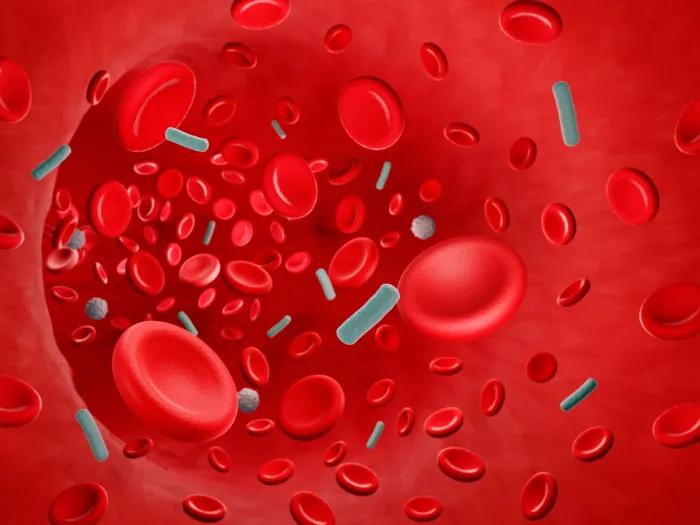
New device can treat injury from sepsis
The FDA approved the use of a therapeutic device invented and developed at the University of Michigan for use in children with acute kidney injury and sepsis or a septic condition requiring continuous kidney replacement therapy.

Health Lab
How do we reduce sepsis nationwide?
Hallie Prescott of the Michigan Medicine Division of Pulmonary & Critical Care Medicine is providing guidance at the state and national level to reduce the burden of sepsis in hospitalized patients.

Health Lab
Epic sepsis model’s ability to predict depends on hospital factors
Epic sepsis model’s ability to predict depends on certain hospital factors
