Shane Quinonez, MD

Manage Your Profile
About
I am a Clinical Associate Professor of Pediatrics at the University of Michigan with a clinical and academic focus on pediatric genetics and metabolic disorders, particularly the diagnosis and management of inborn errors of metabolism and conditions identified through newborn screening (NBS). My clinical work centers on complex diagnostic evaluation, longitudinal management, and the integration of innovative care delivery models—including telemedicine and systems-based approaches—to improve access and outcomes.
I serve as Director of Global REACH, where I lead institutional efforts to develop sustainable, partner-driven global health collaborations. My work emphasizes building capacity in medical genetics and newborn screening in low- and middle-income countries, with a particular focus on Nepal. There, I am engaged in developing scalable NBS strategies, strengthening diagnostic infrastructure, and fostering interdisciplinary collaborations aligned with national health priorities.
In parallel, my work increasingly focuses on the development and implementation of AI-enabled tools to support genetic diagnosis, clinical decision-making, and medical education—particularly in settings with limited access to specialized expertise. This includes the design of scalable platforms for variant interpretation, clinical guidance, and workforce training.
Across these efforts, my goal is to advance equitable access to genetic services globally by integrating clinical care, technology, and collaborative capacity-building to improve outcomes for children with genetic conditions.
Center Memberships
-
Center MemberCenter for Global Health Equity
-
Center MemberGlobal REACH
Research Overview
My research spans clinical genetics and global health, with a focus on the introduction and evaluation of genetic services in low- and middle-income countries. Key areas of interest include expanding newborn screening programs in regions like Nepal and understanding the implementation of medical genetics services in resource-constrained settings. I am actively involved in projects leveraging mobile health applications and machine learning to diagnose and manage genetic disorders. My recent work includes developing tools to assess NBS readiness and collaborating with international teams to implement sustainable genetic services. Additionally, I contribute to research on innovative treatment modalities for lysosomal storage disorders and metabolic diseases detected through NBS, aiming to optimize therapeutic outcomes. By integrating global health research with local clinical applications, my goal is to foster cross-border knowledge exchange and promote scalable healthcare models.
Recent Publications
-
Quinonez MD SC. 2026 Nov 5;PresentationThere Is No Mold
-
Quinonez MD SC, Waljee AK. 2026 Oct 28;PresentationGlobal REACH Introduction
-
Quinonez MD SC. 2026 Oct 13;PresentationExtending Genetic Services Internationally (facilitated discussion sessions)
-
Quinonez MD SC. 2026 Oct 1;PresentationIntroduction to the University of Michigan Medical School
-
Quinonez MD SC. 2026 Sep 30;PresentationIntroduction to the University of Michigan Medical School
-
Quinonez MD SC. 2026 Sep 29;PresentationStrategies and Priorities for UMMS Global REACH
-
Malhotra V, Lieberman AP, Prensner JR, Quinonez SC, Muraszko K, Marupudi NI, Upadhyaya SA. Pediatric Blood and Cancer, 2026 May 1; 73 (5): e70215 - e70215.Journal ArticleFGFR1:TACC1-Fused Pilocytic Astrocytoma in a Child With Muenke Syndrome: A Case Report
DOI:10.1002/1545-5017.70215 -
Mirza K, Baba OZ, Wahidi M, Balis U, Schroeder LF, Waljee AK, Quinonez SC, Zaatari G, Mahdy M, Garcia P, Sakr W, Eichbaum Q, Oladipo O, Raghavendran K, Kenu E, Petroze R, Effendi J, Amukele T, Adjei EK, Kolars JC, Ali-Fehmi R. Considerations in Medicine, 2026 May; 4 (1): e000021 - e000021.Journal ArticleScaling global pathology education: insights from the Global Pathology and Laboratory Medicine Consortium (GPALMC) summit at University of Michigan
DOI:10.1136/conmed-2025-000021
Featured News & Stories
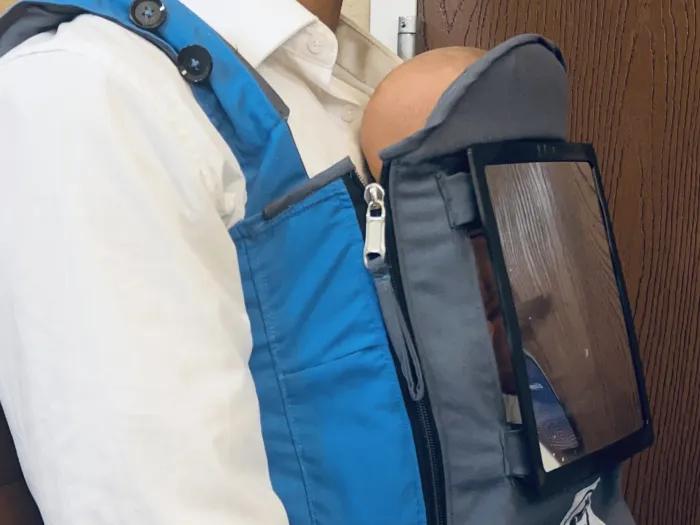
Medical student’s invention aims to help infants with jaundice

Reaching across the globe
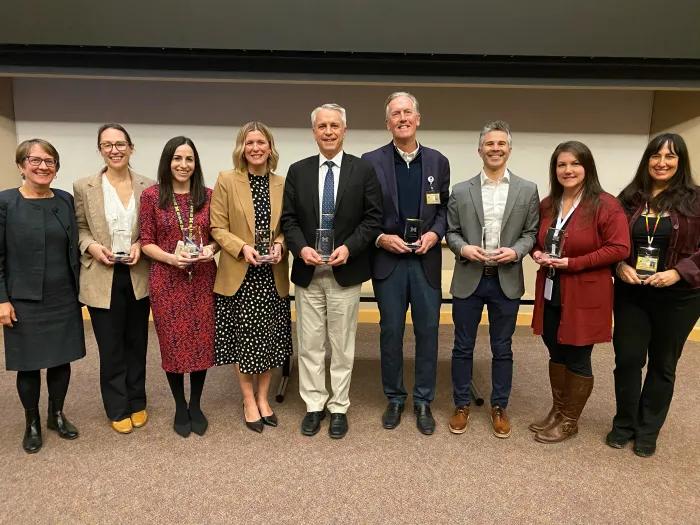
2025 Department of Pediatric Chair's Awards Program
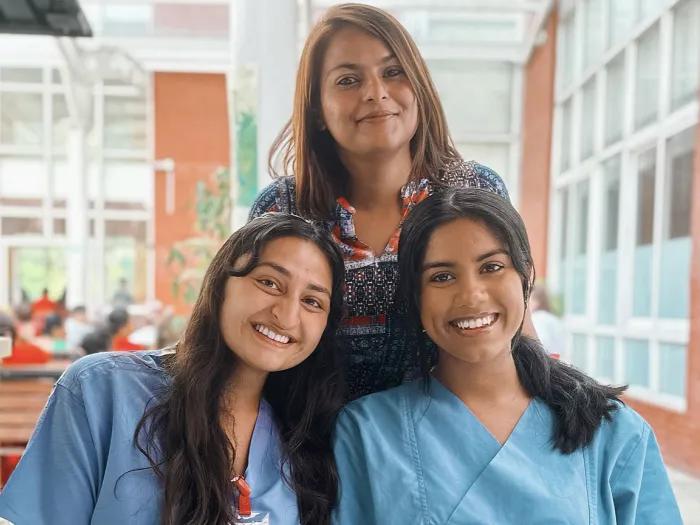
Small Wins, Big Heart: Reflections on Global Health in Nepal