
Yuqing E Chen
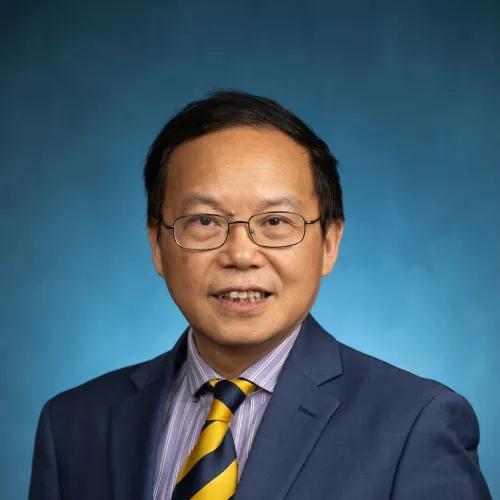
Professor
Email:
[email protected]
Available to mentor
Yuqing E Chen
Professor
Manage Your Profile
About
Dr. Chen is an expert in diabetes and cardiovascular disease. He cloned Exendin 4 (BYETTA), facilitating GLP1 drug development. He discovered the mechanisms of nitro-fatty acids, novel anti-inflammatory signaling molecules, currently in phase 2 clinical trials. Recently he embarked in successful integration of human genetic discoveries with translational research.
Center Memberships
-
Center MemberWeil Institute for Critical Care Research
-
Center MemberMM-PKUHSC Joint Institute
-
Center MemberSamuel and Jean Frankel Cardiovascular Center
-
Center MemberCaswell Diabetes Institute
-
Center MemberBiosciences Initiative
Recent Publications
-
Xu R, Wang Z, Mu W, Zhong J, Chen E, Chang L. JVS Vascular Science, 2026 Jan 24; 100373Journal ArticleAbstract We0052: BMAL1 Deficiency in Perivascular Adipose Tissue Exacerbates Atherosclerosis
DOI:10.1016/j.jvssci.2025.100373 -
Chen YE, Weng J. iNew Medicine, 2025 Nov 5; 1 (1):Journal ArticleIntroducing iNew Medicine: Advancing the New Frontiers of Healthcare Innovation
DOI:10.1002/inm3.1 -
Xu R, Wang Z, Mu W, Zhong J, Chen E, Chang L. Arteriosclerosis Thrombosis and Vascular Biology, 2025 Jun 22; 45 (Suppl_1): awe0052 - awe0052.Journal ArticleAbstract We0052: BMAL1 Deficiency in Perivascular Adipose Tissue Exacerbates Atherosclerosis
DOI:10.1161/atv.45.suppl_1.we0052 -
Wang Z, Mu W, Zhong J, Xu R, Liu Y, Zhao G, Guo Y, Zhang J, Surakka I, Chen YE, Chang L. Journal of Clinical Investigation, 2025 Feb 3; 135 (3):Journal ArticleVascular smooth muscle cell PRDM16 regulates circadian variation in blood pressure
DOI:10.1172/JCI183409 PMID: 39625782 -
Jin T, Chen YE. Cardiovascular Drugs and Therapy, 2025 Feb 1; 39 (1): 9 - 12.Journal ArticleInternational Accolades for GLP-1 Research: Recognizing Pioneers in Diabetes and Obesity Treatment Across Five Prestigious Awards
DOI:10.1007/s10557-024-07630-9 PMID: 39470894 -
Sun Y, Zhang Y, Zhang J, Chen YE, Jin JP, Zhang K, Mou H, Liang X, Xu J. Cell and Bioscience, 2024 Dec 1; 14 (1):Journal ArticleXBP1-mediated transcriptional regulation of SLC5A1 in human epithelial cells in disease conditions
DOI:10.1186/s13578-024-01203-x -
Sun Y, Martinez-Ramos C, Chen E, Osawa Y, Zhang H. Biomedicines, 2024 Aug 1; 12 (8):Journal ArticleA General Method to Screen Nanobodies for Cytochrome P450 Enzymes from a Yeast Surface Display Library
DOI:10.3390/biomedicines12081863 -
Yang Y, Feng H, Tang Y, Wang Z, Qiu P, Huang X, Chang L, Zhang J, Chen YE, Mizrak D, Yang B. Science Translational Medicine, 2024 May 8; 16 (746):Journal ArticleBioengineered vascular grafts with a pathogenic TGFBR1 variant model aneurysm formation in vivo and reveal underlying collagen defects
DOI:10.1126/scitranslmed.adg6298 PMID: 38718134
Featured News & Stories

Health Lab
Drug candidate treats severe fatty liver disease by protecting the gut in animal models
Researchers discovered that a potential drug developed at Michigan Medicine, DT-109, treats severe fatty liver disease by improving gut health.
News Release
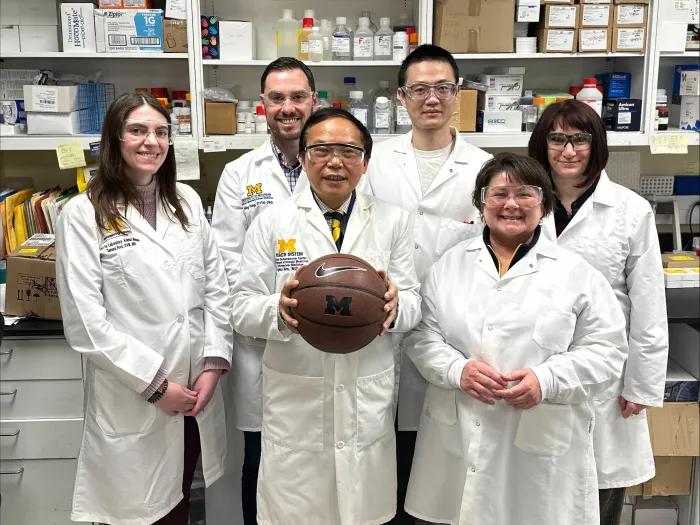
A night of two national titles for U-M, as scientists and basketball players both triumph
On the same night that the U-M men's basketball team triumphed in the NCAA tournament, U-M cardiovascular researchers won a national tournament of science
Health Lab
High triglycerides drive life threatening aortic aneurysms, study in mice finds
High levels of triglycerides, the most common type of fat in the body and the foods you eat, directly cause abdominal aortic aneurysms, according to a study in mice. A drug candidate lowered triglyceride levels by up to 50% and prevented aneurysm formation, showing promise as a treatment avenue.

Health Lab
Why donor hearts fail in cold storage — and how to prevent it
Researchers have discovered a new molecular process that occurs when donor hearts are preserved in cold storage which contributes to failure after transplant, a study in both humans and animals shows. Fortunately, therapy that is typically prescribed for high blood pressure can target this process to reduce cold preservation associated with cardiac injury. This discovery has potential to improve the consistent function of donor hearts and extend the distance they can be safely transported in cold storage.
Health Lab
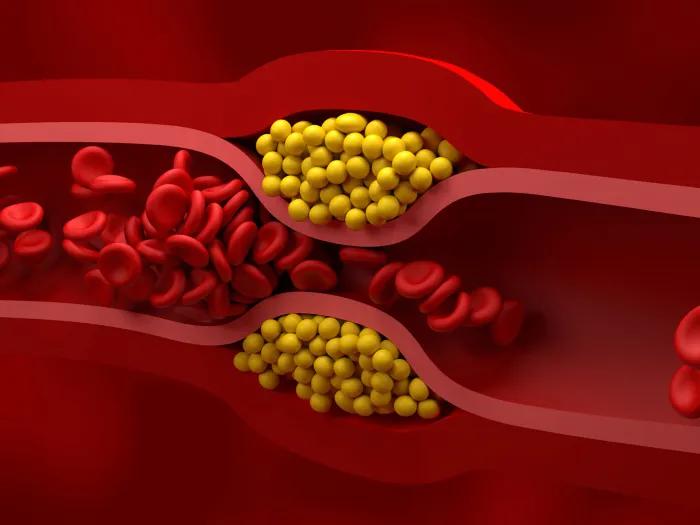
Drug candidate successfully treats atherosclerosis, fatty liver disease in large mammals
A compound that was previously found to treat severe fatty liver disease also reduces atherosclerosis, a primary driver of cardiovascular death, in non-human primates. The drug candidate was developed at the University of Michigan.
