With $5M Grant, Rogel Team Will Conduct Preclinical Work to Develop Drugs Targeting Cancer Master Regulator
The team will investigate 3 drug candidates that degrade SWI/SNF enhancer complex, with potential to treat multiple types of advanced cancer
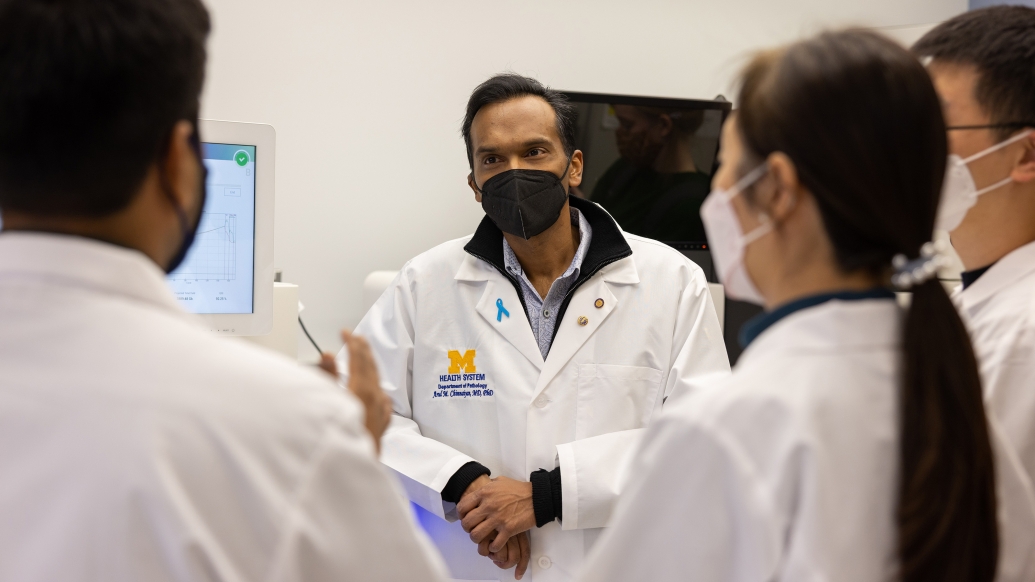
University of Michigan Rogel Cancer Centerresearcher Arul Chinnaiyan, MD, PhD, has received a $5 million grant from the J.C. Kennedy Foundation to conduct laboratory tests of a potential drug candidate targeting a master regulator that controls the majority of genes involved in the most challenging type of prostate cancer.
The SWI/SNF chromatin remodeling complex was previously found to facilitate access to enhancers that oncogenes can bind to, driving downstream gene expression in cancer. Degrading a subunit of this complex blocks the oncogenes.
With the new grant, Chinnaiyan and colleagues, working with Aurigene Oncology, will conduct extensive preclinical testing on three potential SWI/SNF degraders. After identifying the lead candidate, they will then proceed with the work needed to move that candidate into clinical trials.
The role of SWI/SNF was initially identified in metastatic castration-resistant prostate cancer, an advanced form of the disease that’s no longer responsive to hormonal-based treatments.
“Targeting the SWI/SNF protein complex gives us a workaround for direct targeting of transcription factors such as androgen receptor, FOXA1, ERG or MYC, which have been notoriously difficult to target,” said Chinnaiyan, director of the Michigan Center for Translational Pathology.
Since the initial SWI/SNF discovery in prostate cancer, which was published in Nature in 2022, Chinnaiyan’s lab has also found it to play a role in small-cell lung cancers and multiple myeloma, suggesting a potentially larger benefit to this approach.
“With this grant, we hope to identify a clinical SWI/SNF degrader that can be moved to early phase clinical trials and potentially provide an effective new treatment strategy for prostate cancer and other cancers,” Chinnaiyan said.
—
Featured News & Stories
New algorithmic tool enables to scientists to see cells “talk” to one another
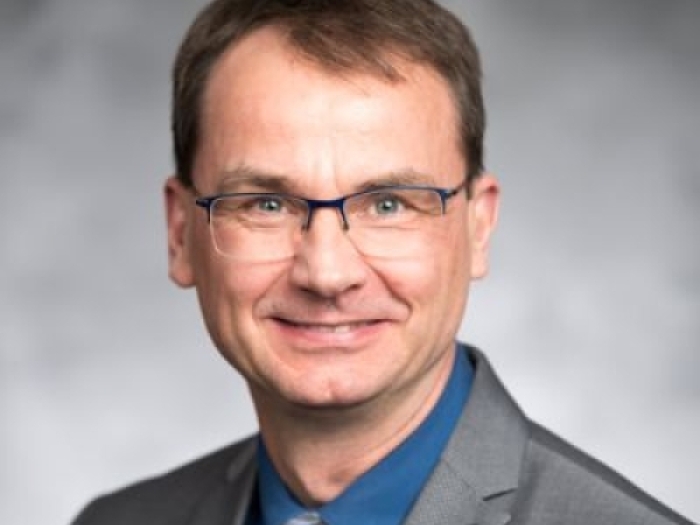
Dr. Matthias Kretzler Receives ASN's Prestigious 2026 Homer W. Smith Award
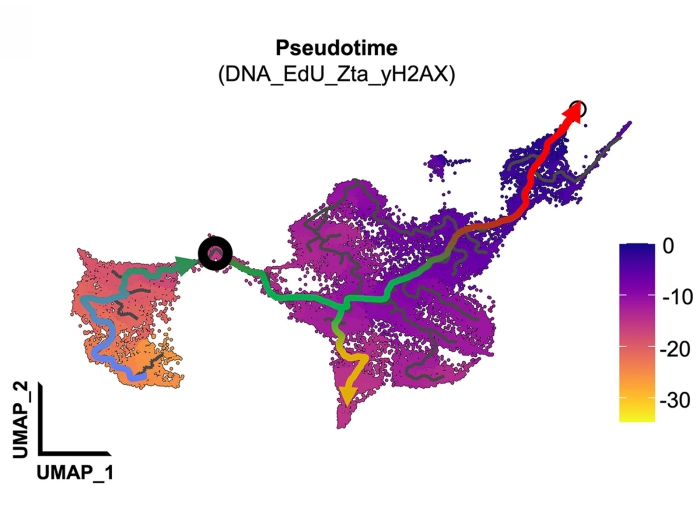
PhD student Dina Tekle publishes a research article in PNAS
Jackson Rapala receives fellowship for research on fungal pathogen

Apply Today! Caswell Diabetes Institute Fernandez Buddin Type 1 Diabetes Fellowship Grant Program