Announcing the Scott Pranger ALS Center
Scott Pranger’s generosity brings new hope in the fight against ALS.
Author |
An ALS diagnosis changes everything — for patients, their families, and those who care for them. For Scott L. Pranger, experiencing that reality led him to a decision to bring new hope to those suffering from ALS by endowing the Scott Pranger ALS Center—the home of ALS research, clinical care, and education at Michigan Medicine.
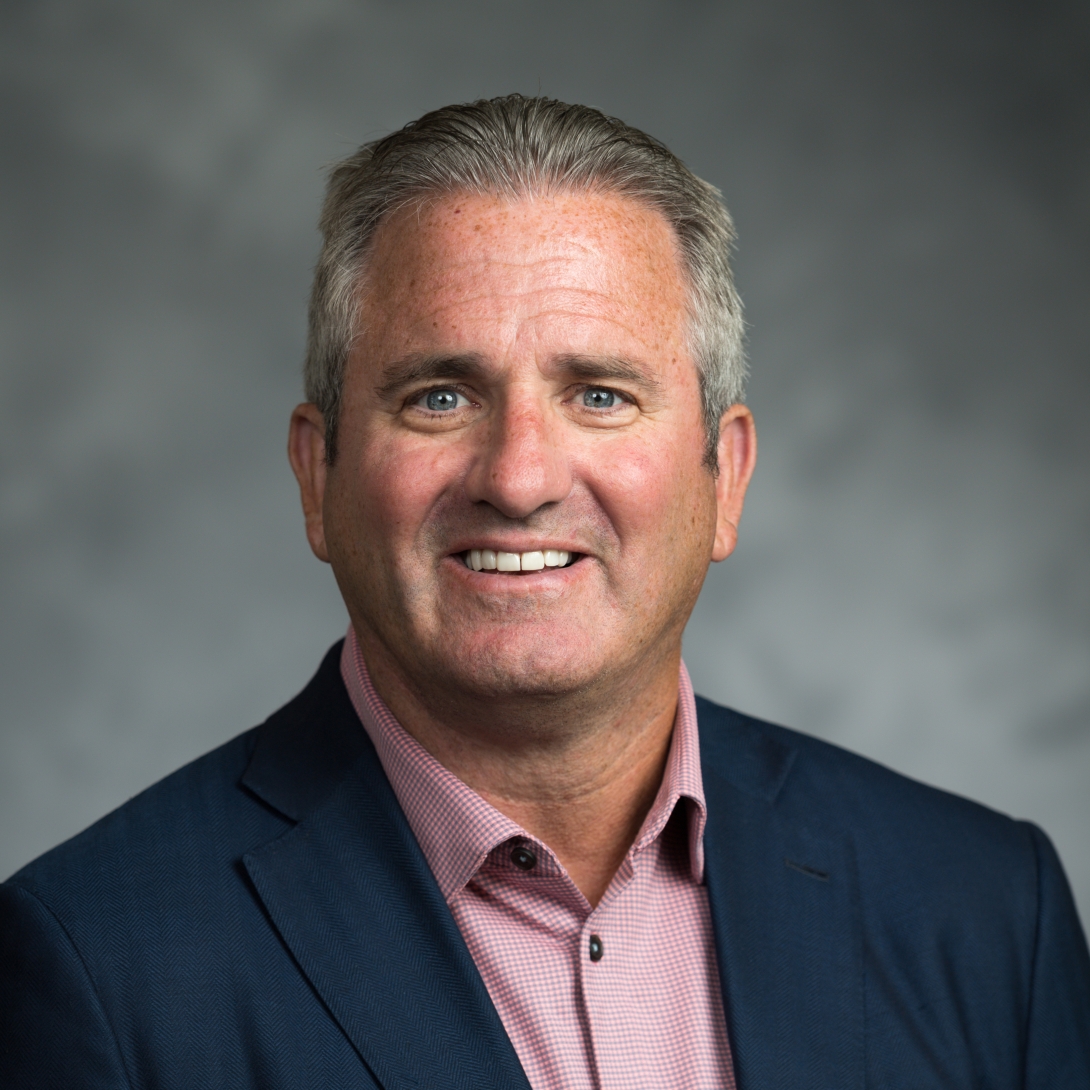
“From my own personal experience, I know what people whose lives have been changed by ALS are going through. The incredible team at the ALS Center at Michigan Medicine, led by Drs. Eva Feldman and Stephen Goutman, labors day and night to bring comfort and hope to patients and their families. It has been an honor for me to work alongside them.
“And it has made me want to do even more to help, and that is why I am increasing my support not only for the care being offered in their clinic but also for the crucial research being done in their laboratory. We must find an answer – effective treatments and eventually a cure – for ALS.”
Experiencing ALS firsthand
It began in Cathleen Pranger’s index finger in 2002, but she and her family didn’t know it was ALS at the time. They spent about a year seeing numerous neurologists in West Michigan to figure out what was causing curvature and weakness in her finger. After receiving no definitive diagnosis from their current physicians, it was suggested that they come to the University of Michigan.
Pranger had been to his wife’s other doctor’s appointments, but it was decided that she would see Dr. Eva Feldman alone, since the other visits had been inconclusive and he was needed on a short business trip.
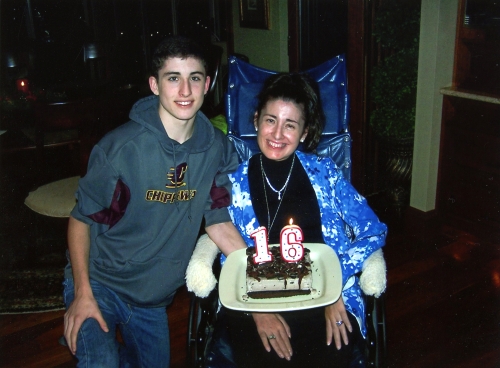
“I remember I was waiting for a flight from Chicago to Pennsylvania in 2003 when she gave me a call. As soon as she said the words A-L-S, I turned around and went back home as quickly as I could. It must have been such a difficult three-hour drive for her to make alone.”
At her next appointment a few months later, Scott Pranger met Dr. Feldman for the first time and learned what the family was facing — an awful, fatal neurodegenerative disease that progressively destroys nerve function until it becomes impossible to move, speak, or breathe. Dr. Feldman explained what lay ahead for the family.
“I discussed with them that this was a slowly progressive form of the disease and that financial resources would be needed. I recommended that Scott continue to actively engage in his business career,” said Dr. Feldman.
At the time of Cathleen’s diagnosis, Scott was vice president of sales at Kurdziel Industries in Norton Shores, Michigan. At one point, he considered putting his career on hold to care for his family. Instead, he took Dr. Feldman’s advice and in 2004 founded his own company, EQI Ltd., a global manufacturing and logistics corporation. He grew the company into a global powerhouse and sold it in 2012.
“Within a year or two of Cathleen’s diagnosis, I could see the disease start to transform her,” explained Pranger. “She had always been very active, and she wanted to raise and play with our son Sam. Soon, she needed at-home caregivers during the day and later around the clock. Dr. Feldman was right that providing excellent care for Cathleen would require a small fortune. Thankfully, my businesses were successful, but I often wondered how other families handled ALS.”
In addition to living through Cathleen’s 15-year battle with ALS, Scott watched a high school friend die from the disease in less than a year.
Continuing to support the ALS community and beyond
Even after Cathleen passed away, Scott remained engaged with the ALS community by speaking privately to families who wanted to understand what to do and what to expect when faced with the disease. In 2018, he accepted an invitation from Dr. Feldman to join the inaugural National Advisory Board for the then-named ALS Center of Excellence at Michigan Medicine. A position he passed on to his son, Sam, last year.
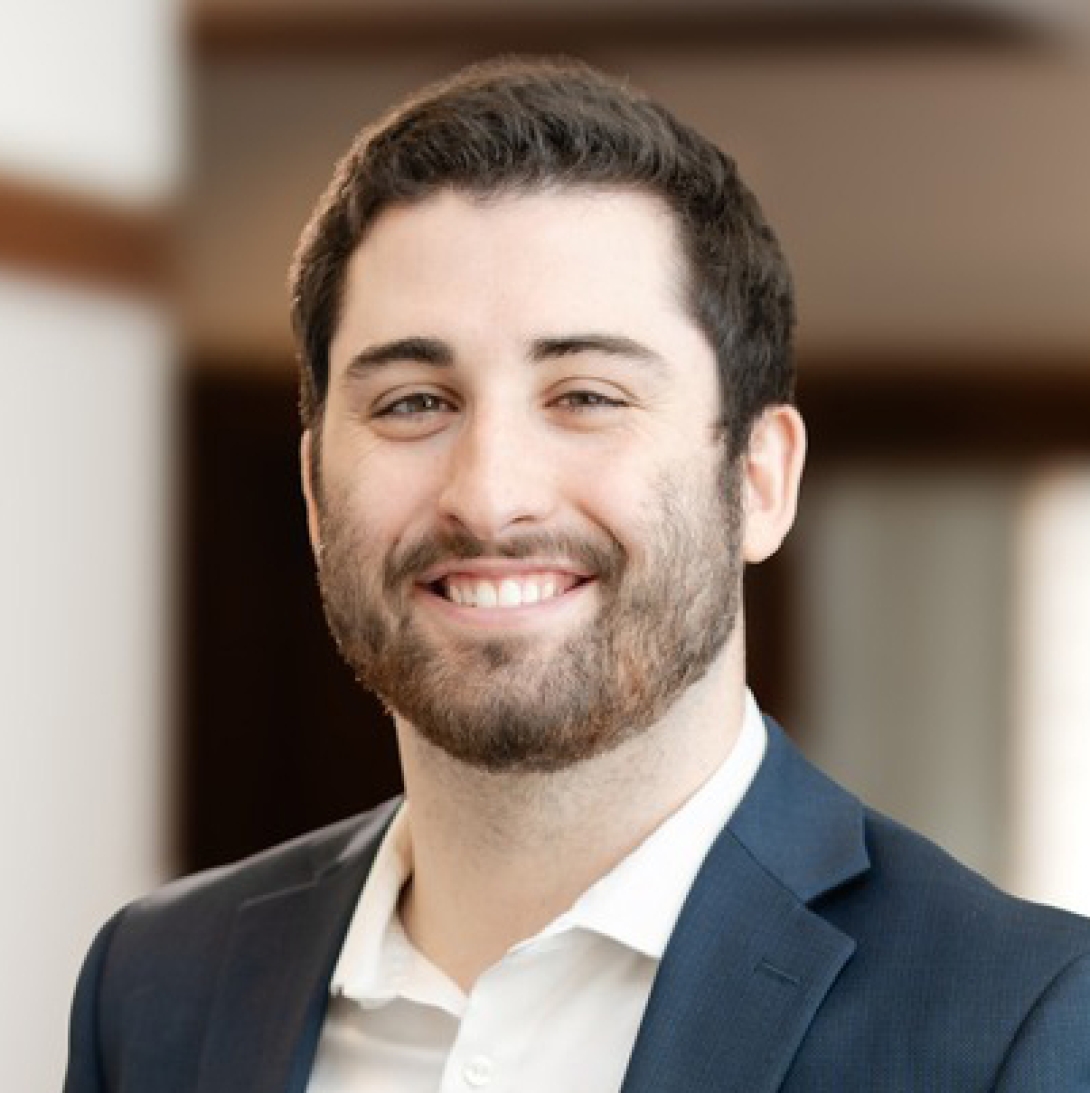
“I am incredibly proud of my dad's dedication to advancing ALS research in memory of my mom,” said Sam Pranger. “I hope that through the Scott Pranger ALS Center, we can spread awareness, help those currently battling ALS, and find a cure for this disease.”
“Every time I hear someone’s ALS experience, it tugs at my heart,” said Scott Pranger. “When I reconnected with Dr. Feldman, we talked about the ways to have the greatest impact on those affected by ALS — to help families provide the best care possible and, at the same time, continue researching ways to slow, prevent, or cure the disease. I saw a way that I could make a major difference in the ALS community.”
It’s no surprise that Scott wanted to help the ALS community. He has been a thoughtful philanthropist for many years. He endowed scholarships at his alma mater, Central Michigan University, for students from West Michigan. Through his church, he began taking mission trips and eventually founded an orphanage and school in India. He’s also been deeply involved with Junior Achievement in Grand Rapids for 20 years.
New hope for ALS patients
No one knows the trauma and challenges of dealing with ALS better than Scott Pranger. But his close relationship with the Michigan Medicine ALS clinical and research teams has let him appreciate the opportunity they provide patients and their families. What’s more, he sees the advances being made in understanding the disease and the very real possibilities for finding effective treatments where none currently exist.
The Scott Pranger ALS Center’s world-renowned research has identified new ALS therapies and genetic biomarkers, and is a leader in understanding how environmental pollution promotes ALS risk. A critical turning point for its work came this past May, when ALS became a reportable disease in Michigan, allowing for new ALS prevention programs. The Center is also home to a multidisciplinary ALS clinic that provides state-of-the-art care for over 300 patients at any given time, while also conducting national clinical trials.
“I have been so impressed with the strides they are making in grappling with the key questions. What causes ALS? What is the role of the environment? Is the immune system involved? Can we find a better blood biomarker? Do you inherit a susceptibility to ALS? What can be done to slow its progression? What can be done to prevent it? We are getting closer to answers, thanks to the dedication of everyone at the ALS Center,” said Pranger. “Understanding all this can open the door for new approaches to treating the disease.”
And Drs. Feldman and Goutman cannot be more grateful.
“I hope Scott realizes how much his support means to the people who serve in our clinic and laboratory,” said Dr. Feldman. “Of course, financial support is crucial. But encouragement, the knowledge that someone believes in us and our mission, is just as important to us. That Scott has been willing to lend his name to all aspects of our care and research strengthens our resolve to fight and defeat ALS.”
Dr. Goutman couldn’t agree more. “Having a partner like Scott Pranger is invaluable,” he said. “Every day, with this support, we are making advances against this awful disease. We have a lot more to learn. But we can envision the day when we know enough about the risk factors and the treatment of ALS to make it a treatable, even a preventable, disease. We truly believe that.
“We all recognize that we can’t get there without the support and the commitment of a champion like Scott Pranger.”
To celebrate the naming of the Center and to promote provider and patient education, a Pranger Grand Rounds will be established, featuring talks from leaders across the country, an annual symposium, and continued community outreach.
Through this transformative endowment, the Scott Pranger ALS Center has ensured that Michigan Medicine can provide comprehensive, multidisciplinary care while advancing state of the art research that seeks to understand the causes of ALS, identify better treatments for the devastating disease, and find new avenues to make ALS preventable. The gift secures the center’s mission for generations to come.
In This Story
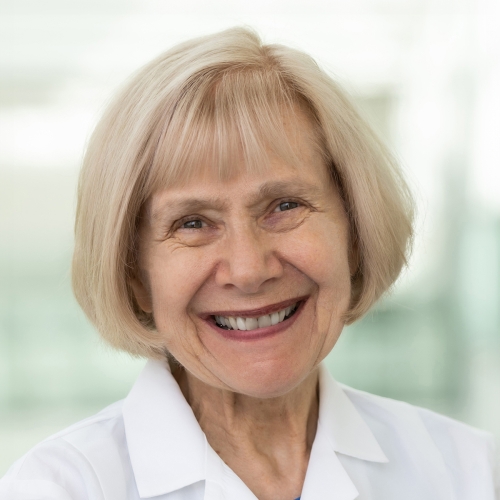
Eva L Feldman, MD, PhD
Professor

Stephen A Goutman, MD, MS, FAAN
Associate Professor
Featured News & Stories
Faculty Spotlight: Dr. Cornelius James - Preparing Healthcare for the AI Era
New project aims to predict depressive symptoms after surgery
2026 Moses Gunn Research Conference Highlights
Receiving personalized treatment for a rare neuroendocrine tumor
Helping an employee-turned-patient overcome a brain tumor