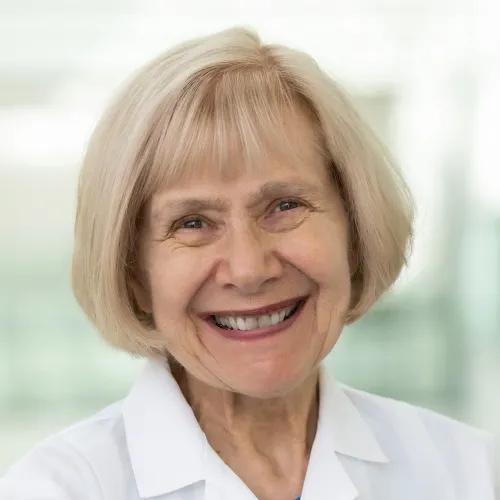
Brain Ponderings podcast features Dr. Feldman

Eva Feldman, M.D., Ph.D., sat down with Mark Mattson, Ph.D., Adjunct Professor of Neurology at Johns Hopkins, for his podcase Brain Ponderings to discuss the importance of research on the exposome in neurologic disease.

Author | Shoshanna Fischhoff

From Brain Ponderings:

The ‘exposome’ is a term used to describe all of the environmental exposures encountered by an individual throughout their life and how these exposures affect their health and contribute to (or protect against) aging and disease. The exposures may be physical (e.g., temperature), chemical (e.g., toxic chemicals), biological (e.g., viruses), or social (psychological trauma). In this episode, I talk with University of Michigan professor of neurology Eva Feldman about research aimed at identifying environmental factors that promote, cause, or protect against neurological disorders. Exposome research is of vital practical importance because environmental factors and aging are responsible for the most common neurological disorders.

Eva Feldman: The Exposome, Brain Health, and Neurological Disorders

Click here to listen on Spotify

In This Story

Eva L. Feldman

Eva L Feldman, MD, PhD

Professor

Featured News & Stories

A family discussing end of life wishes during Thanksgiving
Health Lab

How to discuss health care and end-of-life wishes during the holidays

The holidays are a great time to discuss end-of-life decisions. Learn the importance of having a health care power of attorney & discussing it with your family.
A physician’s hands on a laptop with icons representing legal forms and justice symbols (scales and gavel) in the air
Health Lab

Court appointed medical guardian study reveals role in care of highly vulnerable older adults

Court can appoint medical guardians for patients who didn’t designate someone to make decisions for them, when they can no longer make their own decisions. A study shows high levels of vulnerability in this population, but especially those appointed professional guardians.
Department News

Wife of man diagnosed with 2 types of dementia recalls first symptoms: 'It wasn't obvious'
New research suggests that mixed dementia is much more common than previously recognized, per the Alzheimer’s Association.
Medicaid magnifying glass
Health Lab

What’s changing in Medicaid and what can you do?
With eligibility rules for people with lower incomes changing in every state, it’s important to stay up to date, seek trustworthy sources and not fall for misinformation
Minding Memory with a microphone and a shadow of a microphone on a blue background
Minding Memory

What Can a Blood Test Really Tell Us About Alzheimer’s Disease?

In this episode, Lauren & Matt talk to Suzanne Schindler MD, PhD. Dr. Schindler is an associate professor of neurology at Washington University in St. Louis. She's a neurologist and a neuroscientist whose laboratory develops and validates blood and cerebral spinal fluid biomarkers for Alzheimer's disease and related dementia. Dr. Schindler talks about the use of biomarkers in Alzheimer's disease and related dementia. Specifically, Dr. Schindler focuses on the rapidly changing research on blood-based biomarkers, including how they detect proteins associated with dementia, how accurate the tests are and their limitations, and how they may ultimately be used to improve diagnosis and treatment.
Mott Thanksgiving float
News Release

C.S. Mott Children’s Hospital and The Parade Company Unveil New Float Inspired by “Little Victors” to Debut in 100th America’s Thanksgiving Parade® presented by Gardner White

University of Michigan Health C.S. Mott Children’s Hospital and The Parade Company today unveiled a new float inspired by the hospital’s “Little Victors,” which will make its debut along storied Woodward Avenue during the 100th America’s Thanksgiving Parade® presented by Gardner White.