Grant Applications Open for Safety Net Organizations to Improve Disability Health Care Access and Quality
Blue Cross Blue Shield of Michigan and the University of Michigan Center for Disability Health & Wellness partner to improve health care for Michiganians
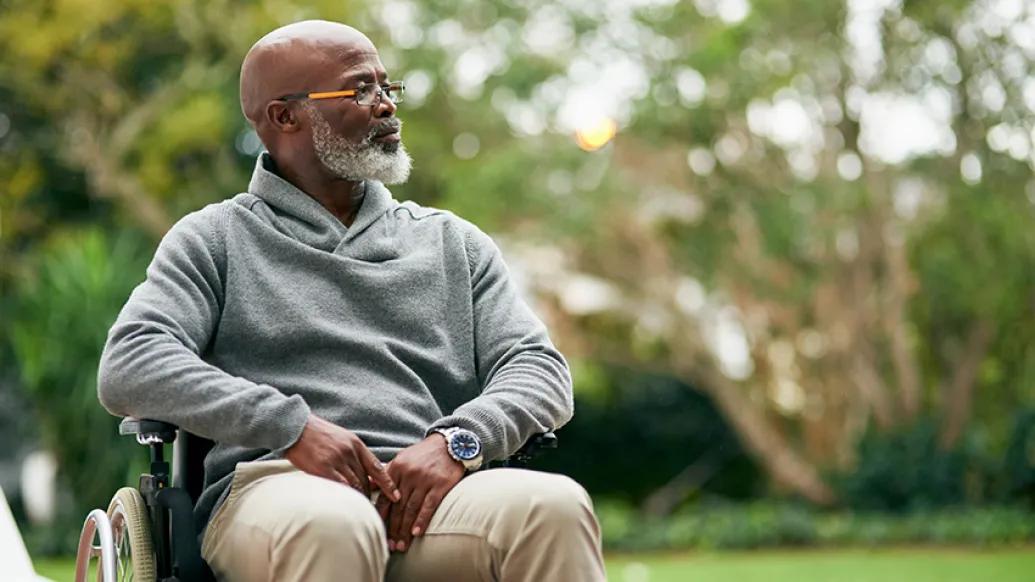
DETROIT, Nov. 19, 2025—Blue Cross Blue Shield of Michigan (BCBSM) and the University of Michigan (U-M) Center for Disability Health and Wellness are accepting applications from Michigan safety net organizations interested in enhancing health care access and quality for individuals with disabilities.
Sixty thousand dollars in grants, up to $10,000 each, will be awarded to support health care for individuals with physical, cognitive, sensory, and developmental disabilities. Projects eligible for funding include:
- Training activities to improve disability awareness, cultural competency, person-centered interactions and emergency procedures.
- Accessible patient materials such as alternative formats for patient forms, assistive technology and communication.
- The one-time purchase of equipment for noise cancellation, accessible medical instruments, reading devices or modifying exam rooms to increase accessibility.
All projects should demonstrate involvement of local disability representatives and show how the project will have a broad impact on people with disabilities.
“Everyone in Michigan deserves access to quality health care that meets their unique needs,” said Tiffany Albert, senior vice president of Community Relations at Blue Cross Blue Shield of Michigan. “These grants help bridge gaps in health care access and quality for individuals with disabilities, making services more inclusive. We’re proud to work with the U-M Center for Disability Health & Wellness on a second round of funding to improve patient lives and strengthen communities."
Safety net health organizations are vital in improving access to high-quality, affordable health care for people with disabilities and others in need. These organizations play an important role in improving health outcomes, reducing unnecessary ER visits and controlling medical expenses. Access to essential health services is crucial, as it enables early detection and management of chronic diseases, prevents serious outcomes and helps improve care affordability.
“We know clinicians want to be able to provide safe, high-quality care for people with disabilities. Sometimes though, a lack of knowledge about what to door competing organizational priorities can make addressing disability accessibility issues a challenge,” said Dr. Michelle Meade, director of U-M Center for Disability Health and Wellness. “Our goal with this grant program is to provide additional resources for the safety net organizations that provide essential care for the people of Michigan. We are excited about this partnership with Blue Cross Blue Shield of Michigan that reflects both the value they put on addressing the needs of their members and communities and allows us to synergize our strengths to support clinicians and health care organizations.”
The grants are supported by Blue Cross Blue Shield of Michigan and the U-M Center for Disability Health and Wellness, which receives funding from the National Institute on Disability, Independent Living and Rehabilitation Research through the Advancing Health Equity among Adults with Disabilities from Diverse Communities Rehabilitation Research and Training Center.
Organizations interested in applying for the grant can visit the updated grant application and information page.
# # #
About Blue Cross Blue Shield of Michigan
Blue Cross Blue Shield of Michigan, a nonprofit mutual insurance company, is an independent licensee of the Blue Cross and Blue Shield Association. BCBSM provides health benefits to more than 4.7 million members residing in Michigan in addition to employees of Michigan-headquartered companies residing outside the state. The company has been committed to delivering affordable health care products through a broad variety of plans for businesses, individuals and seniors for over 80 years. Beyond health care coverage, BCBSM supports impactful community initiatives and provides leadership in improving health care. For more information, visit bcbsm.com and MiBlueDaily.com.
About University of Michigan Center for Disability Health & Wellness
The University of Michigan Center for Disability Health and Wellness was developed in response to the passion and commitment of faculty and staff in numerous interdisciplinary collaborations across the University of Michigan, who are working to enhance health care access and quality for individuals with disabilities throughout their lifespan. In partnership with the disability community, in Michigan and the US, we develop and apply innovative research, clinical, and educational strategies to address inequities in healthcare access, quality, and outcomes experienced by individuals with physical, sensory, and developmental disabilities across the lifespan. For more information, visit michmed.org/disabilityhealth.
In This Story

Michelle A Meade, PhD
Professor
Featured News & Stories

What’s changing in Medicaid and what can you do?

C.S. Mott Children’s Hospital and The Parade Company Unveil New Float Inspired by “Little Victors” to Debut in 100th America’s Thanksgiving Parade® presented by Gardner White

What Can a Blood Test Really Tell Us About Alzheimer’s Disease?
A gift for Michigan’s most vulnerable babies

Intermittent fasting can reverse diabetes in mice, study finds