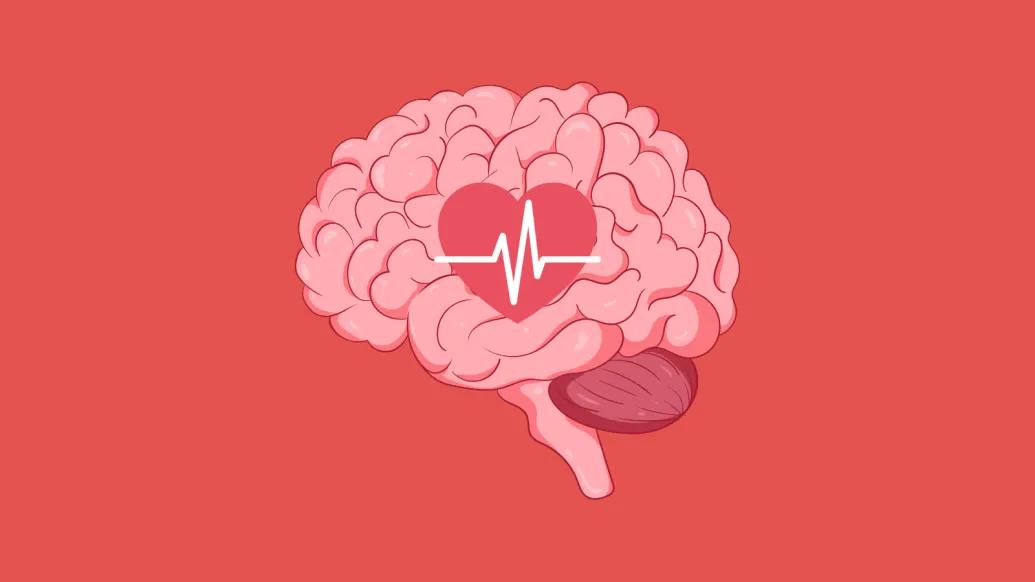
Center Director, Dr. Henry Paulson, often says, “What’s good for your heart is good for your brain.” He says this because the ways we typically take care of our heart – including regular exercise, a diet low in saturated fats and sodium, and monitoring our blood pressure – also support the brain.
One in three American adults has high blood pressure. Having high blood pressure increases your risk of heart disease and stroke. Preventing or controlling high blood pressure not only helps your heart but can also help your brain. Research has shown that having high blood pressure in midlife — from the 40s to the early 60s — increases the risk of cognitive decline later in life. Also, in the SPRINT MIND study, researchers found that people age 50 and older who lowered their systolic blood pressure to less than 120 mmHg reduced their risk of developing mild cognitive impairment, which is often a precursor to dementia.
How blood pressure affects cognition—the ability to think, remember, and reason—is less well understood. While more research is needed, it is encouraged to take healthy lifestyle steps to keep blood pressure in a safe range.
A previous Michigan ADRC REC mentee, Dr. Lenette Jones, is a behavioral nurse scientist interested in optimizing cardiovascular health for all patients. Her research program is focused on uncovering the mechanisms – biological, psychological, social, and physical – of blood pressure self-management interventions.
Dr. Jones presented “Pressure Points: Protecting Your Brain by Controlling Your Blood Pressure” as part of our Speaker Series last summer. In this presentation, she discusses how the heart and brain are connected, what blood pressure control is, and why it is important for brain health. She also details three key strategies for maintaining blood pressure levels in a safe range.
View the presentation below to learn more about how you can take steps to care for your heart and brain today.
Sources:
https://www.nia.nih.gov/health/brain-health/cognitive-health-and-older-adults
https://www.nia.nih.gov/news/high-blood-pressure-linked-cognitive-decline
Featured News & Stories
Could preeclampsia become a thing of the past?

A heart attack 9 days after giving birth: Mother of 4 shares her SCAD experience

Specialized local care gives baby with severe heart condition a stronger start before surgery

2 heartbeats, 1 future: Why pregnancy is a critical window for women’s heart health
How to use an AED in a cardiac emergency