The Latest on Stem Cell & Gene Therapy
Dr. Kevin Chen led a team that reviewed “Stem cell therapeutics and gene therapy for neurologic disorders.”
Author |
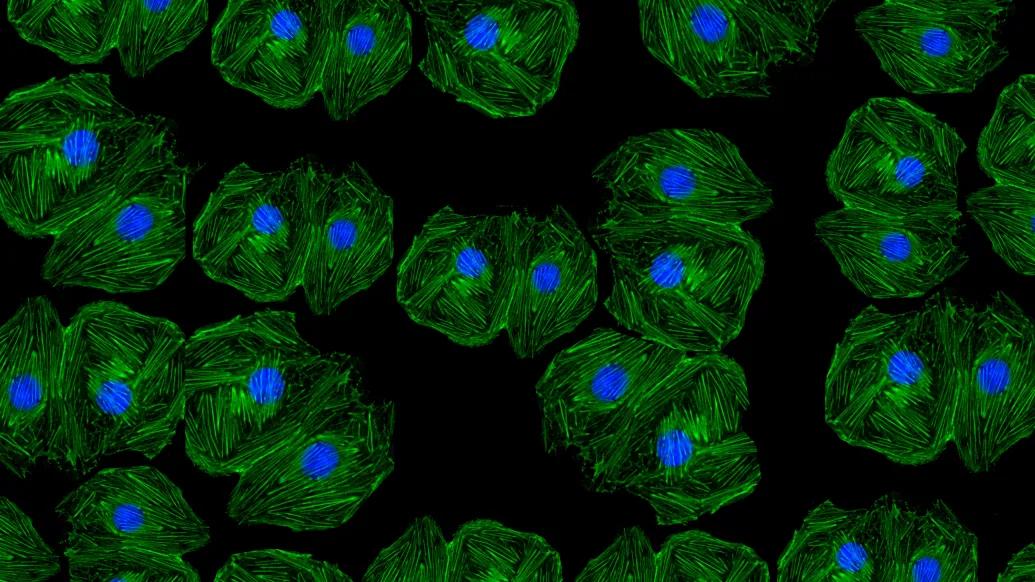
Neurotherapeutics published the review led by Frances and Kenneth Eisenberg Emerging Scholar Kevin Chen, M.D., which explored various stem-cell-based strategies for treating neurologic diseases, focusing on the characteristics that make them suitable for specific therapeutic applications. The review addressed cell transplantation and maintenance challenges and looked at current gene therapy methodologies, highlighting their use in early clinical trials. It also examined the potential synergy between stem cell and gene therapy approaches, particularly with gene-modified cell therapies, which enhance treatment options for neurologic disorders.
Some of the key takeaways from the review:
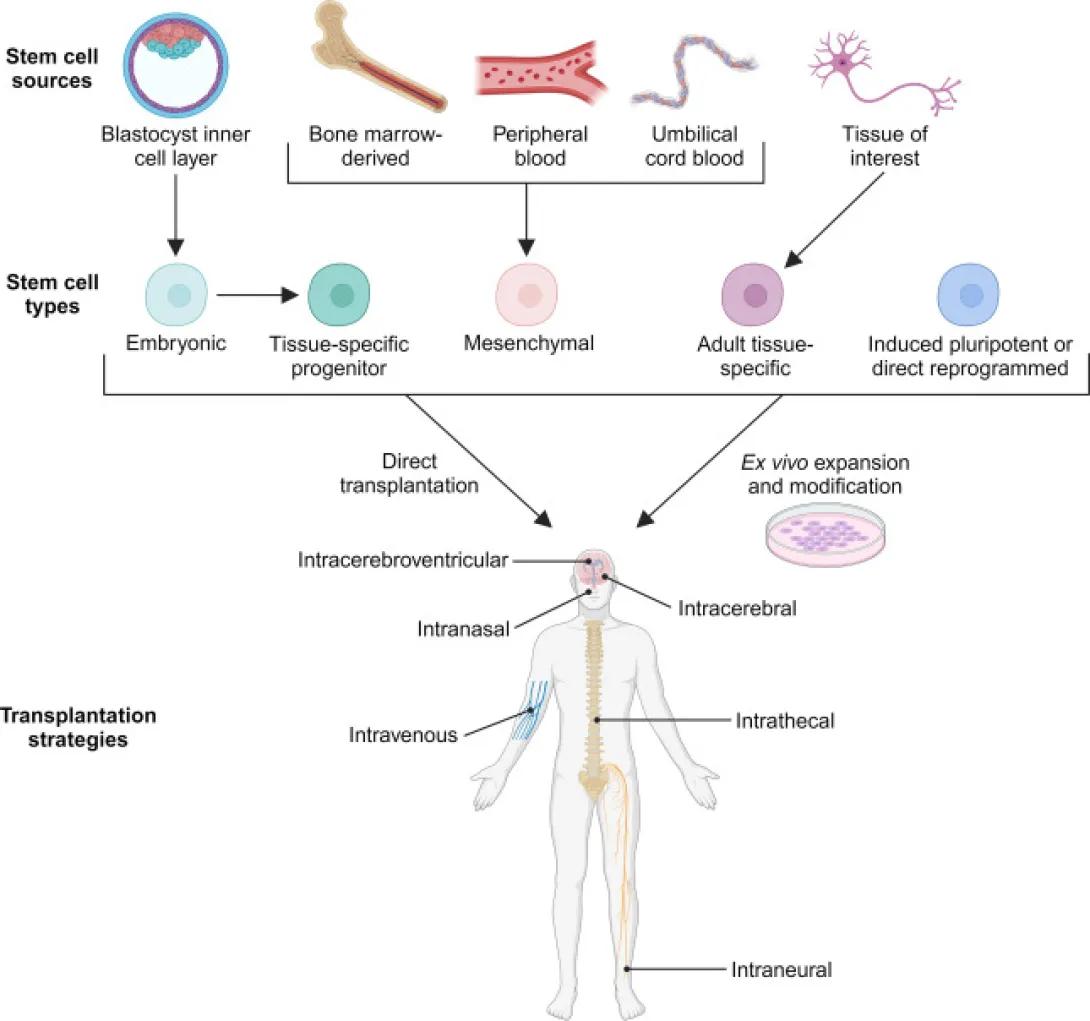
- Various stem cell types can be introduced in multiple ways. Each has pros and cons, and some work better for certain applications.
- Some of the ways that stem cell therapy may benefit the nervous system are via cell replacement/regeneration, secretion of helpful biomolecules, cell-to-cell interaction support, toxin scavenging, or other mechanisms.
- Genetic modification and editing technologies can be used to alter gene expression or even edit the underlying genetic sequence in the nucleus of neurons.
- Combining gene-modifying tools and stem cell biology enables genetically engineered stem cells. Stem cells can be modified to silence or correct diseased genes and express new designer genes.
- Genetically engineered stem cell therapy has the potential to address neurologic disorders. One of its pros is that multiple simultaneous mechanisms of action can be applied at the same time.
“This review surveys pioneering work that is underway to create novel, disease-modifying treatments for neurological disorders,” explains Dr. Chen. “As our basic understanding of diseases advances, so too does progress in biotechnology. Together, these enable new strategies to treat diseases of the nervous system.”
Funding support came from the National Institutes of Health (U01AG057562 to ELF), the Alzheimer's Association (AACSF-22-970586 to KSC), the Frances and Kenneth Eisenberg Emerging Scholar Fund (to KSC), the Robert and Katherine Jacobs Environmental Health Initiative, the Andrea and Lawrence A. Wolfe Brain Health Initiative, Richard and Jane Manoogian Foundation, Frank L. and Helen Gofrank Foundation Research Program in Alzheimer's Disease and Brain Health, Kiriluk Family Fund for Brain Health Research, the Taubman Foundation, and the NeuroNetwork for Emerging Therapies.
Paper cited: Chen KS, Koubek EJ, Sakowski SA, Feldman EL. Stem cell therapeutics and gene therapy for neurologic disorders. Neurotherapeutics. 2024 Aug 2;21(4):e00427. doi: 10.1016/j.neurot.2024.e00427. Epub ahead of print. PMID: 39096590.
In This Story
Kevin S Chen, MD, FAANS, FCNS
Assistant Professor
Featured News & Stories

Emerging into the Future
Ljungman receives $500K from the Little Warrior Foundation for Ewing sarcoma gene-editing therapy

3D-Printed Models - Conjoined Twins
CPOD Faculty Publication Spotlight - Heemskerk Lab
Critical Care Program Fulfills Patients’ Final Wishes, Bringing Comfort to Last Moments