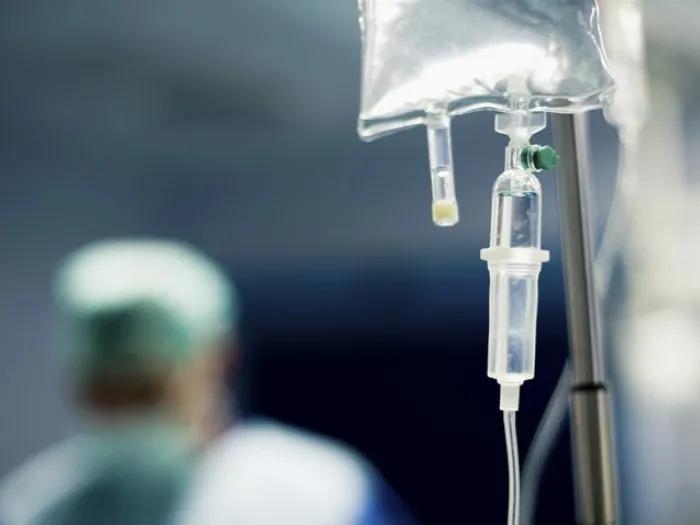
Metabolic clues could lead to potential treatment in complex critical illnesses
Weil Institute investigators examine how metabolism affects blood biomarkers in sepsis and ARDS.
Author |

ANN ARBOR, MI – A University of Michigan Weil Institute research team has received a 5-year, $2.2 million grant through the National Institute of General Medical Sciences (NIGMS) Maximizing Investigators' Research Award (MIRA) program. Led by Dr. Kathleen Stringer, a Deputy Director of the Max Harry Weil Institute for Critical Care Research and Innovation and Albert B. Prescott Collegiate Professor of Clinical and Translational Pharmacy, the project will enable researchers to build upon earlier work uncovering potential diagnostic and predictive biomarkers and drug target opportunities that could be crucial for tackling critical illnesses such as sepsis and the Acute Respiratory Distress Syndrome (ARDS).
“Sepsis and ARDS represent major health burdens worldwide, yet the development of targeted treatments for these conditions is made challenging due to the conditions’ heterogeneity, or the variability we see their clinical and biological features,” said Dr. Stringer.
The project is funded by a renewal of a MIRA award Dr. Stringer received in 2020, "Translational Metabolomics in Critical Care," which aims to solve this problem by studying how metabolism provides information about health, illness, and drug response in sepsis and ARDS. The information the team acquires from this work could help determine what signals in the blood could be used to develop new therapies for these complex critical illnesses.
Translational Metabolomics: Three Areas of Focus
One of the key questions the team is examining focuses on how gut pH and microbial metabolites contribute to the variability observed in sepsis. Using a novel swine model of sepsis developed in the Weil Institute’s Preclinical Critical Care Laboratory, Dr. Stringer and her team will examine how the ecosystem of bacteria in the gut—the “gut microbiome”—affects the composition of biomarkers in the blood by using antibiotics to manipulate gut anaerobe levels. According to the team, insights gained from this work could potentially inform clinical practices that lessen sepsis severity by mitigating these disruptions in the microbiome.
The team’s second area of focus will investigate how a protein called angiopoietin-2 (ANG2), which plays a crucial role in inflammation, influences the metabolic disruptions and organ dysfunction caused by sepsis. Previous studies have shown an inverse correlation between levels of ANG2 and certain fatty acid metabolites, suggesting that ANG2 plays a role in influencing sepsis pathology. Dr. Stringer's team aims to clarify the impact of ANG2 on energy metabolism and assess its potential as a therapeutic target.
"This work would not be possible without the unwavering support of the Weil Institute and its cores. Of particular importance to this project is the Weil support that enabled the development of novel and high-fidelity swine models of sepsis and ARDS. These have given our team a significant advantage in solving the clinically challenging problems of these critical illnesses."
Kathleen Stringer, PharmD
Albert B Prescott Professor of Clinical and Translational Pharmacy, College of Pharmacy; Professor of Internal Medicine,
Michigan Medicine
Another critical area of Dr. Stringer's research will examine whether levels of acetyl-L-carnitine, (a form of L-carnitine, which is an amino acid that turns fat into energy), could predict sepsis severity and outcomes. This area of the team’s research will be undertaken in collaboration with The Great Lakes Clinical Center for the ARDS, Pneumonia and Sepsis (APS) Phenotyping Consortium, another NIH-funded study led by Weil Institute researchers, on which Dr. Stringer is a co-investigator. By analyzing the blood sample data of over 4,000 patients that will be generated through the NIH APS Consortium, the team aims to solidify acetylcarnitine's prognostic value as a key indicator of sepsis outcomes.
“The APS study will be the largest and most thoroughly characterized cohort of critically ill patients ever studied," said Dr. Robert Dickson, one of the U-M principal investigators on the APS project, a Deputy Director of the Weil Institute, and Galen B Toews M.D. Legacy Professor of Pulmonary and Critical Care Medicine. "A core hypothesis of the study is that metabolites generated by gut bacteria travel to end organs and play a crucial role in their function and dysfunction. We are fortunate to have Dr. Stringer’s expertise to measure and understand these metabolites in APS patients."
Collaborating With Weil
Throughout Dr. Stringer’s research program, the Weil Institute’s core units have provided comprehensive support. The Institute's Proposal Development Unit played a key role in securing both the initial MIRA grant as well as the latest renewal. The Weil Preclinical Critical Care Lab is aiding the research team through their novel large animal models of sepsis and ARDS, together with providing the state-of-the art facilities and equipment needed for the complex, around-the-clock monitoring and care of these models. Furthermore, the Weil Institute Data Science team will assist in handling the study’s clinical and human cohort data sets and integrating them with the metabolomics data.
“This work would not be possible without the unwavering support of the Weil Institute and its cores," said Dr. Stringer. "Of particular importance to this project is the Weil support that enabled the development of novel and high-fidelity swine models of sepsis and ARDS. These have given our team a significant advantage in solving the clinically challenging problems of these critical illnesses.”
With continued support and collaboration from the Weil Institute, and empowered by the additional funding from NIGMS, Dr. Stringer and her team aim to push their work to its ultimate goal, moving Translational Metabolomics beyond discovery into practical applications in the care of our sickest patients.
About the Weil Institute
The team at the Max Harry Weil Institute for Critical Care Research and Innovation is dedicated to pushing the leading edge of research to develop new technologies and novel therapies for the most critically ill and injured patients. Through a unique formula of innovation, integration and entrepreneurship that was first imagined by Weil, their multi-disciplinary teams of health providers, basic scientists, engineers, data scientists, commercialization coaches, donors and industry partners are taking a boundless approach to re-imagining every aspect of critical care medicine. For more information, visit weilinstitute.med.umich.edu.
In This Story
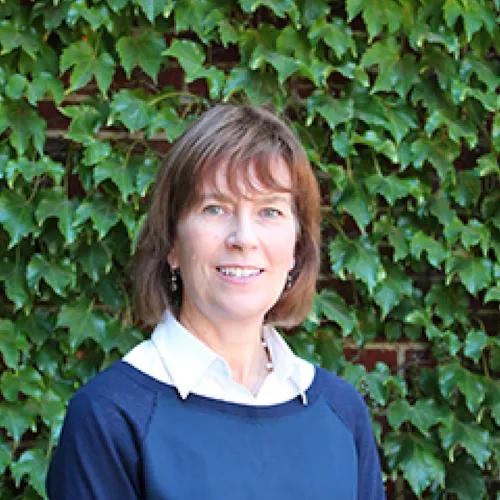
Kathleen A Stringer
Professor
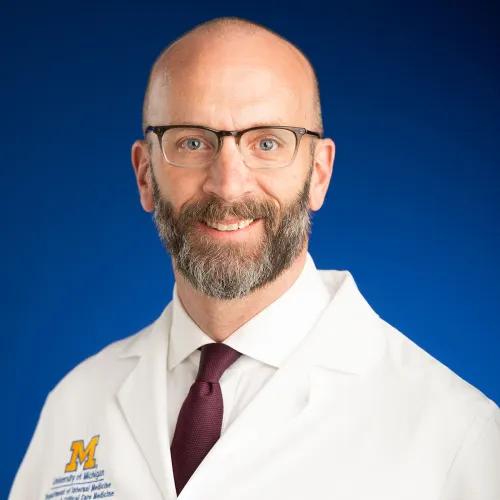
Robert Pickett Dickson, MD
Professor
Featured News & Stories
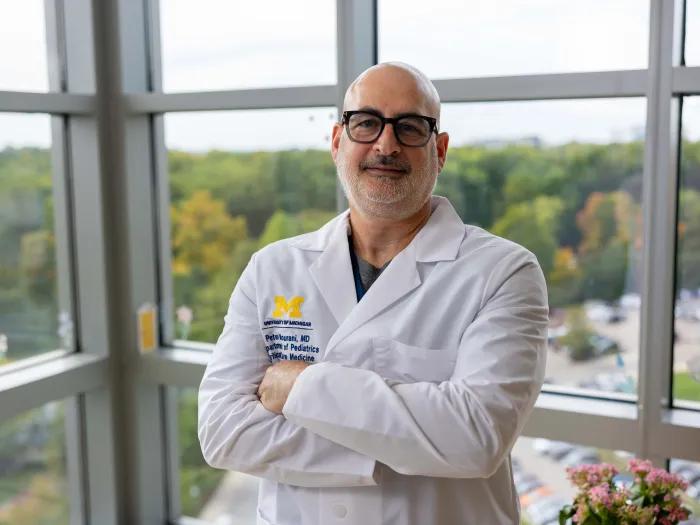
U-M-led consortium to receive up to $52 million in NIH funding to study why viral respiratory infections affect children differently

What should you know before starting a GLP-1?
NASCAR star’s death shows how sepsis can kill anyone if not caught
Honoring the Heart of Care: Nurse Well-Being in Action
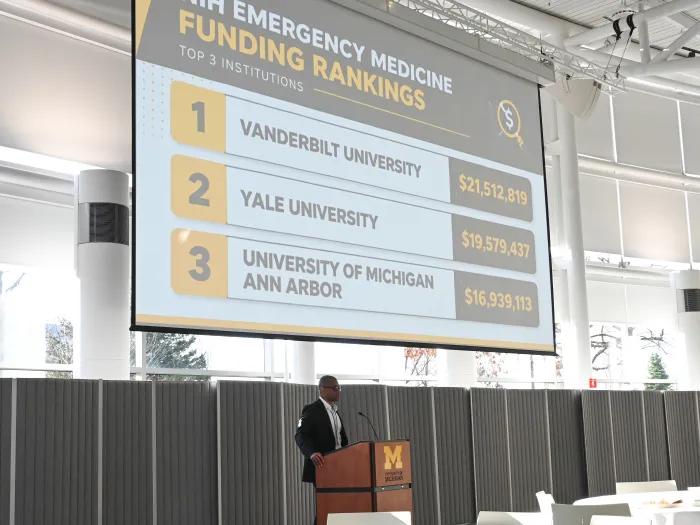
Barsan Day Highlights Emergency Medicine Research and Innovation