
Michigan Public Features Diabetes Cost Research
Dr. Evan Reynolds was interviewed by the public radio station about his recent findings that diabetes patients have higher costs out-of-pocket, a very problematic issue.
Study: diabetes patients pay more out of pocket
Michigan Public | By Alvin (AJ) Jones
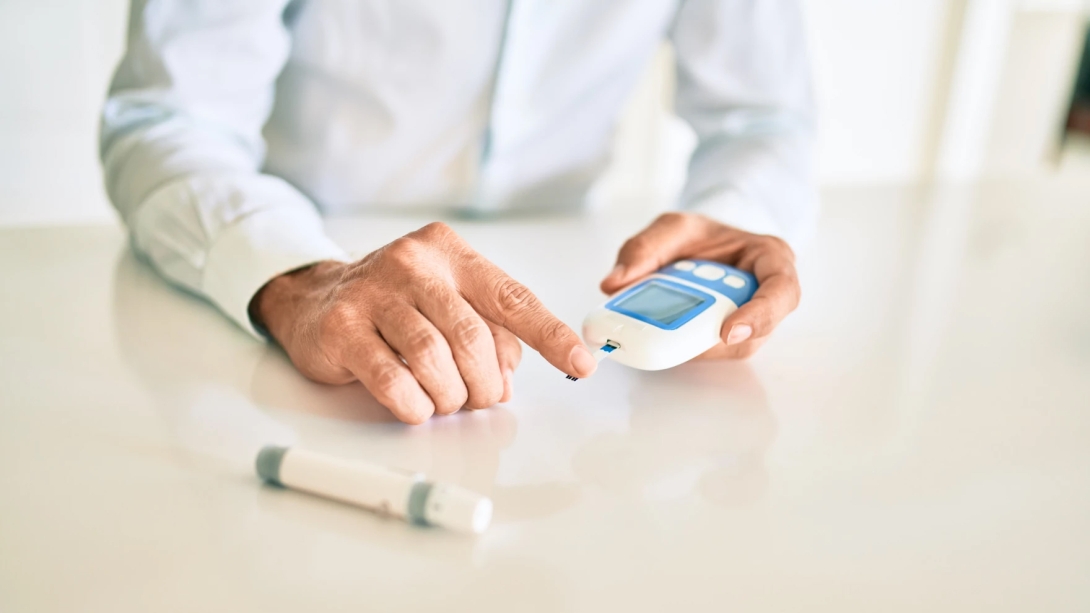
A Michigan Medicine study found that patients with type 1 and type 2 diabetes pay more out of pocket on average than those without diabetes. In particular, the study found those with type 1 diabetes paid the highest amount out of pocket.
The study analyzed a database of national health insurance claims from 2009 to 2018. It found that those with type 1 paid the most in total and out of pocket costs, followed by those with type 2 and those without diabetes. In 2018, those with type 1 accumulated, on average, $25,652 in total costs and $2,037 out-of-pocket expenses. Those with type 2 accrued $14,220 total and $1,122 out-of-pocket.
The researchers also found that, out of those three groups, only those with type 1 diabetes experienced an increase in out-of-pocket payments.
Evan Reynolds is a lead statistician at Michigan Medicine and the lead author of the study. He said the need for insulin is a major factor, but only drives some of the costs.
“I believe over 20% of the costs we found were attributed to insulin, but really even outside of insulin, other diabetes related medications for persons with type 1 and type 2 diabetes were really driving the cost,” he said.
Reynolds said diabetes medications drive over half of the out-of-pocket costs.
“We also found that persons with type 1 diabetes spend a substantial amount on diabetes-related supplies,” Reynolds said. “So these included things like pumps, diabetes, test strips, continuous glucose monitoring systems.”
The risk, Reynolds said, is that those who experience high costs for diabetes medications are less likely to use them.
“We know that high costs for medications tends to reduce the likelihood patients continue on these medications,” he said. Moreover, the research found that those who deal with crippling costs for medication are more likely to experience mental health problems, a trend known as “financial toxicity.”
“It's possible that these increasing costs and high levels of sustained costs that patients pay out of pocket on a monthly basis might be contributing to that increased risk for anxiety and depression,” Reynolds said.
The researchers recommended policies to help drive down the cost of diabetes treatments.
“We know that these aspects of preventative health care for diabetes, which we consider medications, visits to providers such as visits to primary care endocrinologists, and also diabetes-related supplies even at current costs have been shown to be cost effective,” Reynolds said. “Policies that rein in those costs are really potentially useful for patients with diabetes and could ultimately improve diabetes-related outcomes.”
Reynolds pointed to the $35 cap on insulin prices for Medicare users enacted through the Inflation Reduction Act as an example.
“Maybe similar caps on out of pocket spending could at least ensure that patients aren't paying great amounts for their diabetes-related health care,” he said.
Reynolds called policies like that “a great first step” to address health care costs.
Reynolds also recommended screening those with diabetes for mental health issues like anxiety and depression.
“I think it's really imperative that as diabetes care providers, we really screen patients for the potential side effects of these high costs by screening frequently for a number of mental health conditions, particularly anxiety and depression.”
Featured News & Stories

Supplementing with peptides: Good for extra pep or a needless step?
A unique patient case inspiring research
New hope for early diabetes detection

Researchers uncover why a rare disease resulting in abnormal fat loss can also lead to diabetes

Six U-M medical research teams picked for virtual science tournament

