Morning tips to keep your brain sharp
Reader's Digest's The Healthy interviewed Dr. Eva L. Feldman about what to do in the morning to keep your brain sharp.
Author |
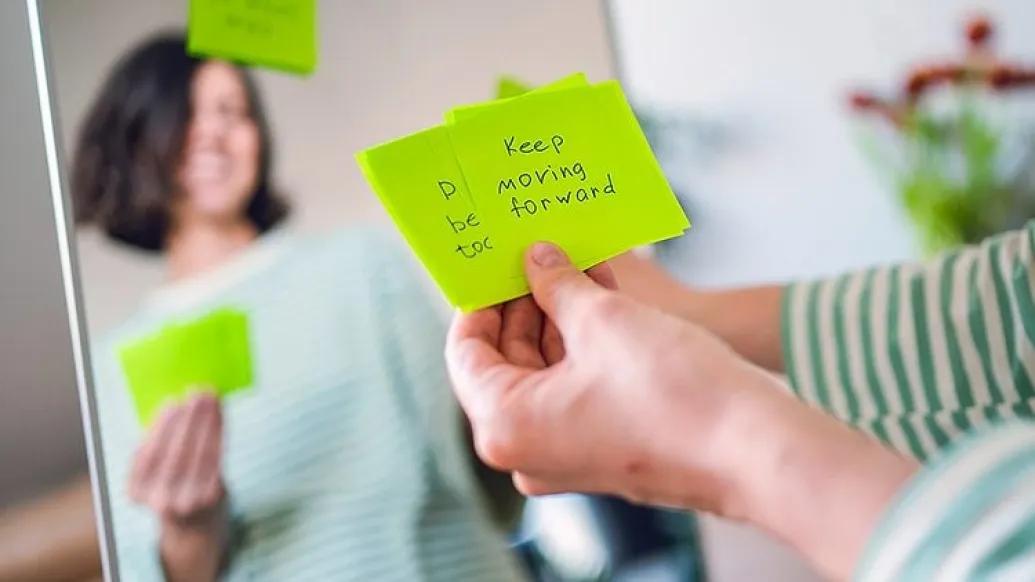
Do These 5 Things Every Morning to Keep Your Brain Sharp, Say Neurologists
Your morning routine may do more than boost your mood. Experts share the evidence-backed habits they recommend adopting ASAP.
For many of us, morning routines can be a bit…hectic. From rushing around before work to getting the kids ready for school, it can be hard to establish a routine that sets the tone for the rest of the day.
In fact, a 2025 survey by Nespresso and Project Healthy Minds discovered that 90% of people say their morning routine impacts their mental wellness for the rest of the day. But experts say those first few hours of the day may influence far more than just your mood.
The healthy habits you build into your morning—whether it’s exercising, managing stress, or eating a balanced breakfast—can also help support long-term brain health and healthy aging.
Below, experts explain why the morning is an ideal time to invest in your brain health, the best morning habits for a sharper mind, and how even small changes today can benefit your brain for years to come.
Why mornings matter for your brain
Think of the morning as a fresh start not just for you, but for your brain, too. Eva L. Feldman, MD, PhD, a neurologist and one of the world’s leading experts on neurodegenerative diseases at the University of Michigan, explains that during the night, your brain is cleared of any cellular debris or “waste.”
This waste-clearing network, known as the glymphatic system, becomes especially active during sleep. After brain cells use nutrients for energy, they produce waste products. The glymphatic system uses fluid to help flush away that waste, according to the Cleveland Clinic.
“[This network] optimizes brain performance upon waking,” says Dr. Feldman. “So, mornings make for more alertness and mental acuity and a period for building cognitive performance.”
The first hour after waking is particularly important, says Majid Fotuhi, MD, PhD, a neurologist, neuroscientist, professor at Johns Hopkins Mind/Brain Institute, and author of The Invincible Brain. “It sets the tone for everything that follows,” he says. “If you wake up believing the day ahead will be great, you are far more likely to actually experience it that way.”
5 morning habits for healthy brain aging
When it comes to brain health, the overall goal, says Dr. Fotuhi, is not just to avoid damage, but to build a stronger and high performing brain over time.
These five morning habits can help boost brain health and promote healthy aging, according to experts:
1. Start the day with a positive mindset
It’s not always easy to start the morning a positive note (especially after a restless night’s sleep), but Dr. Fotuhi explains that a positive attitude is crucial for reducing stress levels.
“Chronic high levels of the stress hormone, cortisol, are toxic to your brain,” he explains. “When cortisol stays elevated day after day, it acts almost like a slow poison to the hippocampus, the brain region responsible for learning and memory.”
A calm, intentional morning is one of the simplest ways to keep that stress response in check, he says. Dr. Feldman adds that practicing stress-coping mechanisms can help build cognitive resilience in the long-run.
The U.S. Centers for Disease Control and Prevention (CDC) also recommends the following stress-relief techniques:
- Practicing deep breathing
- Taking a break from social media
- Spending time outside
- Meditating
- Talking to others about how you’re feeling
2. Try not to rush out of bed
Easier said than done, of course—but if you’re able to, try taking a few moments to reflect on your upcoming day.
“Ask yourself one simple question: How am I going to make today enjoyable?” says Dr. Fotuhi. “Take a few quiet minutes to think through your priorities for the day. Remind yourself that your brain is the most valuable organ you have, and that how you treat it today—and every day—will shape how well it serves you for decades to come.”
He recommends thinking about how the “five pillars of brain health”—exercise, diet, sleep, stress management, and mental stimulation—will fit into your day. A sense of optimism and energy can go a long way, he says—even on the mornings when your sleep wasn’t great.
3. Keep your mind active
Creativity and mental activities can help stimulate brain activity, says Dr. Feldman. She suggests writing, reading, and puzzle solving such as crosswords and sudoku, which she says can start you at a good pace for the rest of the day.
Dr. Fotuhi also recommends writing down your intentions for the day, which he emphasizes is a small but powerful habit. “So much of how we experience a day comes down to mindset, and I encourage people to cultivate three specific ones each morning,” he says. Your three written intentions can include:
- A sense of purpose: Take a moment to reconnect with your long-term goals and the life you are working toward.
- A growth mindset: Remind yourself that you are capable of far more than you give yourself credit for, and that the people you admire got there through effort—not a fixed advantage you lack.
- A positive outlook: Trust that things tend to work out, and that even setbacks often become the first step toward something better.
4. Exercise first thing if you can
“Exercise is beneficial to brain health, so a morning run, bicycle ride, swimming routine, or yoga session can get your neurons firing,” Dr. Feldman explains. “Group sports are also a good choice since social interactions support brain health with aging.”
Growing research reinforces the benefits of exercise for brain health. For example, a 2024 study published in GeroScience found that 12 weeks of resistance training was associated with changes in parts of the hippocampus that researchers say may reflect improved neuroplasticity, or the brain’s ability to learn and adapt to new challenges.
5. Eat a brain-friendly breakfast
According to Dr. Fotuhi, a breakfast centered around protein and fiber—along with coffee or tea—is a smart way to start the day. Although no single meal has been proven to protect brain health, foods commonly found in the MIND diet—which research shows may slow cognitive decline—make great breakfast additions, including:
- Leafy greens and other vegetables
- Nuts
- Olive oil
- Berries
- Poultry
- Fish
It’s never too early to build brain-healthy habits
Dr. Feldman says it’s best to start supporting your brain health as early as possible. Healthy brain aging is heavily influenced by the choices we make throughout life, and risk factors such as metabolic health and lifestyle factors—such as smoking and alcohol use—can impact the risk of cognitive decline later on. “By the time symptoms of poor brain health appear, it is too late, the ship has already sailed,” she says.
She adds that the best morning habits are those you actually want to stick with. Whether it’s taking a morning stroll outside, solving a crossword puzzle, or making a protein-rich breakfast, it’s consistency that matters most.
The more frequently you implement healthy morning habits, the more it impacts your future brain—which, according to Dr. Fotuhi, is incredibly malleable.
“Neuroplasticity is the most remarkable property of the human brain,” he says. “It means we are not stuck with the brain we have today. We can actively shape and strengthen it, improving both how we experience life right now and how sharp we stay decades from now. The morning is simply the best window each day to put that malleability to work.”
About the experts
- Eva L. Feldman, MD, PhD, is one of the world’s leading experts on neurodegenerative diseases. She currently serves as the University of Michigan James W. Albers Distinguished University Professor and the Russell N. DeJong Professor of Neurology at Michigan Medicine. Dr. Feldman has made contributions to biomedical research and clinical care in many critical areas of neurodegenerative disease.
- Majid Fotuhi, MD, PhD, is a nationally-recognized neurologist and a neuroscientist in the field of neuroplasticity. He has dedicated much of his career to educating the public about successful aging and prevention of Alzheimer’s disease, and is the author of The Memory Cure: How to Protect Your Brain Against Memory Loss, Boost Your Brain, and The Invincible Brain.
In This Story

Eva L Feldman, MD, PhD
Professor
Featured News & Stories

Many older adults make Medicare decisions quickly and most don’t change plans, poll finds

Faculty Spotlight: Jacqueline Madison Advances Care for Patients with Autoimmune Disease
What’s the latest on 7-OH and kratom availability and addiction care?

A metabolic “switch” that could help reset scar-producing cells in scleroderma

Depression in OBGYN residents needs more attention, study suggests