NeuroNetwork Fellow Receives Diabetes Award
Mohamed Noureldein, Ph.D., was named an inaugural Brehm-Concordia Scholar.
Author |
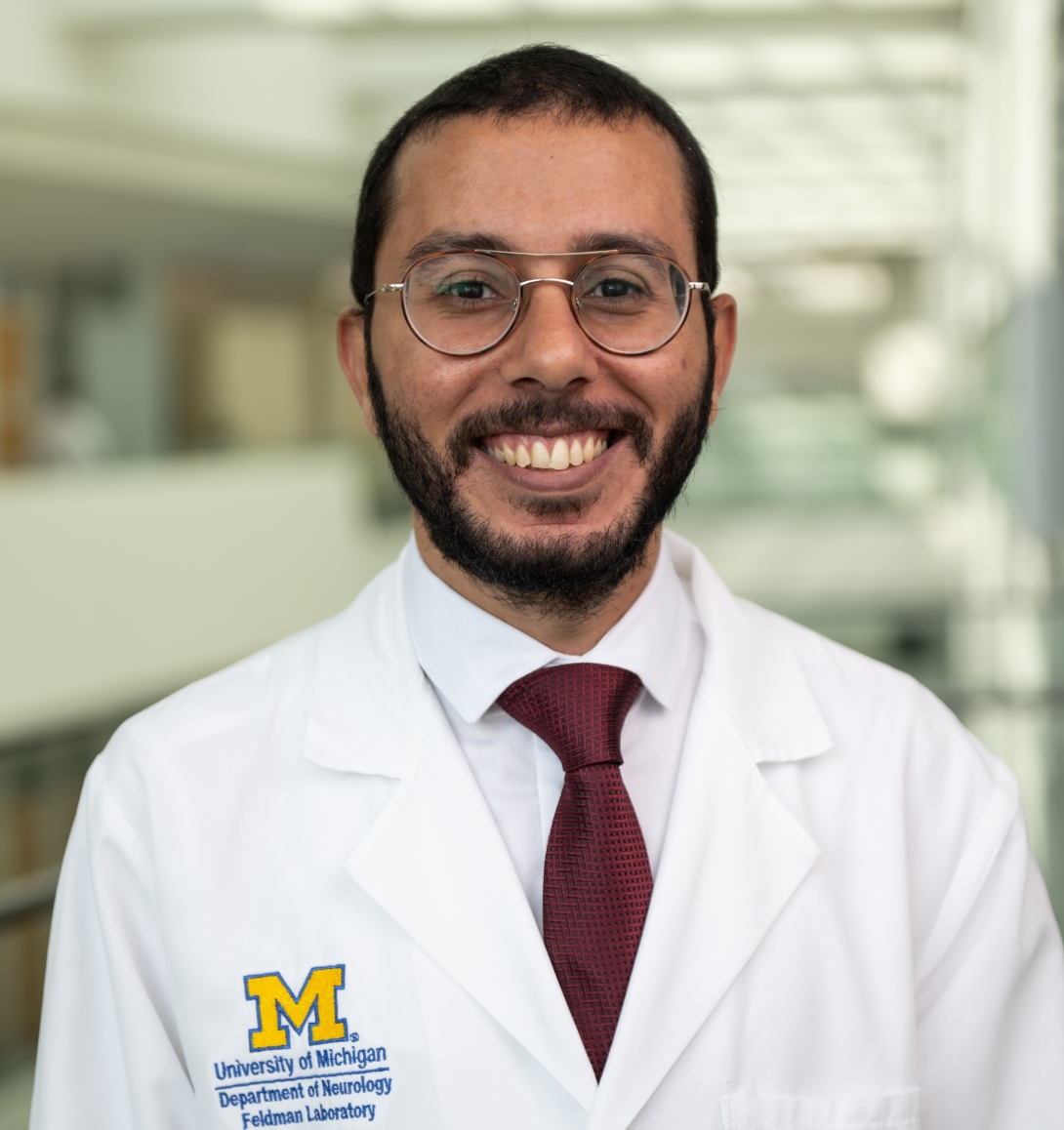
Mohamed Noureldein, Ph.D., a postdoctoral fellow at the NeuroNetwork for Emerging Therapies, has been chosen as one of the inaugural Brehm-Concordia Scholars through the Concordia Coalition for diabetes research.
The Concordia Coalition is a new alliance between three of the nation's leading centers of diabetes care and research — the Brehm Center at the University of Michigan, the Naomi Berrie Diabetes Center at Columbia University, and the Barbara David Diabetes Center at the University of Colorado. The alliance aims to foster collaborative research and cross-institutional community-building to train the next generation of diabetes and metabolic researchers. To achieve this goal, the Concordia Scholars Program was created.
The Scholars Program will identify young leaders in diabetes research and bring them together to develop innovative approaches to understanding the physiology and pathophysiology relevant to diabetes and related metabolic disorders. The program's goal is to ultimately improve the prevention and treatment of diabetes and related disorders.
Scholars from the three institutions will meet annually at the Concordia Diabetes Research Forum to present their research, learn about studies conducted by other Scholars, and have the opportunity to propose a new project to be funded by the Coalition. The first Forum will be held in New York City on September 22-24, 2024. Additionally, they will be provided mentoring and can participate in workshops to further their careers.
"I'm incredibly honored and excited to receive this award because it will also give me the opportunity for mentorship and career development workshops, as well as being able to collaborate with others who are doing similar work in the diabetes space," Dr. Noureldein shared.
Dr. Noureldein's work focuses on metabolic syndrome, including diabetes and its relation to Alzheimer's disease and related dementias. He is looking at oligodendrocytes, support cells for nerves in the brain. The metabolic syndrome causes these support cells to become dysfunctional, which leads to cognitive impairment and eventually Alzheimer's disease. Dr. Noureldein seeks to understand precisely how metabolic syndrome causes oligodendrocyte dysfunction, which could provide an exciting new therapy target for Alzheimer's disease, which currently doesn't have any effective treatments.
In her nomination letter, Eva Feldman, M.D., Ph.D., said: "Dr. Noureldein's ability to analyze bioinformatics as a biologist and approach biological questions as a bioinformatician distinguishes him in the research field. His work ethic, accomplishments, and devotion to advancing our understanding of the mechanisms underlying metabolic syndrome-associated Alzheimer's Disease and related dementias will tremendously impact the field."
Two other University of Michigan researchers, Becca Davidson, Ph.D., MS, and Warren Yacawych, will join Dr. Noureldein as Brehm-Concordia Scholars.
The Brehm Center at the University of Michigan is the hub for a cooperative network of academic, public health, and community partners to conduct diabetes research. Through collaboration and innovation, the center seeks to accelerate the advancement of scientific discovery in identifying a cure for diabetes and its complications.
William K. and Delores "Dee" Brehm have a long history of commitment to U-M, providing crucial vision and support for a range of projects and programs, including Brehm Tower, which houses many premier diabetes basic, clinical, and translational research scientists and laboratories. Supporting team science is a core element of the Brehm Center, helping to support a diverse collaborative of leaders and scientists with the skills, passion, experience, and space to expand and enrich the search for a cure.
Featured News & Stories

Supplementing with peptides: Good for extra pep or a needless step?
Convoys of Caregiving: Arab American Families Living with Dementia
Neighborhood Income and Cognitive Health
A unique patient case inspiring research
New hope for early diabetes detection