Neuropathy Research Covered by U.S. News and Many More
Research by Andrea and Lawrence A. Wolfe Research Professor Melissa Elafros, M.D., Ph.D., found that though it is a widespread disorder, neuropathy often goes undiagnosed, new research shows, leaving many people at risk of falls, infection, and even amputation.
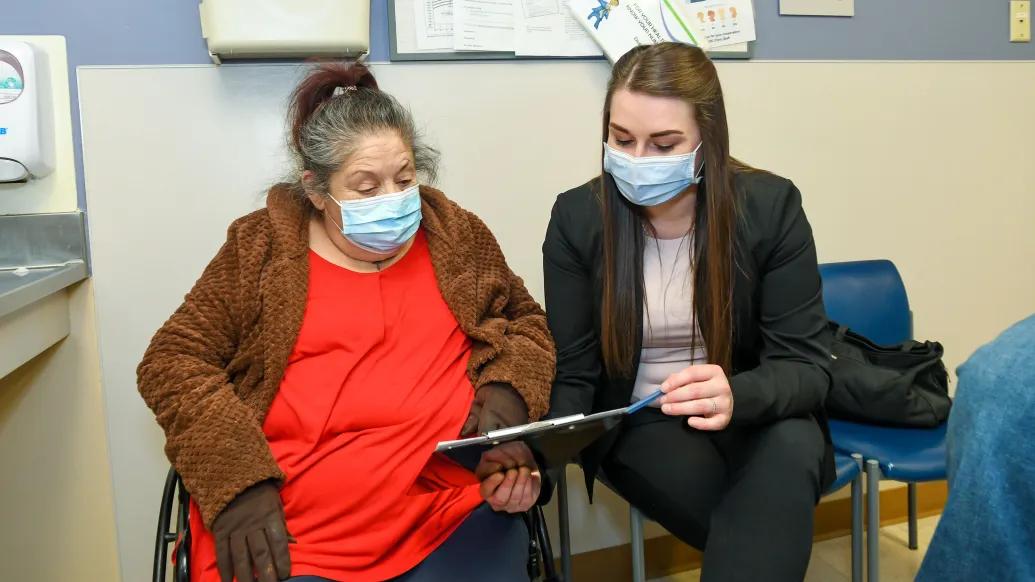
Neuropathy Nerve Damage Often Goes Undiagnosed
THURSDAY, May 9, 2024 (HealthDay News) — Though it is a widespread disorder, neuropathy often goes undiagnosed, new research shows, leaving many people at risk of falls, infection and even amputation.
Neuropathy is nerve damage that causes numbness and pain in feet and hands.
A study of 169 people treated at an outpatient clinic in Flint, Mich., found that 73% had neuropathy. Three-quarters had not been diagnosed.
"The amount of people with neuropathy in this study, particularly undiagnosed neuropathy, was extraordinarily high," study author Dr. Melissa Elafros, an assistant professor of neurology at the University of Michigan in Ann Arbor, said in a news release. "This highlights the urgent need for interventions that improve diagnosis and management of this condition, as well as the need for managing risk factors that can lead to this condition."
Average age of the study participants was 58, and 69% were Black people. Nearly 6 in 10 participants with neuropathy were in pain.
Half of the participants had diabetes, a major cause of neuropathy. Two-thirds had metabolic syndrome, a collection of symptoms that include excess belly fat, high blood pressure and high blood levels of triglycerides, sugar and cholesterol. Those also put people at risk for neuropathy.
After accounting for other factors that could affect risk, the study found that people with metabolic syndrome had four times the risk for neuropathy compared to people without the syndrome.
"More than one-third of people with neuropathy experience sharp, prickling or shock-like pain, which increases their rates of depression and decreases quality of life," Elafros said. "People with neuropathy also have an increased risk of earlier death, even when you take into account other conditions they have, so identifying and treating people with or at risk for neuropathy is essential."
Her team also looked for links between race and income and neuropathy. They found no tie between low income and the condition. They also found that Black people had a lower risk for neuropathy: 6 in 10 participants with neuropathy were Black as were nine in 10 without neuropathy.
Researchers noted that the study is only a snapshot in time and it did not examine the reasons why people were unable to manage risk factors that may lead to neuropathy.
The findings were published May 8 in the journal Neurology.
Other media coverage includes:
Featured News & Stories

Study reveals the dual role for a protein critical for healing nerve damage

Diabetic teens with high blood sugar have higher neuropathy risk in adulthood

Nerve damage reduced in prediabetic mice with diet, exercise
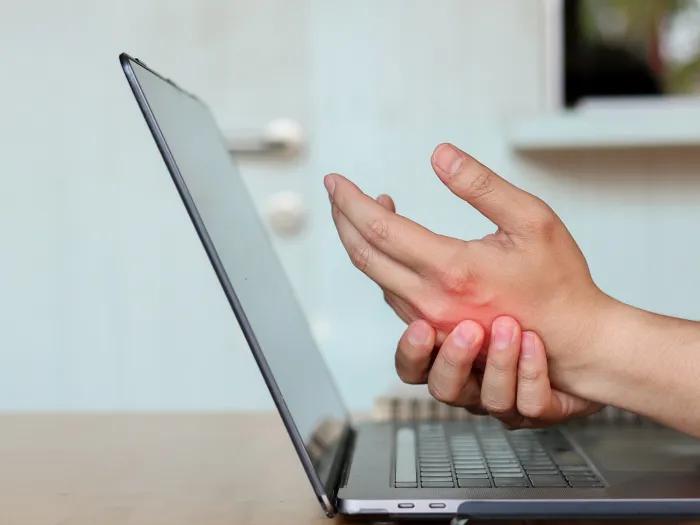
Work-related nerve injuries are common with repetitive motions
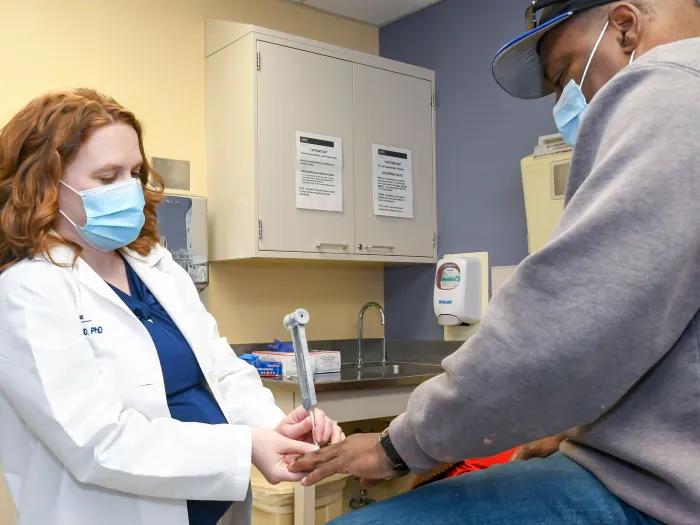
Neuropathy common, and mostly undiagnosed, among patients in this Michigan city