New Diabetes and Mental Health Initiative Established
When thinking about diabetes, many times the physical implications are the focus. Recognizing the mental impact of this life-changing condition as equally important, UM established the new Diabetes and Mental Health Initiative (DMI) to support the whole person living with diabetes- physically, mentally, emotionally, and socially.
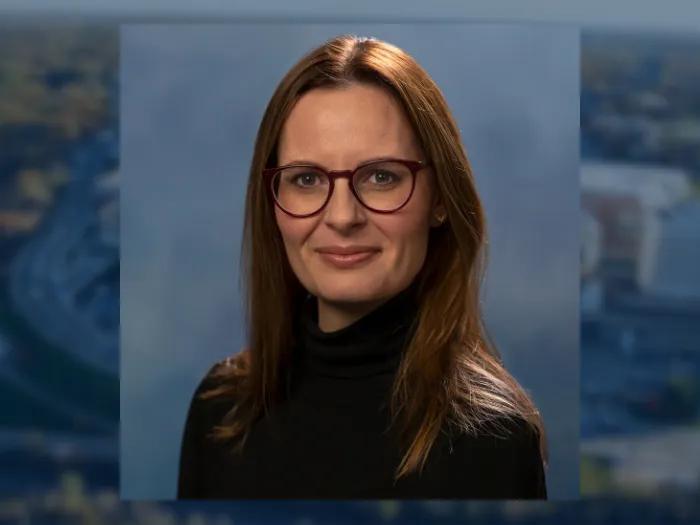
Led by Dr. Briana Mezuk, Associate Professor in the Department of Epidemiology at the University of Michigan School of Public Health, and Co-Director of Center for Social Epidemiology and Population Health (CSEPH), the overall goal of this initiative is to understand the mental health and social needs of Michigan Medicine patients with diabetes and identify modifiable healthcare system gaps in addressing these needs.
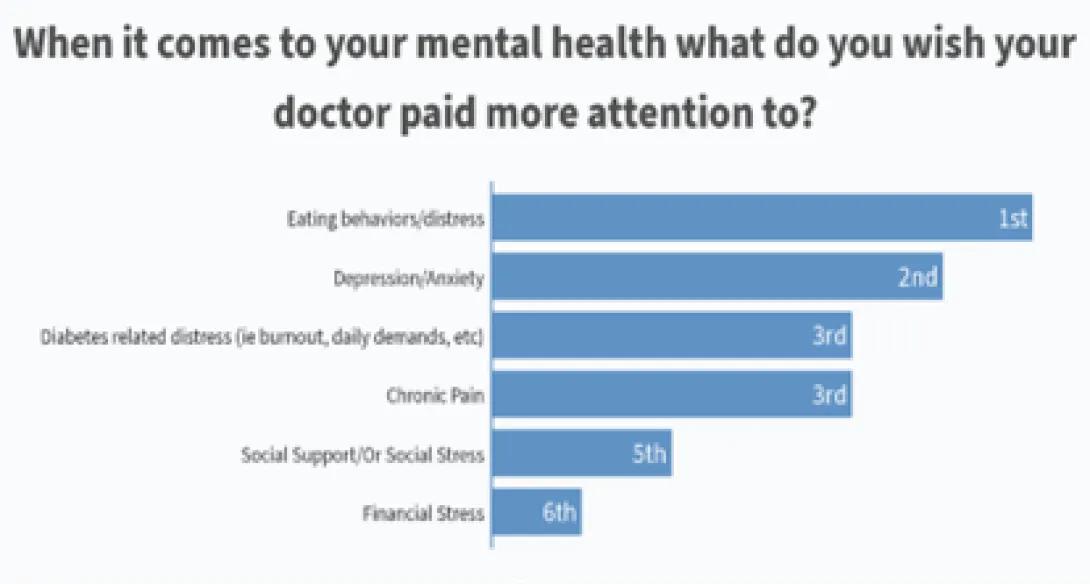
To glean preliminary insight, DMI leadership met with the patient advisory board of the Caswell Diabetes Institute and asked what they wished their doctor paid more attention to as it pertains to their mental health. The graph below, shares their responses, in rank order.
Building upon these initial discussions, the initiative will seek to:
- Survey the mental health needs and psychosocial characteristics of 2,500 adults with diabetes who come to Michigan Medicine for care.
- Identify the many factors that influence both availability and accessibility of health care and community-based services to support these patients.
- Investigate any system-level barriers or incentives to receiving psycho-social support.
The long-term vision of this vital initiative is for UM to become a leader in research, training and sharing of best practices to address and promote those aspects of living with diabetes that are often times not prioritized.
Featured News & Stories

$3.9 million NIH grant to fuel U-M effort to develop first targeted therapy for fatal childhood brain disorder

15 years of data will help uncover how flu spreads—and how to reduce its impact

Rural-urban disparities in head and neck cancer

Digital alerts support timely treatment decisions of critically ill cardiac patients
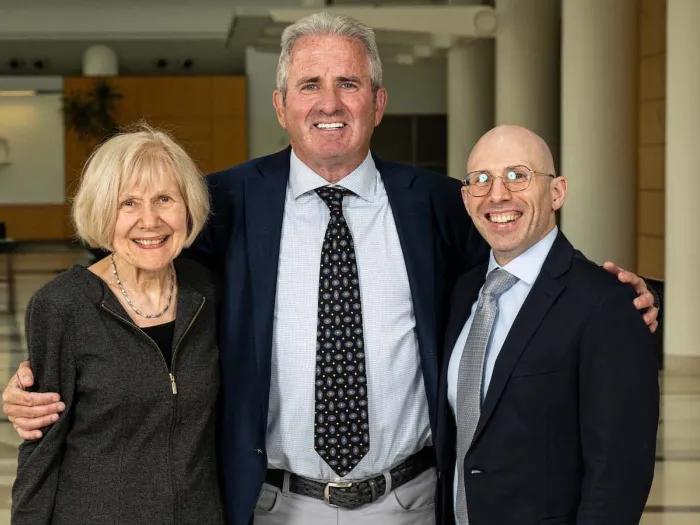
Scott Pranger ALS Center Symposium celebrates hope, innovation, and a commitment to ending ALS