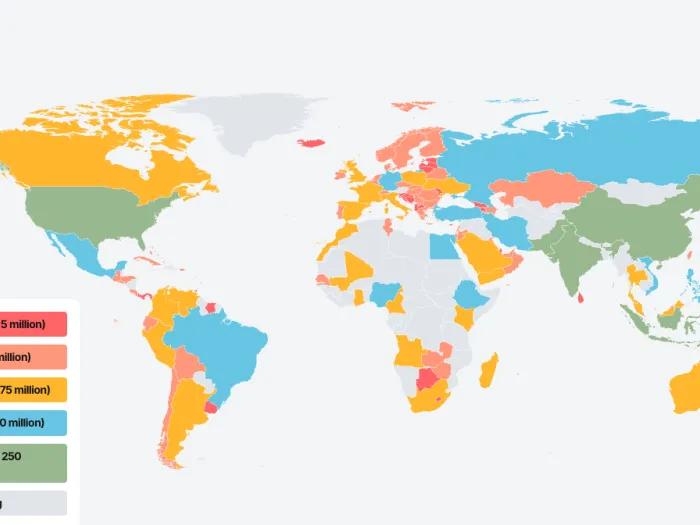
New Publication from Our Research Team: Global Trends in Bipolar Medication Use
The research examines medication treatment patterns for bipolar disorder globally.

We’re excited to share our latest publication: “Global Trends in the Use of Pharmacotherapy for the Treatment of Bipolar Disorder” by Drs. Anastasia K. Yocum and Balwinder Singh, published in Current Psychiatry Reports (2025). Read it here.
This comprehensive review analyzes over a decade of international research on pharmacological treatment patterns for bipolar disorder, offering a global snapshot of how care is delivered in real-world settings. While mood stabilizers and antipsychotics continue to anchor treatment, our findings show that antidepressants remain widely used, even in contexts where their safety and effectiveness are debated—underscoring potential gaps between clinical guidelines and practice.
We also highlight striking regional differences. For example, lithium—still a gold standard—has seen declining use in some high-income countries, while remaining central in others. Access to newer medications and healthcare infrastructure also shapes prescribing trends, often creating disparities in care. Across studies, second-generation antipsychotics (SGAs) were frequently used both as monotherapy, the use of a single drug or therapy to treat a condition, and in combination with mood stabilizers—especially in the treatment of acute mania. In contrast, antidepressant use was higher in outpatient and maintenance contexts, despite limited evidence for long-term efficacy and concerns about triggering mania.
Notably, we found a growing reliance on polypharmacy, with patients often prescribed two or more psychotropic medications—raising questions about cumulative side effects and the need for better monitoring in clinical practice.
Finally, the review underscores the lack of standardized global treatment guidelines, with prescribing practices often shaped more by local culture and drug availability than by consistent clinical evidence. Our work calls for more inclusive international studies, especially from underrepresented regions, to build stronger evidence base and reduce disparities in care worldwide.
Featured News & Stories
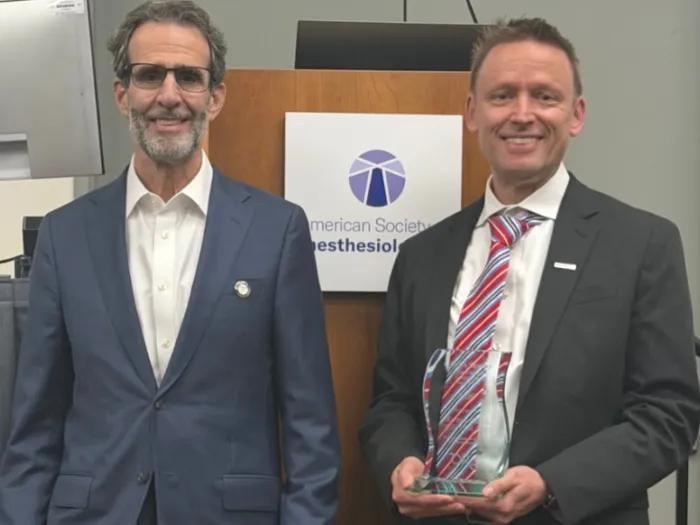
Karsten Bartels, MD, earns Gladys Sessler Outcomes Research Consortium Award

Into the Current: Dr. Nate Hunt Brings Specialized Water Rescue Expertise Back to Michigan Medicine
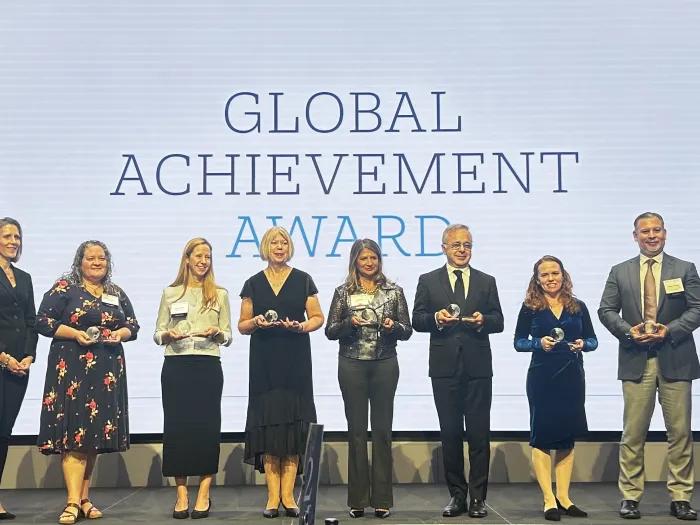
Dr. Elafros Receives Global Achievement Award
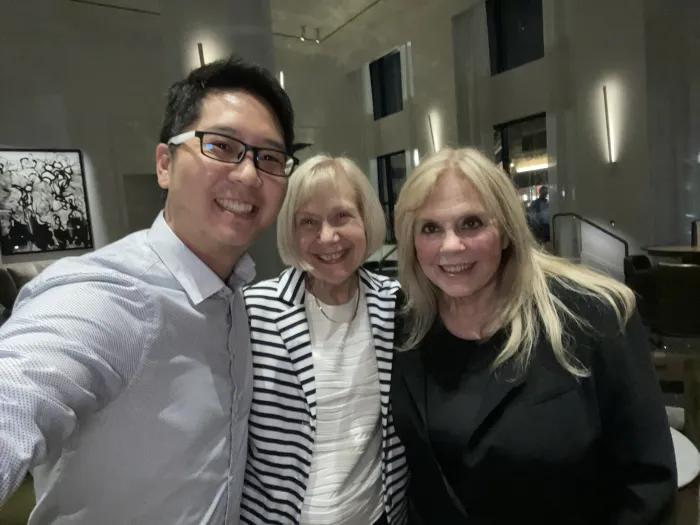
Dr. Kevin Chen Named Charlene Handelman Emerging Scholar
What Should We Actually Do With Daylight Saving Time?