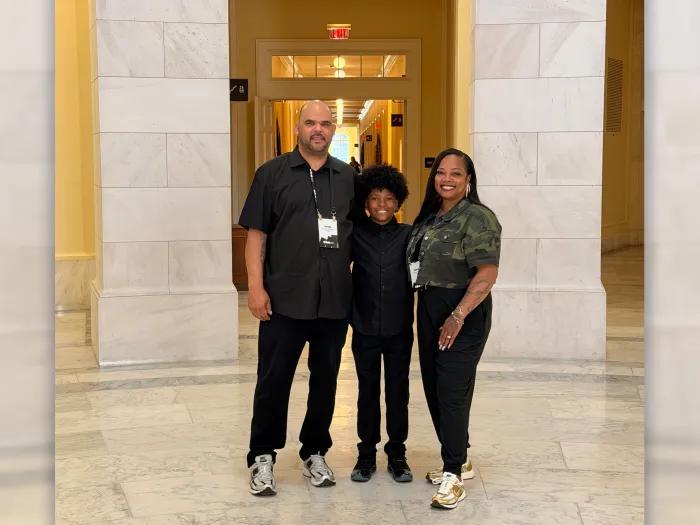
Paul Jenkins, Ph.D., awarded NARSAD Young Investigator Grant by the Brain & Behavior Research Foundation
NARSAD Young Investigator Grants cover a broad spectrum of mental illnesses and serve as catalysts for additional funding, providing researchers with “proof of concept” for their work.
Paul Jenkins, Ph.D., Assistant Professor of Pharmacology and Assistant Professor of Psychiatry in the University of Michigan Medical School, and a member of the Heinz C. Prechter Bipolar Research Program, has been awarded a 2019 NARSAD Young Investigator Grant by the Brain & Behavior Research Foundation (BBRF), the largest private funder of mental health research grants. The two-year grant project period will be January 15, 2020 - January 14, 2022.
“BBRF Young Investigator grants have led to groundbreaking research that has improved the lives of people living with mental illness. These early career scientists are making significant strides in basic research, early intervention and diagnostic tools, new technologies, and next generation therapies that will offer the best hope for change and advances in treatments for brain and behavior disorders,” says Herbert Pardes, M.D., President of the BBRF Scientific Council and Executive Vice Chairman of the Board of Trustees.
Dr. Jenkins has identified a variant of the ANK3 gene that causes a striking loss of forebrain inhibitory synapses. His team is now examining the cellular, electrophysiological, and behavioral manifestations in mice to understand how ANK3 mutations may contribute to symptoms of bipolar disorder. The development of personalized care for patients carrying unique mutations that contribute to disease necessitates a detailed understanding of the molecular underpinnings and a comprehensive examination of the genetic architecture of these diseases such as will be undertaken in this project.
“BBRF Young Investigators represent a new generation of researchers who will pioneer breakthroughs in mental health research. We are excited to be able to support the work of these young scientists, who will apply powerful new technologies and insights to understanding, treating, and curing mental illness,” says Jeffrey Borenstein, M.D., President & CEO of the Brain & Behavior Research Foundation.
About NARSAD Young Investigator Grants
Young Investigator Grants provide each scientist with up to $35,000 per year for two years totaling $70,000 to enable promising investigators to either extend research fellowship training or begin careers as independent research faculty. The goal of the YI program is to help researchers launch careers in neuroscience and psychiatry and gather pilot data to apply for larger federal and university grants. Since 1987, more than $243 million have been awarded in Young Investigator Grants around the world.
In This Story

Paul M Jenkins
Associate Professor
Featured News & Stories
Research may help better predict outcomes in kids with congenital cytomegalovirus
A link between e-cigarettes and oral cancer
Celebrating the Anesthesiology Residency Class of 2026
LGBTQ+ Aging in America

MyVoice poll finds youth have mixed perceptions of oral nicotine pouches