Targeting Metabolism in APS and Lupus
APS and lupus are autoimmune diseases that, for the most part, lack targeted or personalized approaches to therapy. The medicines used to treat these conditions either predispose to bleeding or have significant immunosuppressive side effects. Furthermore, many patients need lifelong treatment with such medicines.
The Knight Lab has previously shown that a specific type of immune cell called the neutrophil is hyperactive in APS and lupus. This new project will explore how the metabolism of neutrophils is altered in these diseases, with the goal of identifying smarter and more targeted therapies.
Metabolism refers to the process by which the food that one consumes gets broken down into building blocks. Using a variety of pathways, these building blocks get converted into energy. Our cells then use this energy to do their functions. However, certain cells prefer to use specific building blocks to generate energy. In fact, this project is based on preliminary data obtained with the financial support of a generous donor showing that neutrophils in APS are especially adept at using carbohydrates (sugars) to generate energy. This is, in part, what makes neutrophils hyperactive in APS.
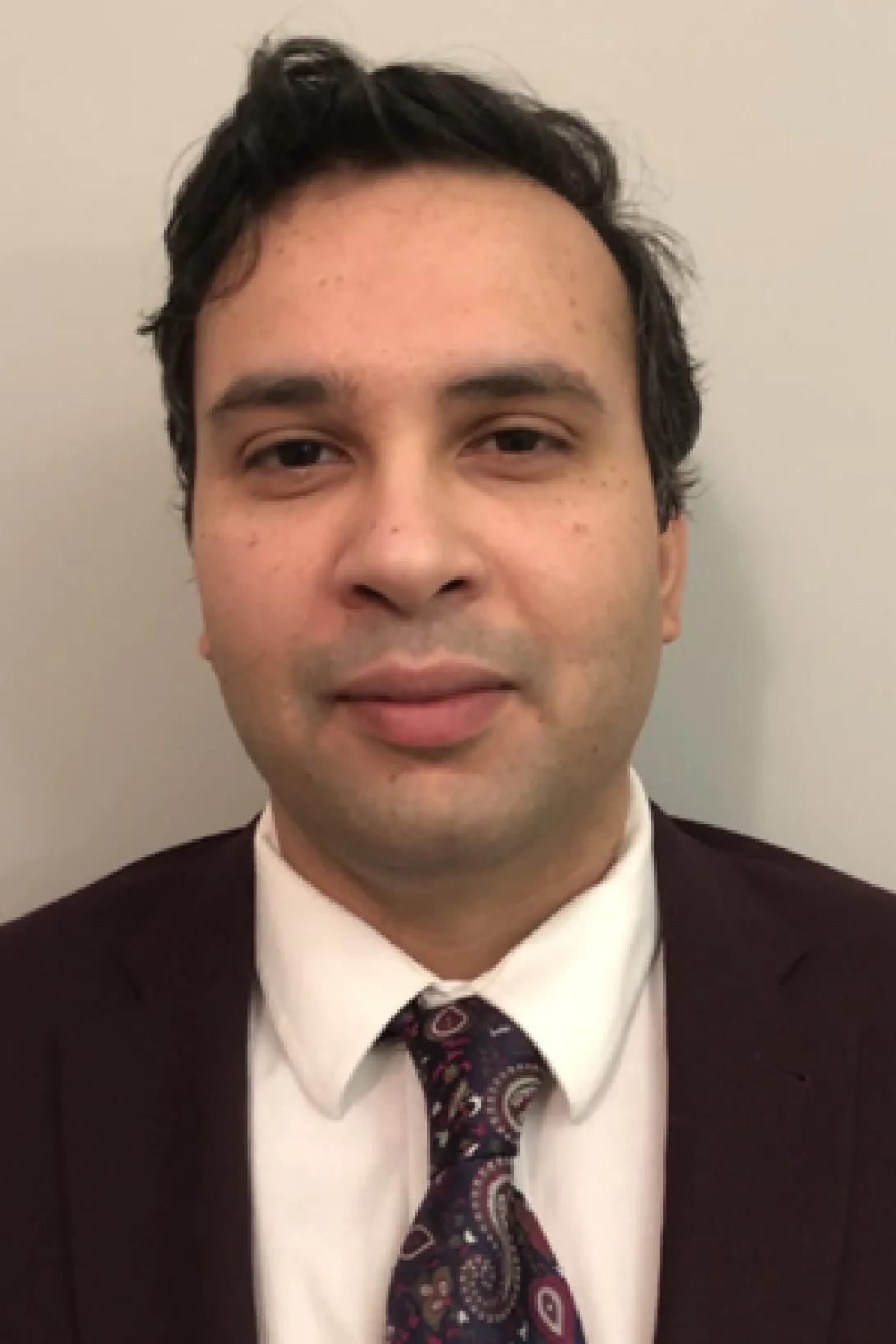
"Going forward, we will use several high-tech approaches to investigate how various metabolic pathways are altered in APS and lupus patients. By identifying key metabolic changes in neutrophils (and potentially other cells), we hope to better tailor the treatment for each individual." - Dr. Ajay Tambralli
Possible approaches to treatment could be the use of key supplements or instituting special diets, both of which would likely have less detrimental toxicities than current traditional therapies.
The long-term goal of this project is to help adults and children lead lives that are free from the consequences of active disease and medication toxicities.
Featured News & Stories
Human Rabies Exposures Growing Across the Country

Continuing the legacy of a doctor’s doctor
Dr. Elafros Receives Global Achievement Award
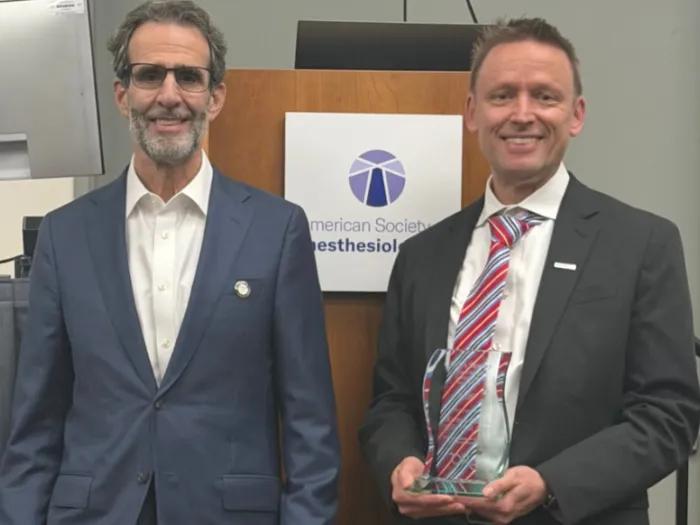
Karsten Bartels, MD, earns Gladys Sessler Outcomes Research Consortium Award

Into the Current: Dr. Nate Hunt Brings Specialized Water Rescue Expertise Back to Michigan Medicine