
Taxifolin Supplements Demonstrate Protective Effects Against Lupus and Antiphospholipid Syndrome
A new first-of-its-kind study found taxifolin supplements have protective effects on thrombo-inflammatory diseases, such as lupus and antiphospholipid syndrome(APS). Taxifolin, which is also known as dihydroquercetin, is a bioactive plant-derived flavonoid that has a wide range of health-supporting, anti-inflammatory and anti-oxidative properties.

Read full article on The Lupus Foundation of America.
Featured News & Stories
Research News
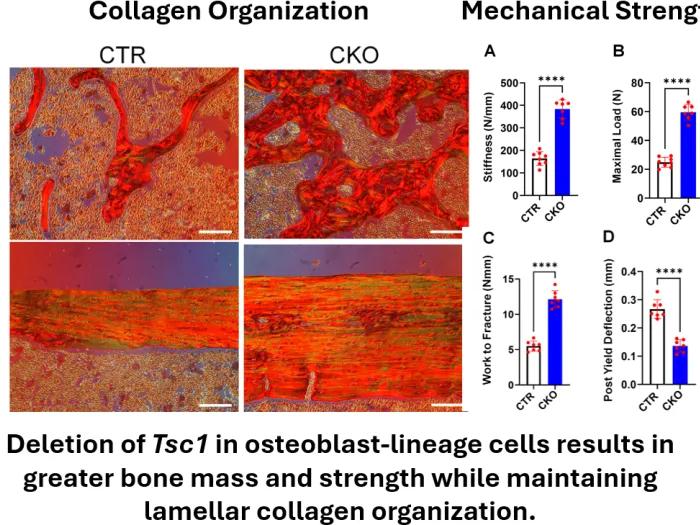
CPOD Faculty Publication Spotlight - Liu Lab
In the February 2026 issue of Bone, the Liu Lab published "Loss of Tsc1 in Osterix-expressing cells leads to greater bone mass and strength in mice."
Department News
U-M Awards Strategic Initiative Fund Grant to Diabetes Reprogramming Initiative Led by Dr. Ganesh Palapattu
Dr. Ganesh Palapattu's Michigan Initiative to Reprogram Cells for Diabetes (MIRC-D) has been selected for funding through the University of Michigan's Strategic Initiative Fund, supporting innovative, multidisciplinary research aimed at transforming diabetes treatment.
Department News
BREATHE-3 study offers lifeline to Michigan patients with severe emphysema
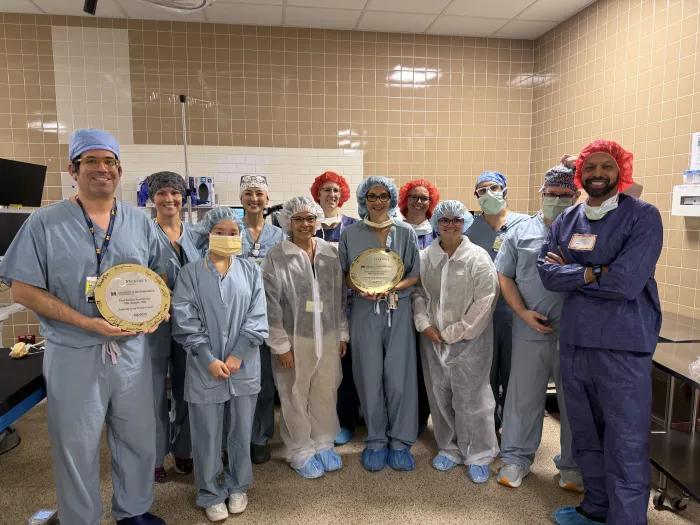
University of Michigan researchers have treated the state's first COPD patient with the investigational Apreo BREATHE Airway Scaffold as part of the BREATHE-3 study. The technology reshapes diseased airways to reduce trapped air, offering a new option for severe emphysema patients who do not qualify for traditional treatments.

Health Lab
Specialized care helps patient navigate rare liposarcoma diagnosis
Specialized care helps a Michigan Medicine patient navigate a rare liposarcoma diagnosis.
Department News
Medical School Honors Three Faculty Members with Endowed Professorships
The University of Michigan Medical School celebrates Dr. Salami, Dr. Kraft and Dr. Gupta on receiving endowed professorships, one of the institution’s highest faculty honors.

Office of Research
Mathew Innes Appointed Director for Clinical Research
The Medical School Office of Research (OoR) is pleased to announce the appointment of Mathew Innes, MBA, as the Director for Clinical Research in the Medical School Office of Research, effective Tuesday, September 1, 2026.
