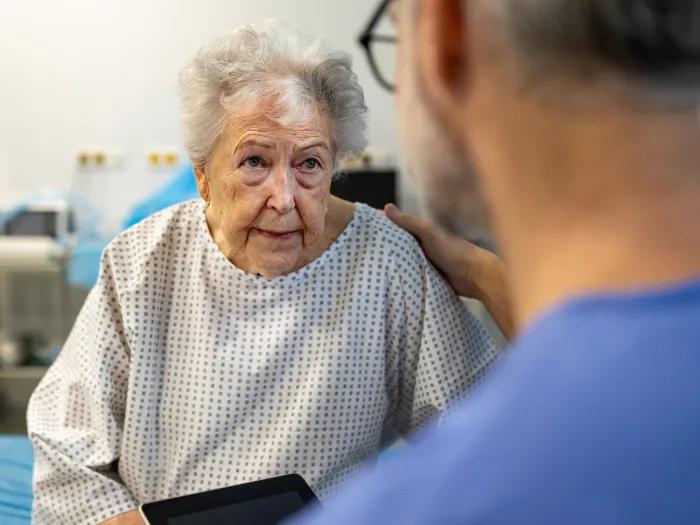
University of Michigan opens brain-computer interface clinic in Ann Arbor
Dr. Matthew Willsey leads one of the country's first clinics of this kind
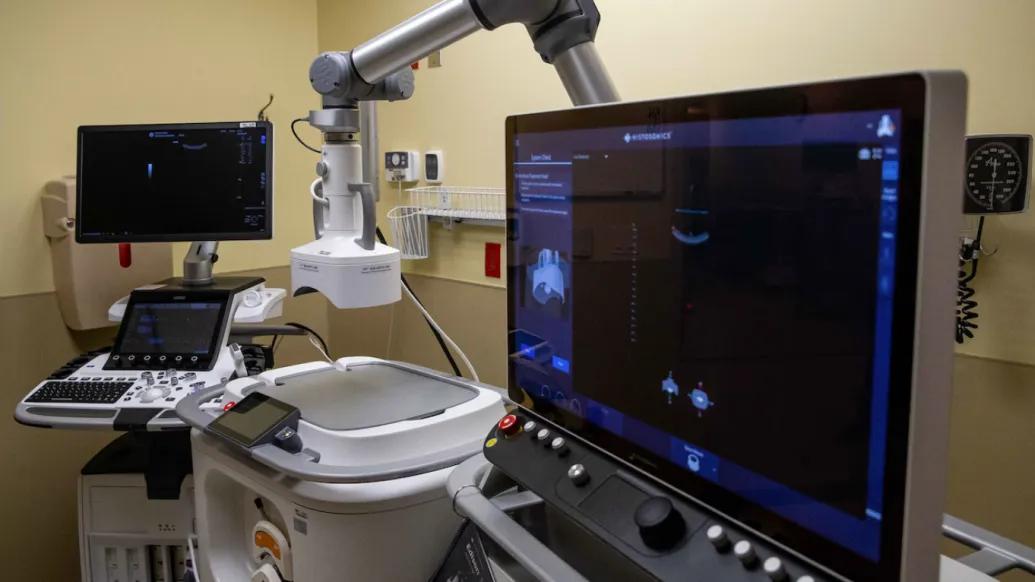
One of the first brain-computer interface clinics in the country has opened in Ann Arbor.
University of Michigan Health opened its clinic to patients with severe motor and speech impairments on Tuesday, Dec. 16, Dr. Matthew Willsey, professor of neurosurgery and biomedical engineer at UM and clinic lead, said.
Willsey said the purpose of the clinic is to bring together a “multidisciplinary set of clinicians” who can cater to patients’ needs, tell them of the technology and their eligible clinical trials and inform them of other centers.
“This technology has developed rapidly, I would say, over the last 20 years through research groups in academia but is also now being commercialized,” Willsey said. “We’re at a point in the field where probably in the next five to 10 years, these devices will be available.”
Brain-computer interfaces decode brain signals and translate them into commands that control devices or restore communication.
The UM clinic is focused on implantable devices that interface with the nervous system, Willsey said.
“At the University of Michigan, we want to be focused on not just for our specific patients but for people in Michigan,” Willsey said. “We want to be focused on bringing people the most up to date clinical trials, the latest technology, so that it can be available to people.”
Once the clinic completes a comprehensive evaluation of a patient, the doctor will inform the patient about implantable devices or clinical trials that they can be a candidate for.
Patients are currently required to have a referral from their primary care physician to make an appointment at the clinic.
“Research into implantable BCIs is accelerating at breakneck speed,” Dr. Aditya Pandey, chair of the neurosurgery department at UM, said in a Dec. 17 press release. “Our teams will ensure that patients will be given as much detail as possible about the potential to receive recently approved neural interfaces, like vagus nerve stimulators, and participate in cutting-edge clinical trials for the newest BCI technology to treat their functional deficits.”
In June, Willsey led the first in-human recording from a new wireless brain-computer interface temporarily implanted during a temporal lobectomy for epilepsy, according to the press release.
Willsey is also a site principal investigator at UM for an upcoming Connect-One clinical study of a device from the neurotechnology company Paradromics Inc. The study gained approval from the U.S. Food and Drug Administration in November, the press release states.
“We’re looking forward to bringing this technology to people in the area so that people here locally have some of the latest options in implantable devices to help either rehab or potentially soon one day restore function through these devices,” Willsey said.
In This Story
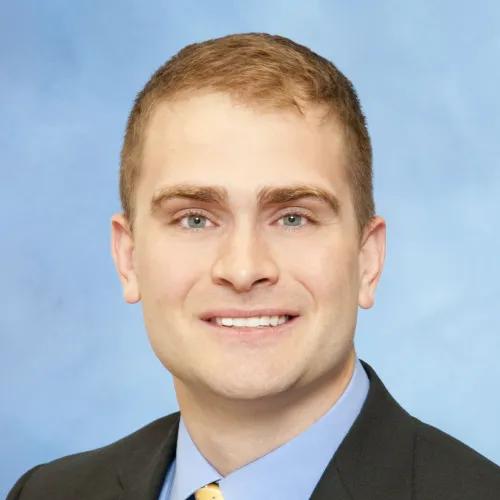
Matthew S Willsey, MD, PhD
Assistant Professor
Featured News & Stories
Engineered nanoparticles sensitize gliomas to radiotherapy

Helping an employee-turned-patient overcome a brain tumor

How a complex, 14-hour surgery saved a woman’s ‘hopeless’ spine

Finally hope after 9 surgeries for tethered cord syndrome

Doctors treat lung cancer patient after cancer metastasized to her brain