Weil Institute leaders consult on new pediatric critical care research center at Northwestern University
Shared expertise inspires new hope for young patients following the opening of the Lurie Children’s Center for Pediatric Acute and Critical Care Research and Innovation.
10:00 AM
Author |
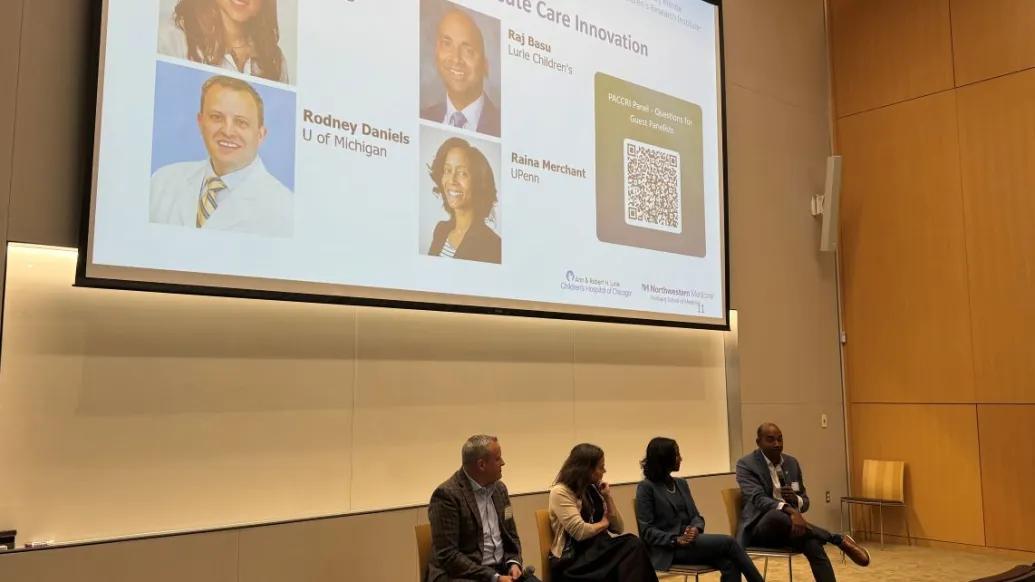
ANN ARBOR – On October 6, the Max Harry Weil Institute for Critical Care Research and Innovation extended a heartfelt congratulations to Stanley Manne Children’s Research Institute at Ann & Robert H. Lurie Children’s Hospital of Chicago and Northwestern University Feinberg School of Medicine on the opening of the Lurie Children’s Center for Pediatric Acute and Critical Care Research and Innovation (PACCRI). Weil Institute leadership provided consultation early in the center’s development, with PACCRI’s co-directors crediting both Weil and its Kahn Pediatric Critical Care Grand Challenge program as sources of insight and inspiration.
A Shared Model for Collaborative Innovation
PACCRI was established with the goal of leveraging multidisciplinary collaboration, real-time data and translational science to advance care for critically ill and injured children. Housed within Manne Research Institute, the center operates as a collaborative regional hub, linking clinicians, scientists, engineers and innovators throughout Lurie Children’s, Northwestern University, and the greater Chicago area.
When talks about developing PACCRI began, Dr. Tom Shanley, President and CEO of Lurie Children’s and a long-time participant on the Weil Institute’s Kahn Grand Challenge Wolverine Den, connected Weil’s executive director Dr. Kevin Ward, Professor of Emergency Medicine and Biomedical Engineering, with PACCRI’s future co-directors at Lurie Children’s—Dr. Todd Florin, Professor of Pediatrics, and Dr. Nelson Sanchez-Pinto, Associate Professor of Pediatrics and Preventive Medicine at Northwestern University Feinberg School of Medicine. “Given my experience with the impactful Kahn Grand Challenge, I felt their leadership team would have valuable perspective to share with our own leadership team,” shared Dr. Shanley.
“Dr. Ward was very helpful in giving us an initial lay of the land in terms of how the Weil Institute was developed, and he shared strategies to help us get our pediatric-specific center of the ground,” said Dr. Sanchez-Pinto.
Dr. Ward then connected the PACCRI team with Dr. Rodney Daniels, Scientific Director of Weil’s Kahn Grand Challenge and Associate Professor of Pediatric Critical Care Medicine and Biomedical Engineering, to advise on what would become the PACCRI Spark Challenges—an annual competition that awards two $100,000 research grants to multidisciplinary projects that have high potential for future funding, with the expectation that the supported projects will also leverage PACCRI’s resources and infrastructure.
“PACCRI and the Spark Challenges bring together the vision of Weil and the Kahn Grand Challenge with the leading pediatric acute care expertise at Northwestern and Lurie Children’s. This kind of collaboration is exactly what we need to drive meaningful advances that we can rapidly translate into better treatments and brighter futures for kids,” said Dr. Daniels.

PACCRI and the Spark Challenges bring together the vision of Weil and the Kahn Grand Challenge with the leading pediatric acute care expertise at Northwestern and Lurie Children’s. This kind of collaboration is exactly what we need to drive meaningful advances that we can rapidly translate into better treatments and brighter futures for kids.
Rodney Daniels, MD, FAAP
Scientific Director, Kahn Pediatric Critical Care Grand Challenge
Associate Director, Weil Institute
Associate Professor, Pediatric Critical Care Medicine and Biomedical Engineering
Michigan Medicine
Beyond Silos, Beyond States
In reflecting on the partnership between PACCRI and the Weil Institute, Dr. Ward spoke to the potential of such collaborations in breaking traditional barriers in medical innovation.
“By sharing expertise, resources and perspectives, these collaborations help accelerate the development of new technologies while ensuring that advances are tailored to meet urgent clinical needs,” said Dr. Ward. “The more centers that are doing this, the better. Collective expertise, collective volume of work done, and collective volume of output are among the best ways to overcome some of the challenges that face us in this type of research and in this field.”
Dr. Florin echoed the benefits of the PACCRI and Weil models on improving access to research funding. “The National Institutes of Health has largely organ- or condition-based institutes, but despite its importance, there is no NIH research home for emergency and critical care. Having multiple centers coordinate and collaborate like this is an organized way of generating diverse funding and advocating for emergency and critical care research at the local and federal levels.”
“Medicine has traditionally been very slow at incorporating new technologies,” said Dr. Sanchez-Pinto. “The people who are at the leading edge of these new technologies are also not always connected to the clinical problems that could use them.” Dr. Sanchez-Pinto noted that, because of this disconnect, many new technologies continue to be developed for other use cases with their potential applications in medicine only being realized years later. “Now, with PACCRI,” he said, “we have an opportunity to co-develop new tech for pediatric acute care.”
The opening of PACCRI was officially marked with a kickoff symposium on October 6. The event featured an expert panel discussion on innovation in pediatric critical care, with Dr. Daniels serving as one of the invited guest speakers. Other highlights of the symposium included a working group focused on building PACCRI’s strategic priorities as well as lightning talks from physicists, engineers, and physicians in pediatric critical care and emergency medicine emphasizing potential focus areas for collaborations.
According to Dr. Florin, some of these new collaborations are already in progress.
“A lot of new people met each other for the first time. They are excited and are talking about how their work intersects and how they might work together, which was ultimately the goal [of the symposium.] It also sparked some invitations for Nelson and me to head up to the Northwestern’s campus in Evanston, Illinois, to talk about PACCRI’s potential with the life sciences, engineering and computer science faculty who are doing work that could really benefit pediatric acute and critical care.”
Dr. Shanley, in his opening remarks at the symposium, further underscored the collaborative aspect of PACCRI’s mission and its potential for profound impact on young patients. “Every year, 30 million children seek acute care in emergency departments across the United States, with nearly 500,000 requiring intensive care. These are among the most vulnerable moments in a child’s life and demand care that is precise, timely, patient- and family-centered, and grounded in the best available evidence. PACCRI is here to bridge clinical excellence with research and innovation. It is more than a center—it’s a hub where experts come together to advance the science of saving lives, which is what Lurie Children's is all about.”
About Lurie Children’s Center for Pediatric Acute and Critical Care Research and Innovation
The Center for Pediatric Acute and Critical Care Research and Innovation (PACCRI) was founded in 2025 to spark collaboration between clinicians, scientists, engineers, and innovators in the pediatric acute and critical care space. PACCRI is housed within Stanley Manne Children’s Research Institute, which is focused on improving child health, transforming pediatric medicine, and ensuring healthier futures through the relentless pursuit of knowledge. Manne Research Institute is the research enterprise for Ann & Robert H. Lurie Children’s Hospital of Chicago, a nonprofit organization committed to providing access to exceptional care for every child. Lurie Children’s is also the pediatric training ground for Northwestern University Feinberg School of Medicine. It is ranked as one of the nation’s top children’s hospitals by U.S. News & World Report.
About the Weil Institute
The team at the Max Harry Weil Institute for Critical Care Research and Innovation is dedicated to pushing the leading edge of research to develop new technologies and novel therapies for the most critically ill and injured patients. Through a unique formula of innovation, integration and entrepreneurship that was first imagined by Weil, their multi-disciplinary teams of health providers, basic scientists, engineers, data scientists, commercialization coaches, donors and industry partners are taking a boundless approach to re-imagining every aspect of critical care medicine. For more information, visit weilinstitute.med.umich.edu.
In This Story
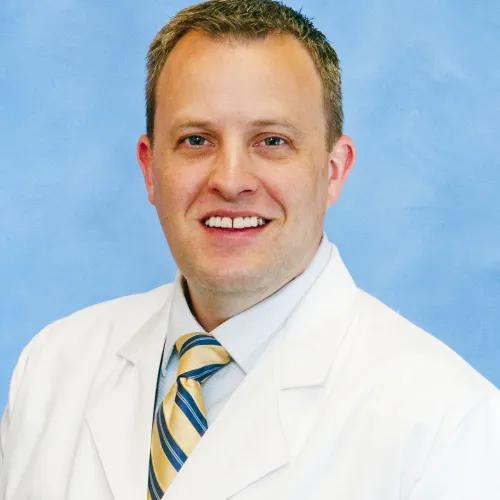
Rodney C Daniels, MD, FAAP
Clinical Associate Professor
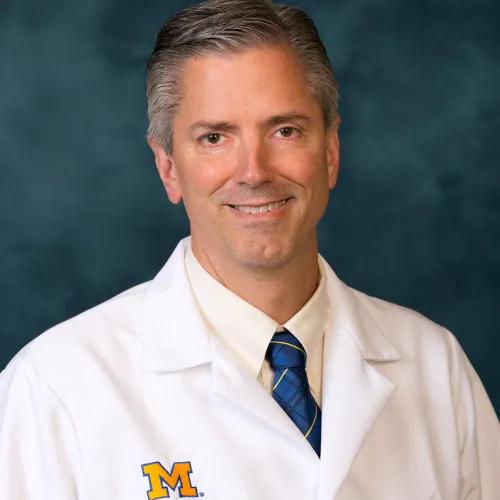
Kevin Ward, MD
Professor
Related
Announcing the 2025 Kahn and Massey Grand Challenge funded teams
Featured News & Stories

The 2026 Kahn Grand Challenge begins on February 11!

Collaboration with community child care centers creates innovative research tool

U-M Emergency Medicine Helps Bring Pre-Hospital Blood Transfusions to Genesee County EMS
Honoring the Heart of Care: Nurse Well-Being in Action
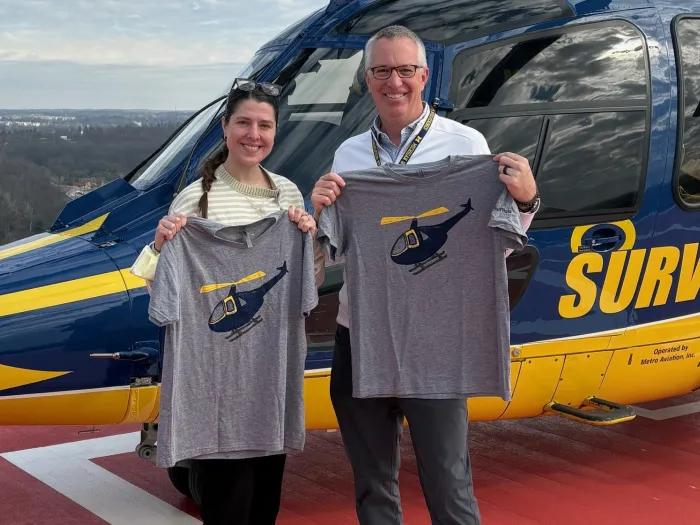
From Patient Art to Lifesaving Impact