Weil Institute member lands $2.8 million grant to explore infrared light-based neuroprotective therapy
Supported by NINDS, U-M investigators study the potential of infrared light to restore mitochondrial function and mitigate secondary brain injury.
Author |
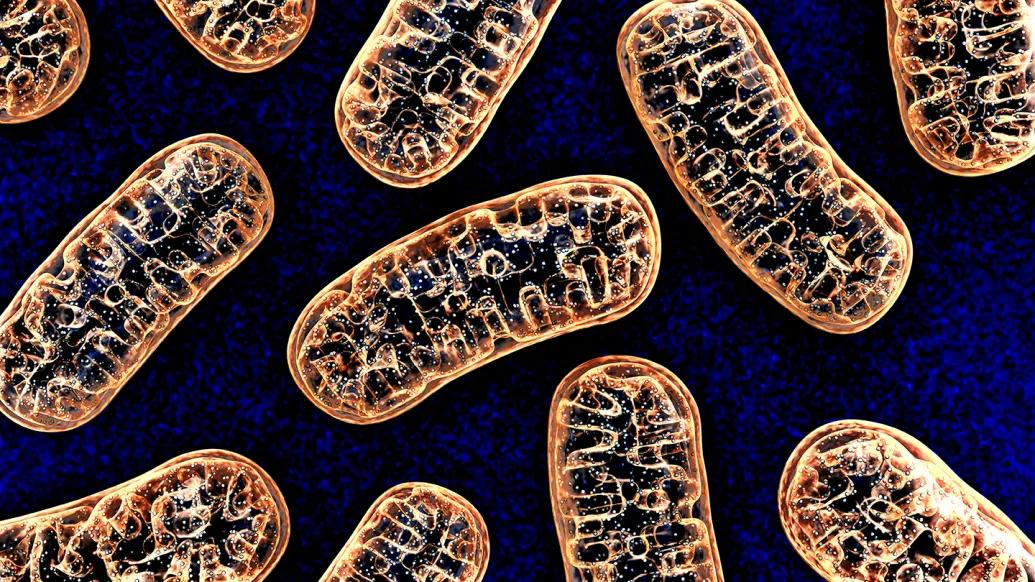
ANN ARBOR - Dr. Joseph Wider, Research Assistant Professor of Emergency Medicine and a member of the Max Harry Weil Institute for Critical Care Research and Innovation, has received a 5-year, $2.8 million grant from the National Institute of Neurological Disorders and Stroke (NINDS) to support further development of “LUCID,” a novel infrared light-based therapeutic that noninvasively provides neuroprotection in the setting of traumatic brain injury (TBI).
Developed by Dr. Wider and fellow Weil member Dr. Thomas Sanderson, LUCID delivers unique wavelengths of infrared light into the brain to prevent mitochondria dysfunction, which has been found to be a significant factor in the progression of secondary brain injury. Drs. Wider and Sanderson will utilize the NINDS funding to study in a mouse model of TBI how the neuroprotective mechanisms of LUCID affect not just neuronal mitochondria, but also the mitochondria within the primary cells that constitute the neurovascular unit.
“While we’re trying to protect neurons, there are a bunch of other cell types that also contribute to proper brain function such as astrocytes, microglia, oligodendrocytes and endothelial cells,” said Dr. Wider. “What we want to understand through this study is whether there is mitochondrial dysfunction in these cell types that is driving neuronal injury in TBI and whether LUCID protects these other cell types.”
Dr. Sanderson, co-investigator on the grant and Associate Professor of Emergency Medicine and Molecular and Integrative Physiology, noted that the insights gained from this work will provide the team with crucial information on how to best use LUCID clinically.
“This study will show us when we should apply the device and what kinds of doses to administer,” said Dr. Sanderson. “We’re going to use these discoveries to further optimize LUCID’s therapeutic effect in the clinic with the goal of, ultimately, paving the way to improving neurologic outcomes in TBI.”
Building Upon a Foundation of Success
The team’s successful NINDS grant was built upon a foundation of support received through the Weil Institute’s Massey TBI Grand Challenge program. The Grand Challenge funded LUCID’s early stages of development and, in collaboration with Weil’s Preclinical Critical Care Laboratory, enabled the team to build the large animal model of TBI that continues to inform their work. Support from Weil and the Massey Family Foundation has also helped the investigators secure various forms of follow-on federal funding, including a $1.5 million Department of Defense (DoD) award in 2022 and a $1.2 million equipment grant through the DoD’s Defense University Research Instrumentation Program (DURIP) in 2023.
Dr. Frederick Korley, Professor and Associate Chair of Research in the Department of Emergency Medicine and Scientific Director of the Massey Grand Challenge, shared in the team’s excitement.
“These are challenging times for research funding. Getting this type of excellent news means there is still hope for everyone, including early-career faculty!” said Dr. Korley. “I am excited for Joe, and a heartfelt congratulations to everyone involved in this success story!”
Project Team
Joseph Wider, PhD (PI, Weil Institute, Emergency Medicine); Thomas Sanderson (CO-I, Weil Institute, Emergency Medicine, Molecular & Integrative Physiology)
About the Weil Institute
The team at the Max Harry Weil Institute for Critical Care Research and Innovation is dedicated to pushing the leading edge of research to develop new technologies and novel therapies for the most critically ill and injured patients. Through a unique formula of innovation, integration and entrepreneurship that was first imagined by Weil, their multi-disciplinary teams of health providers, basic scientists, engineers, data scientists, commercialization coaches, donors and industry partners are taking a boundless approach to re-imagining every aspect of critical care medicine. For more information, visit weilinstitute.med.umich.edu.
In This Story
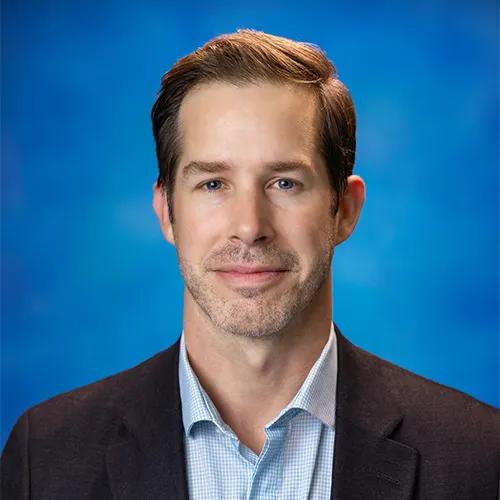
Joseph Wider, PhD
Assistant Professor
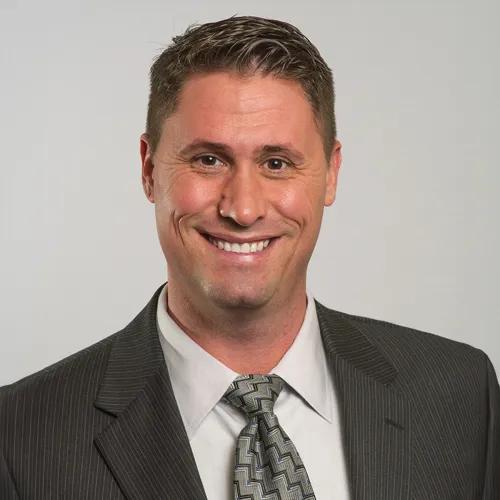
Thomas Sanderson, PhD
Professor

Frederick Korley, MD, PhD
Professor
Featured News & Stories
The Weil Institute and the University of Utah: Reimagining a Grand Challenge
Weil research teams land major Department of Defense grants to reshape brain injury care

Into the Current: Dr. Nate Hunt Brings Specialized Water Rescue Expertise Back to Michigan Medicine

Emergency room intervention pairs smartphone, telehealth counseling to reduce risky firearm behavior
Meet Our New Emergency Medicine Fellows and Faculty